Overview
That's why more restaurant owners are using digital tools to help manage food safety. These tools can track temperatures, remind staff to complete cleaning tasks, and store important records automatically. They make it easier to follow the rules and catch problems before they get serious.
In this article, we'll look at the different types of digital tools that can help your restaurant stay on top of food safety. From temperature monitoring systems to task reminders and digital labels, we'll explain how each one works and why it matters. Whether you're just getting started or looking to improve your current setup, these tools can make food safety easier and more reliable for you and your team.
The Importance of Food Safety Compliance in Restaurants
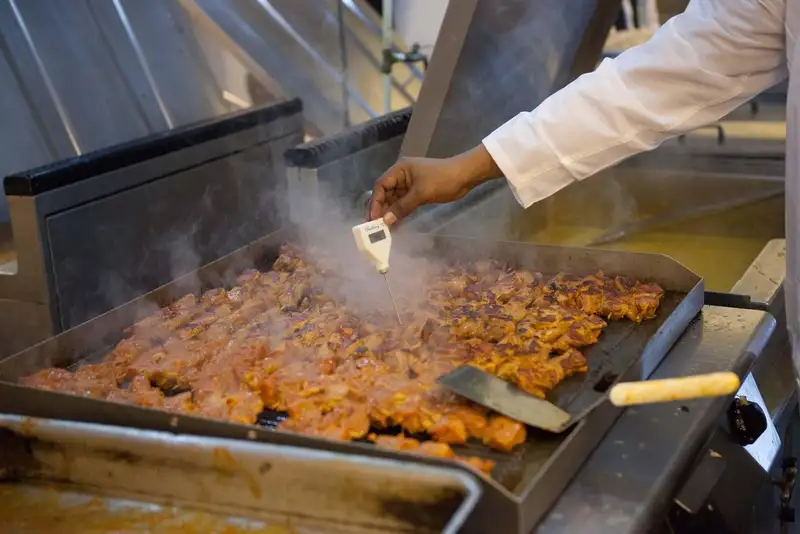
For restaurant owners, staying compliant means keeping food at the right temperature, cleaning surfaces regularly, avoiding cross-contamination, and training staff on safe food handling. These rules can be tough to keep track of, especially during busy shifts. That's why having a reliable system in place is so important.
Many restaurants still rely on pen-and-paper checklists, but this approach can be risky. It's easy for staff to forget to write things down or mark something as done when it wasn't. Over time, these small mistakes can add up.
Digital tools help make food safety tasks more reliable and consistent. They can remind your team to complete tasks, keep track of who did what and when, and store everything in one place. This not only helps with daily operations, but also makes it easier to show proof of compliance if there's ever a question from health inspectors.
Elevate Food Safety, Simplify Compliance!
Experience Seamless Food Safety with Altametrics!
Digital Temperature Monitoring Systems
Digital temperature monitoring systems help solve this problem. These systems use wireless sensors that are placed inside refrigerators, freezers, and other storage areas. The sensors take readings around the clock and automatically send the temperature data to a digital dashboard. If the temperature goes out of the safe range, the system sends an alert right away - by text, email, or app notification - so staff can fix the issue quickly.
This kind of constant monitoring makes it much easier to protect food from spoiling. It also helps avoid health code violations and cuts down on food waste. Plus, all the temperature data is stored digitally, so it's easy to review, share with health inspectors, or use during internal audits.
For restaurant owners, using a digital temperature monitoring system means one less thing to worry about. It keeps food safer, improves accuracy, and gives you peace of mind knowing that your food temperature is always being tracked - even when you're not in the kitchen.
Automated Food Safety Logs
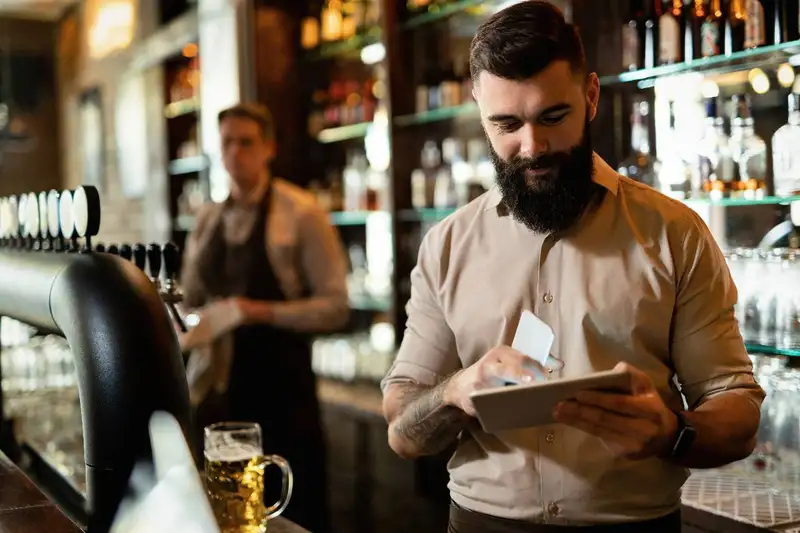
Automated food safety logs take away the guesswork. With digital systems, logs can be built right into tablets or phones that your team uses during their shift. These systems let you create custom checklists and reminders for each task. For example, you can set up a log that reminds staff to clean cutting boards every two hours or check sanitizer levels before each shift starts.
When a task is done, staff can mark it complete on the device, and the time and name of the person who did it gets recorded automatically. Some systems even require a photo or digital signature to confirm the task was actually completed. This builds more accountability and helps make sure nothing slips through the cracks.
Because everything is stored in one place, it's easy to pull up logs when health inspectors visit. You won't need to dig through stacks of paper. Instead, you can quickly show them all your completed records. Automated food safety logs help create a cleaner, safer kitchen and make it much easier to stay organized and compliant.
Task Scheduling and Reminders

With digital scheduling tools, you can create daily, weekly, or monthly tasks that repeat automatically. For example, you can schedule reminders for cleaning the fryer every Friday, sanitizing prep tables between shifts, or checking the temperature of cold storage units every morning. Once a task is scheduled, the system sends notifications to assigned team members through a phone app or tablet, reminding them when it's time to act.
This system not only helps your team stay on track but also holds them accountable. When a task is marked complete, the system logs the time and the person who finished it. This creates a clear record of who did what and when, which is helpful for internal reviews and health inspections.
Digital reminders also reduce the need for managers to constantly follow up with staff or worry about missed steps. Everything is laid out clearly, and staff members know exactly what's expected of them throughout their shift.
By using task scheduling and digital reminders, restaurant owners can keep food safety routines consistent, reduce human error, and make sure critical jobs are never forgotten - even on the busiest days.
Create, Implement, and Execute Multiple Daily Checklists
Streamline Your Operations with Altametrics
Digital Labeling and Expiration Tracking
Digital labeling systems make it easy to print clear, accurate labels for food containers. These labels can include the item name, prep date, expiration date, and even staff initials. The best part is that this information is pulled directly from your prep schedule or inventory system, so it's always consistent. Staff simply select the item on a screen, and a label prints in seconds - no guessing or writing required.
By using digital labels, you reduce the risk of confusion over when something was made or how long it's good for. This helps prevent the use of expired ingredients, improves rotation, and supports first-in, first-out (FIFO) practices. It also cuts down on food waste, since items are more likely to be used in time.
Some systems even alert you when products are nearing expiration, giving you the chance to use or discard them before they become a safety concern. This helps protect your customers and keeps your kitchen in line with health code requirements.
For restaurant owners, digital labeling is a simple but powerful upgrade. It saves time, improves accuracy, and makes food safety easier to manage with less stress.
Compliance Reporting and Audit Preparation
These tools collect and store information from your daily safety tasks - like temperature logs, cleaning checklists, and labeling - and put them into easy-to-read reports. Instead of searching through paper logs or trying to remember who completed a task, you can pull up detailed records in just a few clicks. This helps prove that your team is following food safety rules consistently.
Data reporting is another major benefit of digital tools. You can see trends over time, such as how often certain tasks are missed or whether equipment temperatures are staying within the safe range. This information helps you spot problems early and fix them before they lead to bigger issues or violations. You can also use these reports to train your team, improve routines, or get ready for an upcoming audit.
Having organized reports also makes your restaurant look more professional and responsible to inspectors. It shows that you take food safety seriously and have systems in place to back it up. Even if everything in your kitchen is spotless, missing paperwork can still result in a lower score.
Digital compliance tools take the pressure off your team and give you the confidence that you're ready - any day, any time.
Summary
Digital tools make food safety easier to manage, more reliable, and more consistent. From automated temperature tracking to digital checklists, reminders, labeling systems, and clear data reporting, these tools take the pressure off your staff while helping you stay on top of all food safety requirements. They also create a digital trail you can refer to at any time, especially during inspections or audits.
You don't have to make all the changes at once. Start by identifying the areas where your restaurant struggles the most - whether it's keeping accurate temperature logs, remembering cleaning schedules, or managing expiration dates. Then, choose a digital tool that solves that one problem. Once your team gets used to it, you can expand and add more tools as needed.
The goal is to create a safer, more organized kitchen that runs smoothly and keeps your food safety standards high every day. By using digital solutions, you're not just staying compliant - you're building a system that supports your staff and protects your business in the long run.
Empower Your Workforce!
Ensure Compliance with Altametrics!
Frequently
Asked Questions
Why should I switch from paper logs to digital tools for food safety?
What are automated food safety logs?
What is data reporting in food safety tools?
How do digital tools help with shift changes and handovers?
Must-Read Content
How AI Is Transforming Multi-Unit Restaurant Management
AI helps multi-unit restaurant operators forecast demand, optimize labor, detect anomalies, ensure consistency, refine menus and pricing, and adopt tools gradually, freeing managers to focus on hospitality.

Restaurant ERP Explained - What It Is, How It Works, and Its Benefits
Restaurant ERP connects essential operations, improves cost control, centralizes business information, streamlines workflows, and helps owners make informed management decisions.
10 Benefits of All-in-One Restaurant Management Software
All-in-one restaurant management software streamlines operations, improves communication, reduces administrative work, controls costs, strengthens workforce management, and supports informed business decisions.