Overview
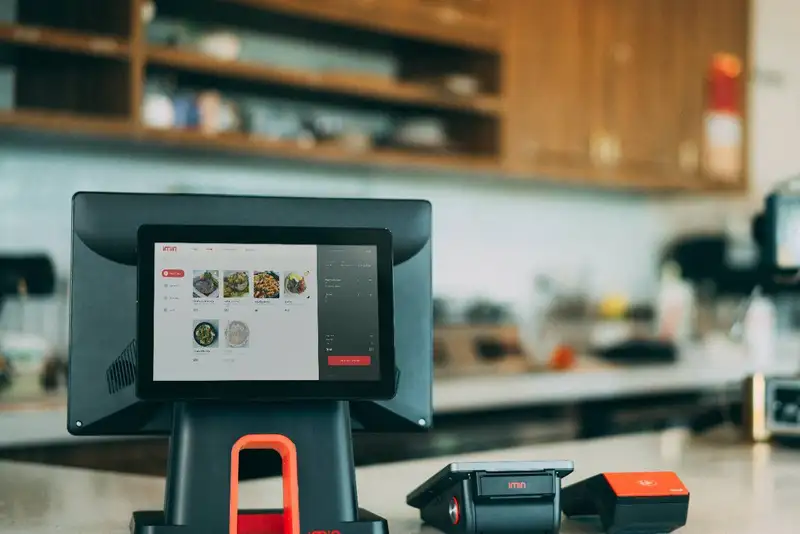
But with so many options out there, how do you know which POS is best? The key is to look for features that make daily tasks simpler and help you manage your restaurant better. A good POS should handle order management, payment processing, table management, inventory tracking, and reporting. These features help you keep track of what's selling, what needs to be restocked, and how well your restaurant is doing.
In this article, we'll go over five must-have features to look for in a restaurant POS. Understanding these features will help you choose the right system that fits your restaurant's needs. Whether you run a small cafe or a busy full-service restaurant, having the right POS can make your job easier and improve your business.
Order Management
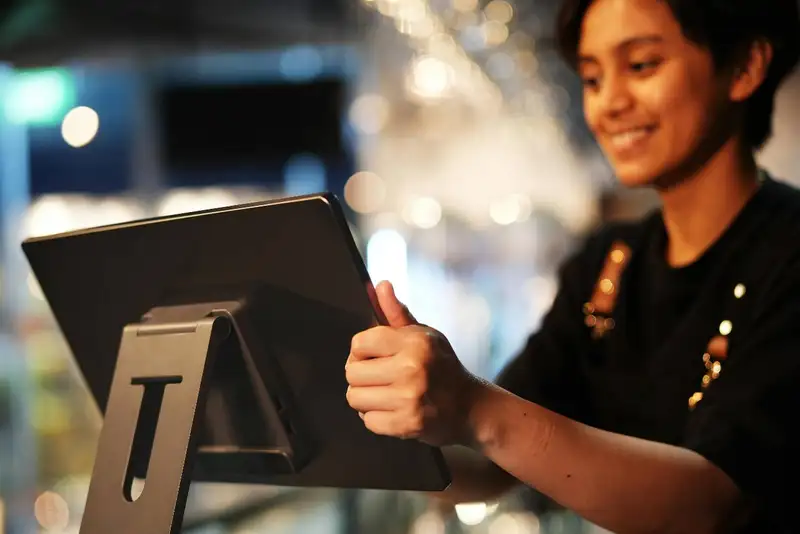
A good POS system allows staff to enter orders directly into a touchscreen or tablet, which then sends them to the kitchen instantly. This eliminates the need for handwritten notes or verbal communication that can lead to mistakes. Some POS systems even allow for customized orders, where customers can make changes or add special requests, making it easier to accommodate dietary needs or preferences.
Another helpful feature is real-time order tracking. A POS system that updates the status of each order lets staff know exactly when food is being prepared, when it's ready for pickup, and when it has been served. This helps prevent delays and improves communication between front-of-house and kitchen staff.
For restaurants that offer online ordering or self-service kiosks, a POS should seamlessly integrate these channels. This ensures all orders - whether placed in person, online, or through a third-party app - are handled efficiently without confusion.
With a strong order management system, restaurants can serve more customers in less time, reduce wait times, and avoid order mix-ups. This not only improves customer satisfaction but also increases sales by keeping service quick and efficient.
Simplify Multi-Channel Ordering
Get started with Altametrics to streamline your POS!
Payment Processing
A good POS system should support multiple payment methods, including credit and debit cards, mobile wallets like Apple Pay and Google Pay, and even contactless payments. Customers expect convenience, and offering flexible payment options ensures a smoother checkout process. Whether they are dining in, ordering takeout, or paying at a self-service kiosk, a POS with strong payment processing capabilities makes transactions quick and easy.
Security is also a major concern. A restaurant POS should have built-in security features like encryption and fraud protection to keep customer data safe. With rising cases of credit card fraud, it's important to have a system that meets industry security standards to protect both the business and its customers.
Another key benefit of a strong payment system is faster transactions. A POS that processes payments quickly helps reduce wait times, keeps lines moving, and improves the overall dining experience. For fast-paced restaurants or coffee shops, this can make a huge difference in customer satisfaction.
In the end, a restaurant's payment system should be as efficient as its service. The right POS will ensure transactions are smooth, secure, and flexible, making it easier to serve more customers and maximize sales.
Table Management
A good table management system gives restaurant staff a clear view of the dining area. It shows which tables are occupied, which ones are available, and which are about to be cleared. This helps hosts seat guests faster and prevents unnecessary delays. Some POS systems even allow for table reservations, ensuring that guests who book ahead get seated without confusion.
Another key benefit is order tracking by table. When servers take orders, they can enter them directly into the POS system, linking each order to the correct table. This prevents mix-ups and ensures that food and drinks go to the right customers. If guests want to split the bill, a good POS system makes it easy to divide checks accurately without confusion.
For restaurants with high customer turnover, such as casual dining spots, table status updates help improve efficiency. Staff can see which tables need to be cleaned, reducing wait times for incoming guests.
With strong table management, restaurants can serve more customers efficiently, keep orders accurate, and create a smoother dining experience. It's an essential feature for any restaurant looking to improve service and maximize seating capacity.
Inventory Tracking
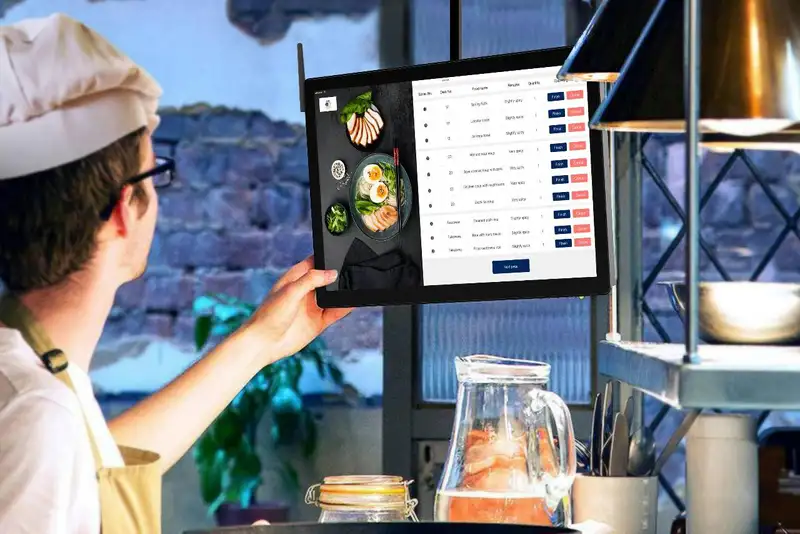
A good inventory management system tracks every item used in the kitchen. When an order is placed, the system automatically updates stock levels to reflect the ingredients used. This ensures that restaurant owners and managers always have a clear idea of what's in stock and when it's time to reorder. Some advanced POS systems even allow for automated restocking, alerting suppliers when certain ingredients run low.
One of the biggest benefits of real-time inventory tracking is waste reduction. By keeping accurate records, restaurants can prevent over-ordering, minimize spoilage, and cut unnecessary costs. This not only saves money but also supports sustainable business practices by reducing food waste.
Additionally, inventory tracking helps with menu planning. By analyzing which items sell the most and which ingredients are frequently wasted, restaurant owners can adjust portion sizes, modify menu offerings, and create specials to use up excess inventory.
With strong inventory management, restaurants can maintain better control over their supplies, reduce operational costs, and ensure they never run out of key ingredients. A POS system with this feature helps businesses run smoother and more profitably.
Streamline Operations
Control Menus, Items, and Prices Seamlessly with Altametrics
Reporting and Analytics
One of the biggest advantages of reporting tools in a POS system is the ability to track sales data in real time. Restaurant owners can see which menu items are selling the most, what times of the day are the busiest, and how different promotions are performing. This information helps with menu planning, ensuring that high-demand items are always available while minimizing waste on slower-moving dishes.
Another important aspect of analytics is staff performance tracking. A good POS system records employee sales, helping managers identify top performers and those who may need additional training. It also helps with scheduling by showing when the restaurant is busiest, ensuring that enough staff is on hand during peak hours.
Financial reporting is another key benefit. A POS system can generate profit and loss statements, helping restaurant owners see their revenue, expenses, and overall profitability. By analyzing these numbers, businesses can adjust pricing, cut costs, and improve margins.
With strong reporting and analytics, restaurant owners can make data-driven decisions that help their business grow. Instead of guessing what works, they can use clear, actionable insights to optimize their operations and maximize profits.
User-Friendly Interface and Staff Training
One of the most important aspects of a good restaurant POS is its ease of use. A well-designed system should have an intuitive layout, clear buttons, and simple navigation so that even new employees can learn it in minutes. Features like touchscreen functionality, easy menu modifications, and quick access to common tasks help speed up operations and reduce mistakes.
Fast and effective staff training is also essential. Restaurants often have high employee turnover, and new hires need to get up to speed quickly. A POS system with built-in training tools, such as guided tutorials or on-screen prompts, can make onboarding much smoother. The simpler the system, the less time managers need to spend on training, allowing them to focus on running the restaurant.
Additionally, a user-friendly POS helps reduce order errors and delays. If staff can quickly enter custom orders, split checks with ease, and process payments without confusion, customers will have a better dining experience.
Choosing a POS with a simple and efficient interface can make daily operations smoother, keep employees productive, and improve overall service quality. The easier it is to use, the better it will work for your business.
Summary
The five must-have features in a restaurant POS include order management, payment processing, table management, inventory tracking, and reporting & analytics. These features ensure that orders are handled accurately, payments are processed quickly, tables are managed efficiently, inventory is tracked to prevent waste, and business insights are available to support smart decision-making. Additionally, a user-friendly interface makes it easier for staff to use the system, reducing training time and improving customer service.
Investing in a POS system with these essential features helps restaurants operate more smoothly, enhance the customer experience, and maximize profits. Whether you run a small cafe, a quick-service restaurant, or a full-service dining establishment, having the right POS can make a significant difference in how well your restaurant functions.
By selecting a POS that fits your restaurant's needs, you can create a more efficient, profitable, and customer-friendly dining experience. A well-equipped POS isn't just a tool - it's a valuable asset that helps your business grow.
Centralize Your Menus Today!
Manage Everything In One Place with Altametrics
Frequently
Asked Questions
What are the benefits of a mobile POS system?
How does a POS system help prevent order mistakes?
How does a POS system help with menu management?
How does a restaurant POS improve payment processing?
Must-Read Content
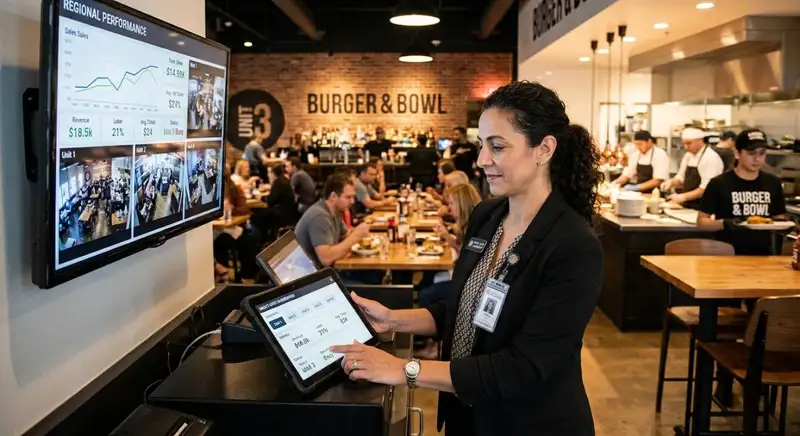
How AI Is Transforming Multi-Unit Restaurant Management
AI helps multi-unit restaurant operators forecast demand, optimize labor, detect anomalies, ensure consistency, refine menus and pricing, and adopt tools gradually, freeing managers to focus on hospitality.

Restaurant ERP Explained - What It Is, How It Works, and Its Benefits
Restaurant ERP connects essential operations, improves cost control, centralizes business information, streamlines workflows, and helps owners make informed management decisions.

10 Benefits of All-in-One Restaurant Management Software
All-in-one restaurant management software streamlines operations, improves communication, reduces administrative work, controls costs, strengthens workforce management, and supports informed business decisions.