What is kitchen lingo?
Kitchen lingo is the shorthand terminology restaurant employees use to communicate quickly during food preparation and service. It includes terms related to orders, cooking, safety, stations, timing, and menu availability.
Kitchen Lingo Every Restaurant Owner Should Know

Overview
Kitchen lingo is the shorthand language restaurant employees use to communicate quickly during preparation and service. In a busy kitchen, there is little time for long explanations, so cooks, chefs, managers, and servers rely on short, widely understood terms to keep orders moving. Words such as "behind," "heard," "fire," "all day," and "86" can communicate important information in just a few seconds.
For restaurant owners, understanding kitchen lingo makes it easier to follow what is happening during a shift. An owner who understands the terminology can better recognize when orders are being delayed, when a menu item is unavailable, or when employees are coordinating multiple tickets at once. This knowledge can also make communication with kitchen managers and staff more effective.
Consistent kitchen terminology can support three important areas -
1. Faster communication - Employees can exchange instructions quickly without lengthy explanations.
2. Better coordination - Shared terminology helps cooks, servers, and managers stay aligned during busy periods.
3. Safer operations - Calls such as "hot," "sharp," "behind," and "corner" warn employees about potential hazards.
Kitchen lingo is especially important during peak periods when employees may be handling dozens of tasks simultaneously. Restaurant owners should make sure commonly used terms are understood across both front-of-house and back-of-house teams. Including these terms in employee onboarding and training can help new hires communicate confidently and adapt to the kitchen environment more quickly.
Order and Ticket Terms
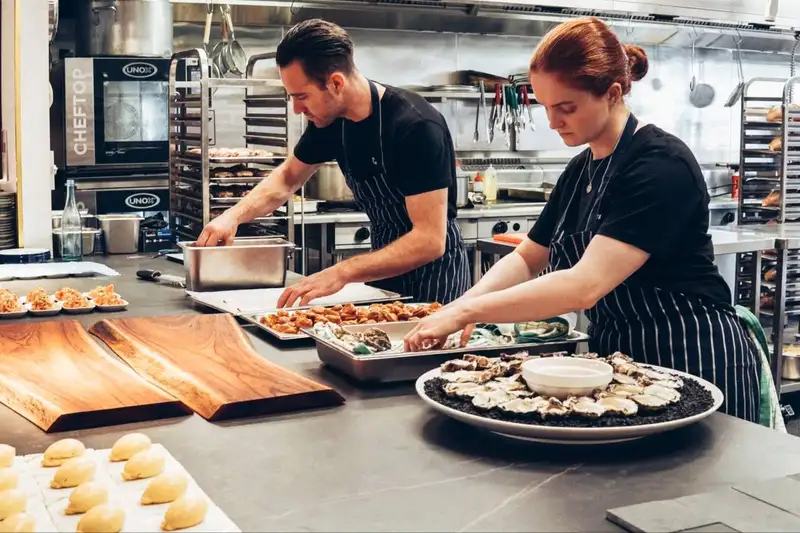
Order and ticket terminology helps kitchen teams coordinate what needs to be prepared, when cooking should begin, and which orders require immediate attention. During a busy service, employees may be working on several tickets at the same time. Using consistent kitchen lingo allows cooks and managers to communicate quickly without stopping to explain every instruction.
Some common order and ticket terms restaurant owners should know include -
1. All day - Refers to the total number of a particular menu item currently needed across multiple tickets. If three tickets each include two burgers, the kitchen may call "six burgers all day."
2. Fire - An instruction to begin cooking a particular dish or course. This helps the kitchen control timing so different parts of an order are ready together.
3. On the fly - Indicates that an item needs to be prepared as quickly as possible, often because it was missed, entered incorrectly, or needs immediate attention.
4. Hold - Means the kitchen should wait before preparing or sending a particular item.
5. Working - Indicates that a cook or station has already started preparing an item.
Understanding these terms gives restaurant owners greater visibility into how orders move through the kitchen. It can also help owners identify communication problems that contribute to long ticket times, duplicate preparation, or missed items.
Owners should encourage employees to use the same terminology consistently. When cooks, servers, expos, and managers interpret order instructions the same way, the kitchen can coordinate tickets more effectively and reduce avoidable confusion during peak service.

Cooking and Preparation Lingo
Cooking and preparation terms are a major part of kitchen lingo because they help employees describe how food should be organized, prepared, and portioned before and during service. Restaurant owners who understand these terms can communicate more effectively with chefs and kitchen managers while gaining a clearer view of how prep work affects consistency, speed, and food costs.
Some common cooking and preparation terms include -
1. Mise en place - A French term meaning "everything in its place." It refers to preparing and organizing ingredients, tools, and equipment before service begins.
2. Prep - The work completed before service, such as chopping vegetables, portioning proteins, preparing sauces, or assembling ingredients.
3. Batch - A specific quantity of food prepared at one time. Batch preparation can help restaurants maintain consistency and manage production during busy periods.
4. Portion - The standard amount of an ingredient or menu item served to a guest. Consistent portions help control food costs and maintain menu consistency.
5. Par - The target quantity of an ingredient or prepared item that should be available to meet expected demand.
6. Yield - The usable amount of food remaining after trimming, cooking, or preparation.
These terms are closely connected to daily kitchen efficiency. For example, poor prep planning can create delays during service, while inconsistent portions can increase food costs. Owners should make sure employees understand preparation standards and use the same terminology when discussing production needs. Clear kitchen lingo helps turn recipes and prep procedures into repeatable processes that employees can follow consistently.
Kitchen Communication Terms
Kitchen communication terms help employees move quickly and safely through a crowded workspace. During busy shifts, cooks, servers, dishwashers, and managers may cross paths constantly while carrying hot pans, sharp tools, or heavy trays. Short verbal calls make it easier to warn coworkers and confirm that instructions have been understood.
Some common kitchen communication terms include -
1. Behind - Used when walking behind another employee so they know someone is passing close by.
2. Corner - Called before moving around a blind corner to warn employees approaching from the other direction.
3. Hot - Warns coworkers that someone is carrying a hot pan, plate, pot, or other item that could cause burns.
4. Sharp - Signals that an employee is carrying a knife or another sharp object through the kitchen.
5. Heard - Confirms that an instruction or request has been received and understood.
6. Coming through - Alerts nearby employees that someone is moving through an area, often while carrying food, equipment, or supplies.
These terms may sound simple, but consistent use can support both safety and efficiency. Restaurant owners should make sure new employees learn these calls during onboarding rather than assuming everyone already understands them.
Clear kitchen lingo also reduces unnecessary repetition. When employees immediately recognize calls such as "behind" or "heard," they can respond without stopping their work. Establishing a shared communication standard helps create a more coordinated kitchen where employees can move confidently and remain aware of what is happening around them.
Restaurant Lingo for Menu Availability

Menu availability can change quickly during a busy shift. An ingredient may run low, a prepared item may sell out, or the kitchen may need to temporarily stop offering a dish. Kitchen lingo helps employees communicate these changes quickly so servers do not continue selling items that are unavailable.
Some common menu availability terms include -
1. 86 - Means that an item is unavailable or should no longer be sold. If the kitchen is out of salmon, a manager might tell the team to "86 the salmon."
2. Low count - Indicates that only a small quantity of an item remains. This gives servers and managers advance warning before the item sells out completely.
3. Sold out - Means the restaurant has no remaining quantity of a particular menu item or ingredient for the current service period.
4. Substitution - Refers to replacing one ingredient or side with another when the original option is unavailable or when a guest requests a change.
Clear communication about menu availability is important because outdated information can lead to canceled orders, longer ticket times, and disappointed guests. Restaurant owners should establish a reliable process for communicating availability changes between the kitchen and front-of-house staff.
When an item becomes unavailable, the kitchen should notify managers and servers immediately. If the restaurant uses a POS or digital ordering system, unavailable items should also be updated there whenever possible. Combining clear kitchen lingo with accurate system updates can help prevent employees from accepting orders the kitchen cannot fulfill.

Kitchen Station and Staff Terminology
Kitchen station and staff terminology helps restaurant owners understand how responsibilities are divided across the back of house. Each station typically handles a specific part of food preparation, and knowing the lingo makes it easier to follow workflow, assign employees, and identify where delays may be occurring during service.
Some common kitchen station and staff terms include -
1. Line - The main cooking area where different stations prepare menu items during service.
2. Expo - Short for expediter. This person coordinates completed dishes, checks orders for accuracy, and helps ensure all items on a ticket are ready before they are sent to guests.
3. Pass - The area where completed dishes are placed before being delivered to the dining room. It often serves as the connection point between the kitchen and front-of-house staff.
4. Garde manger - The station responsible for cold dishes such as salads, appetizers, and certain desserts.
5. Grill station - Handles foods prepared on the grill, including burgers, steaks, chicken, and vegetables.
6. Fry station - Prepares fried foods such as french fries, chicken tenders, and other menu items cooked in a fryer.
7. Prep station - The area where ingredients are washed, chopped, portioned, and prepared before service.
Understanding these terms can help restaurant owners evaluate staffing needs and kitchen organization. If one station regularly becomes overwhelmed during peak hours, managers may need to adjust staffing, prep levels, or workflows.
Clear station responsibilities also reduce confusion. When employees know exactly where each task belongs and who is responsible for it, the kitchen can operate more efficiently and keep orders moving during busy periods.
Understand Timing and Service Lingo
Timing and service terminology helps kitchen teams coordinate when dishes should be started, finished, and sent to guests. In a busy restaurant, even a few minutes of poor coordination can cause one item to sit too long while another is still cooking. Understanding this kitchen lingo helps restaurant owners recognize how teams manage speed and synchronization during service.
Some common timing and service terms include -
1. Pickup - Signals that an order or dish is ready to be collected and delivered to the guest.
2. Window - Refers to the area where completed dishes are placed before servers or food runners pick them up.
3. Rush - Describes a period of unusually high order volume, typically during peak meal times.
4. Turn - Can refer to completing service for a table so it can be reset and seated again.
5. Drag - Indicates that an item or ticket is taking longer than expected and may be delaying the rest of the order.
6. Ticket time - The amount of time between when an order is entered and when it is completed by the kitchen.
These terms can help owners better understand kitchen performance. For example, consistently long ticket times or frequent calls about dragging items may point to staffing shortages, prep problems, equipment limitations, or inefficient station workflows.
Restaurant owners should monitor timing alongside order volume and staffing levels. When employees use consistent service lingo and managers track how quickly orders move through each stage, it becomes easier to identify bottlenecks and make operational adjustments that improve speed without sacrificing food quality.
Standardize Kitchen Lingo Across Your Restaurant
Kitchen lingo is most useful when everyone understands and uses the same terms. If cooks, servers, managers, and new hires interpret words differently, shorthand can create confusion instead of saving time. Restaurant owners can reduce this problem by standardizing the terminology used across the operation.
Start by identifying the kitchen terms employees use most often and documenting what each one means. Focus on terminology related to safety, ticket management, menu availability, stations, preparation, and service timing. Then incorporate those terms into onboarding materials, training guides, and standard operating procedures.
Restaurant owners can take several practical steps -
1. Create a kitchen lingo glossary - List commonly used terms and provide a short, clear definition for each one.
2. Include lingo in employee onboarding - Teach new hires important terms before they begin working busy shifts.
3. Train both FOH and BOH teams - Shared terminology helps servers, cooks, expos, and managers communicate more effectively.
4. Use consistent definitions - Avoid allowing different shifts or locations to develop conflicting meanings for the same term.
5. Review terminology regularly - Update training materials when menu items, technology, procedures, or service models change.
For multi-location restaurants, standardization becomes even more important. Employees who transfer between locations should not have to relearn basic communication practices.
Kitchen lingo may seem informal, but it plays an important role in daily restaurant operations. By creating a shared language, restaurant owners can support faster communication, safer movement, clearer expectations, and more consistent service across every shift.

Inventory management
How to Conduct a Food Waste Audit in Your Restaurant

Software integration
Smart Ways to Use AI in Your Restaurant

Employee scheduling
Employee Time Tracking Tips for Restaurants
Employee scheduling
7 Scheduling Mistakes Restaurant Owners Should Stop Making

Employee scheduling
Human Resource Management for Restaurants
Employee scheduling
Common Payroll Challenges in Restaurants

Sales forecasting
How to Use Restaurant Analytics to Improve Profitability

Restaurant management
The Complete Guide to Restaurant Reputation Management

Accounting payroll
Restaurant Cash Handling Procedures
Frequently Asked Questions
What is ticket time in a restaurant?
Ticket time generally refers to how long it takes for an order to move from being entered into the system to being completed by the kitchen.
How can restaurant owners standardize kitchen lingo?
Owners can create a glossary, include terminology in SOPs and onboarding materials, train both front- and back-of-house employees, and use consistent definitions across shifts and locations.
Why should front-of-house employees understand kitchen lingo?
Front-of-house employees who understand kitchen terminology can communicate more clearly with cooks and managers, respond to menu changes faster, and better understand order status.
How can new employees learn kitchen lingo faster?
Restaurant owners can provide a glossary, review common terms during onboarding, use practical examples, and reinforce terminology during early shifts.