




Without employee time clocks for small business, you can spend a lot of time as an employer, making sure you're paying your staff correctly for the hours they work.
Calculator in hand, you manage the paychecks down to the minutes, hoping never to make a mistake that causes your employees stress and frustration. But with one small technological upgrade, that could all change. Is it time to welcome time clocks into your workplace?
Calculator in hand, you manage the paychecks down to the minutes, hoping never to make a mistake that causes your employees stress and frustration. But with one small technological upgrade, that could all change. Is it time to welcome time clocks into your workplace?
Why Should You Consider a Time Clock?

A time clock is something on which many large corporations rely. Every shift, an employee clock in to start the timer and commence work, then clocks out at the end of the shift to end it. The employer can then pay that staff member for an accurate number of hours they worked.
Like any technology, it has its pros and cons, but could a time clock be something you consider for your small business?
The Advantages of Employee Time Clocks for Small Business
It's hard to deny the advantages for both employees and employers. Employees can feel safe in the knowledge that they won't be asked to help out after their shift has ended because they won't be on the clock.' As a result, they are more likely to arrive on time and leave on time.
Employers, in return, won't need to pay for hours an employee has not worked. Sometimes, workers can round high' when noting their hours for pay. With a digital system down to the second, that's no longer going to happen. Employers may then be able to save thousands of dollars.
The Disadvantages of Employee Time Clocks
Before investing in employee time clocks, it's worth being aware of any disadvantages that may come with such tech. You can then make a decision knowing you've considered all possible pros and cons.
The disadvantages for employees are it can sometimes come off as a lack of trust. Rather than rely on your employees' word for when they clocked in and out, you're relying on an accurate piece of technology to tell you.
For employers, the disadvantages are that the employee time clock doesn't take productivity into account. A worker might be clocked in, but what they do with that time isn't known. There also isn't any encouragement to do anything other than be on time to clock in and be paid accordingly.
The Benefits of Using a Time Clock
There may be a lot to consider before investing in time clocks. Still, a small business can benefit greatly from them to manage the accuracy of weekly paychecks.
More Flexibility with Work Locations
In 2020, an astounding 42% of the US labor force was working from home full time. Without a time clock, there's a lot of trust involved in establishing working hours for pay.
You aren't there to monitor the hours your team is working, so you have to rely on them, to be honest. With employee time clocks, that's no longer an issue.
You can have full faith in technology to provide an accurate snapshot of the hours your workers are putting in to keep your operations running smoothly.
A Happier Workforce
While some workers may not like the idea they aren't being trusted, the majority are more than happy with the benefits of time clocks.
There's less manual labor involved, as they don't have to write down their hours. Everyone is also treated fairly, as no one can cheat the system to receive more money than others.
Automated systems also make everyone feel comfortable that people won't take longer breaks than allocated that cut into working time. They have to clock back in to be paid, rather than potentially fudging that clock-in time on paper.
Payroll Efficiency
Perhaps who can benefit the most, though, is your accounts department. Rather than reading through every worker's paper log, they can use a digital system to pay each team member fairly for the hours they've worked.
Having a digital log of employee hours also means you can look back at particular staff members at any time while also not struggling to read handwriting. The risk of losing an employee's timesheet is also next to impossible.
Conclusion
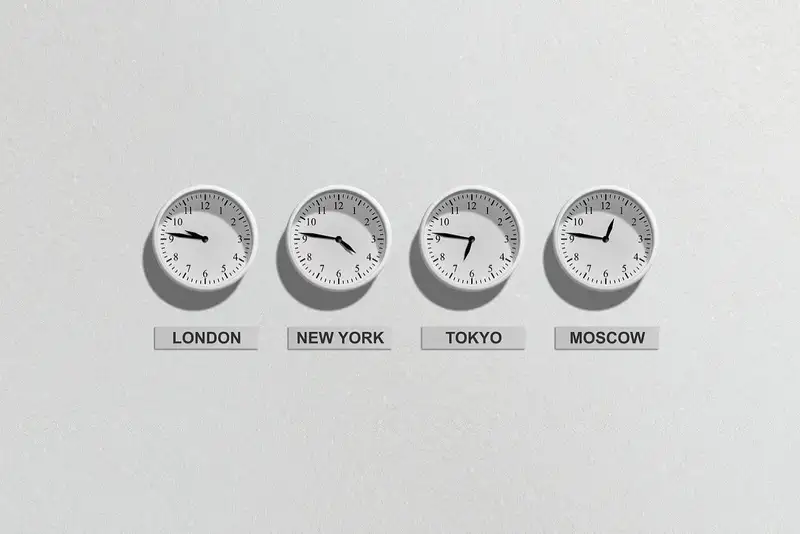
Employee time clocks for small businesses can be revolutionary. Both employees and employers can benefit, and they are a time-saving measure in themselves-
- Payroll is far more accurate and less labor-intensive.
- Everyone is treated fairly with accurate clock-in and clock-out times.
- Employers and employees can't cheat the system.
- Employees don't have to worry about logging their working hours on paper.
- Workplace flexibility can be at an all-time high, with employees being able to work from home and clock in and clock out from anywhere.
- Employee time clocks are a cost-effective investment that can save time, money, and frustration across the board.
Must-Read Content

Why Do Restaurant Staff Quit? Common Reasons and How to Prevent Them
Restaurant staff quit because of low wages, poor management, burnout, and scheduling issues. Learn practical strategies to improve retention and reduce turnover.

How to Get More Customers in a Restaurant
Learn how to get more customers in a restaurant through local marketing, social media, promotions, customer reviews, loyalty programs, and retention strategies.

How to Maintain Hiring Compliance Across Multiple Restaurant Locations
Restaurant groups can maintain hiring compliance by standardizing processes, centralizing records, assigning ownership, training managers, adapting to local laws, auditing regularly, and using technology for ongoing monitoring.

