Understanding POS Systems in Restaurants
The choice of a POS system can significantly impact the overall efficiency of a restaurant. POS systems have evolved considerably over the years, and today restaurant owners are often faced with two primary options- Kiosk POS systems and Traditional POS systems. While both systems serve the essential purpose of handling customer transactions, they differ in their approach, functionality, and impact on restaurant operations.
This article aims to compare the benefits and drawbacks of kiosk POS systems versus traditional POS systems, offering insights to help restaurant owners make an informed decision that suits their specific business needs.
Kiosk POS - What It Is and How It Works
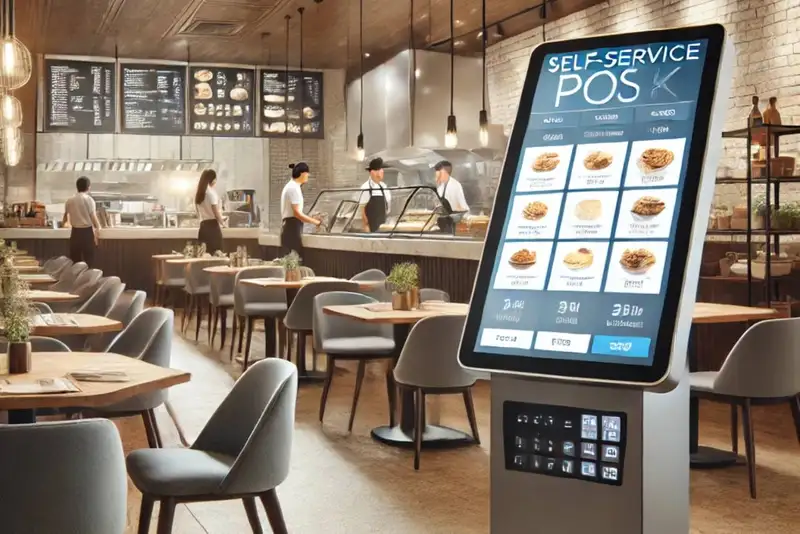
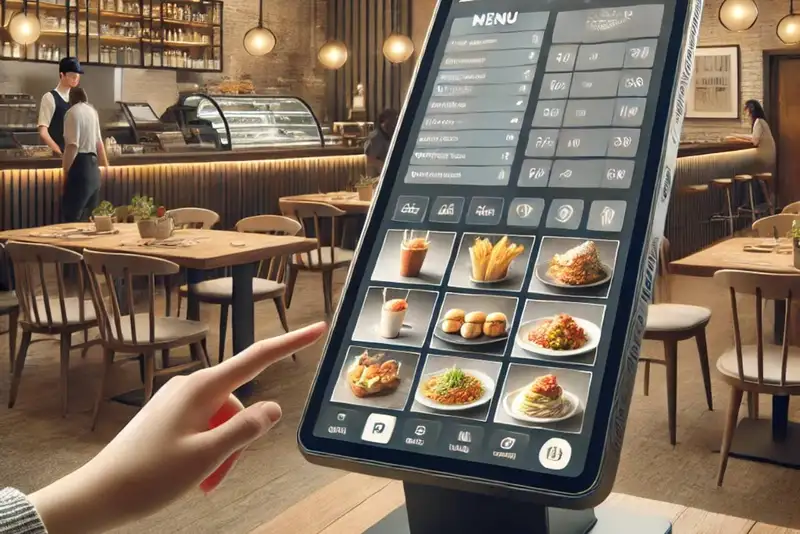
Kiosk POS systems are designed to offer a seamless and intuitive user experience. The customer approaches the kiosk, interacts with the digital menu displayed on the screen, and places their order by selecting items, customizing preferences, and specifying any special requests. Once the order is complete, the customer proceeds to the payment stage, where they can choose from various payment options, such as credit cards, debit cards, or mobile wallets. After payment is confirmed, the order is sent directly to the kitchen for preparation.
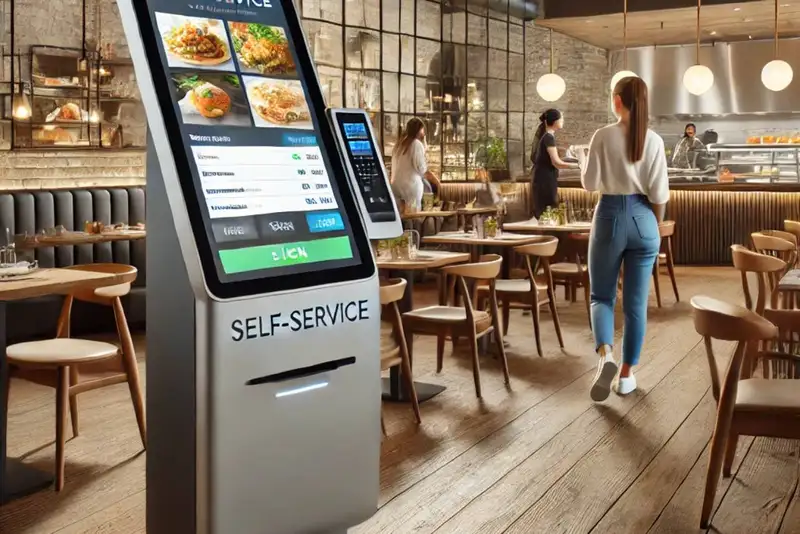
These kiosks are strategically placed in restaurants to allow for easy access, often near entrances or in areas designated for ordering. They can be either mounted on walls or freestanding stations depending on the layout of the restaurant. With the integration of kitchen display systems (KDS), the order is immediately visible to kitchen staff, ensuring a smooth and efficient transition from customer input to food preparation. This reduces the need for front-of-house staff to manage orders manually and allows the restaurant to operate with greater efficiency, especially during busy periods.
Additionally, kiosk POS systems often offer features like dynamic menu displays, customized promotions, and suggestive upselling, which provide opportunities for restaurants to boost average order values and enhance customer satisfaction.
Simplify Multi-Channel Ordering
Get started with Altametrics to streamline your POS!
Traditional POS - What It Is and How It Works
The process typically involves a server taking an order at the table, entering it into the POS terminal, and sending the information to the kitchen or bar. In many cases, the POS system is integrated with a kitchen display system or uses printed tickets to ensure the kitchen staff receives the order promptly. In full-service restaurants, the traditional POS system is critical to coordinating multiple tables, tracking special requests, and handling various payment methods, including splitting bills and applying tips.
Traditional POS systems also support features such as table management, loyalty programs, customer data tracking, and inventory management, providing restaurant owners with a comprehensive tool to manage both front-of-house and back-of-house operations. These systems are typically installed at the main counter or designated staff areas, where employees can access the software for processing orders and payments.
One of the significant advantages of a traditional POS system is its familiarity for both customers and staff. The human interaction involved in order-taking can enhance the dining experience, especially for customers who prefer personalized service.
Benefits of Kiosk POS Systems
Reduced Labor Costs
One of the most immediate benefits of adopting a kiosk POS system is the reduction in labor costs. Since customers can independently place their orders, restaurants can minimize the number of front-of-house staff required to manage the ordering and payment processes. This is particularly advantageous for quick-service restaurants, where reducing staffing needs can lead to significant savings on payroll expenses. With fewer cashiers or servers needed to process orders, restaurant owners can redirect their labor resources to other essential areas, such as food preparation or cleaning.
Increased Order Accuracy
A significant advantage of kiosk POS systems is the improvement in order fulfillment. In a traditional setup, servers manually take orders, which can sometimes lead to misunderstandings, missed special requests, or incorrect inputs into the POS terminal. With kioskPOS systems, customers enter their own orders, reducing the likelihood of errors caused by miscommunication. The customer has full control over selecting their items, making adjustments, and reviewing their order before submitting it. This results in fewer mistakes, less food waste, and an overall smoother experience for both customers and kitchen staff.
Enhanced Upselling Opportunities
Kiosk POS systems excel at providing upselling opportunities, which can boost revenue for restaurants. The digital interface can be programmed to display additional menu items, suggest upgrades, or offer meal combos at the right moments during the ordering process. For instance, if a customer orders a burger, the kiosk might prompt them to add fries or a drink for a discounted price. These personalized recommendations and offers help drive incremental sales without the need for staff involvement. Automated upselling features have been shown to increase the average ticket size in many restaurants.
Better Customer Experience
The self-service functionality of kiosk POS systems can lead to a better customer experience by giving diners more control over their orders. Customers can take their time browsing the menu, make selections at their own pace, and customize their meals to suit their preferences without feeling rushed. Kiosk POS systems also allow for faster service, as customers can avoid waiting in long lines to place orders. The efficiency of these systems can improve customer satisfaction, leading to repeat business and positive reviews.
Drawbacks of Kiosk POS Systems
Initial High Costs for Setup and Maintenance
One of the main disadvantages of kiosk POS systems is the initial investment required to install the hardware and software. Kiosks typically come with higher upfront costs compared to traditional POS systems, as they require specialized touchscreen displays, stands, and payment terminals. In addition to the hardware expenses, restaurants must also account for ongoing maintenance costs, software updates, and technical support. While the long-term savings from reduced labor costs can offset these expenses, the initial financial outlay may be prohibitive for some small businesses.
Learning Curve for Customers
Although kiosk POS systems are designed to be user-friendly, certain customer demographics may struggle with the technology. Older adults, in particular, may find it challenging to navigate the digital interface or may prefer the traditional ordering process with human interaction. Restaurants may need to provide staff assistance to guide customers who are unfamiliar with the system or who require help with specific features, such as customizations or payment options.
Space and Design Considerations
Another challenge that restaurant owners face when implementing kiosk POS systems is the space required for their installation. Kiosks need to be strategically placed in the restaurant to ensure they are accessible to customers while not obstructing foot traffic or causing congestion during busy periods. In smaller restaurants with limited space, finding an appropriate location for kiosks can be difficult. Additionally, the design and layout of the restaurant may need to be adjusted to accommodate the kiosks, which can incur additional costs.
Streamline Operations
Control Menus, Items, and Prices Seamlessly with Altametrics
Benefits of Traditional POS Systems
Personalized Service from Staff
One of the primary advantages of a traditional POS system is the ability to offer personalized service through human interaction. Many diners appreciate the opportunity to ask questions about the menu, receive recommendations from servers, and engage in friendly conversations. This level of service is particularly important in full-service restaurants where the dining experience is as much about hospitality as it is about the food. By providing attentive, face-to-face service, restaurant staff can create a more welcoming and enjoyable atmosphere for guests.
Easier to Customize Orders
Verbal communication between customers and staff allows for greater flexibility when it comes to customizing orders. Customers can easily convey their dietary preferences, special requests, or food allergies to servers, who can ensure that these details are accurately reflected in the order. While kiosk POS systems allow for some customization, they are often limited to the options programmed into the software. In contrast, a traditional POS system enables staff to handle more complex or off-menu requests, ensuring that customers' needs are fully met.
Familiarity for Both Staff and Customers
For many restaurant owners, staff, and customers, traditional POS systems are more familiar and intuitive to use. Servers are often well-trained in how to operate the system, and customers are accustomed to interacting with staff when placing orders. This familiarity reduces the risk of confusion or frustration during the ordering process, making it easier to provide seamless service, especially during busy periods. Traditional POS systems also allow for more flexibility when managing special situations, such as splitting checks or accommodating large groups.
Drawbacks of Traditional POS Systems
Higher Labor Costs
One of the main disadvantages of traditional POS systems is the higher labor costs associated with staffing. Because these systems rely on servers or cashiers to manage the ordering process, restaurants must employ more staff to handle transactions, especially during peak hours. This can lead to increased payroll expenses, which may be unsustainable for smaller businesses or restaurants operating on tight profit margins. In contrast, kiosk POS systems can help reduce labor costs by allowing customers to place orders themselves.
Potential for Human Errors
Another drawback of traditional POS systems is the potential for human errors during the order-taking process. Servers may mishear or misinterpret customer requests, leading to incorrect orders being sent to the kitchen. These errors can result in dissatisfied customers, wasted food, and additional costs for the restaurant. While well-trained staff can minimize mistakes, human error is still a factor that can affect the efficiency and accuracy of traditional POS systems.
Slower Service Times
During busy periods, traditional POS systems can result in slower service times as servers try to manage multiple tables, take orders, and process payments simultaneously. This can create bottlenecks in the ordering process, leading to longer wait times for customers and increased stress for staff. Restaurants that experience high customer turnover or operate in fast-paced environments may struggle to maintain efficient service with a traditional POS system, particularly during peak hours.
Choosing the Right POS for Your Restaurant
On the other hand, if your restaurant emphasizes personalized service and customer interaction, a traditional POS system may be more suitable. Traditional POS systems provide a more human touch, allowing for flexible order customizations, personalized service, and a familiar experience for both staff and customers. Full-service restaurants and fine dining establishments, where the dining experience is central to the business model, may find that a traditional POS system better aligns with their needs.
Ultimately, the decision comes down to evaluating your restaurant's specific requirements, customer preferences, budget, and long-term objectives. Both kiosk and traditional POS systems have their place in the modern restaurant landscape, and finding the right fit will help ensure your restaurant operates efficiently while delivering a satisfying dining experience for your guests.
Centralize Your Menus Today!
Manage Everything In One Place with Altametrics
Frequently
Asked Questions
Which restaurants benefit most from kiosk POS systems?
Can kiosk POS systems reduce wait times?
What kind of payment options do kiosk POS systems support?
Are kiosk POS systems secure for handling payments?
Must-Read Content

Why Do Restaurant Staff Quit? Common Reasons and How to Prevent Them
Restaurant staff quit because of low wages, poor management, burnout, and scheduling issues. Learn practical strategies to improve retention and reduce turnover.

How to Get More Customers in a Restaurant
Learn how to get more customers in a restaurant through local marketing, social media, promotions, customer reviews, loyalty programs, and retention strategies.
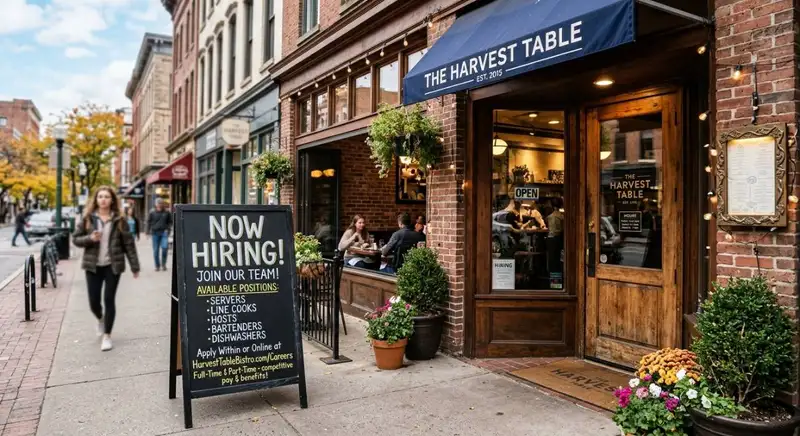
How to Maintain Hiring Compliance Across Multiple Restaurant Locations
Restaurant groups can maintain hiring compliance by standardizing processes, centralizing records, assigning ownership, training managers, adapting to local laws, auditing regularly, and using technology for ongoing monitoring.