




Overview
Not all time clocks are the same, and picking the right one can make a big difference. A good workforce management clock should do more than just record hours - it should help restaurant owners save time, reduce errors, and keep operations running smoothly. Features like cloud-based tracking, biometric verification, and automatic payroll integration can help owners and managers spend less time on paperwork and more time focusing on customers.
In this article, we'll go over five important features to look for in a workforce management clock. Whether you're running a small cafe or a busy restaurant with multiple locations, having the right system in place can help you keep track of employees, manage shifts better, and avoid payroll headaches. Let's dive into the must-have features every restaurant owner should consider.
Cloud-Based Tracking for Real-Time Accessibility

With a cloud-based system, time entries are automatically updated and stored online. This means managers can check schedules, track clock-ins and clock-outs, and make adjustments without needing to be on-site. If an employee forgets to clock in, a manager can fix the issue in real-time reporting, preventing payroll errors before they happen.
Another key benefit is that cloud-based tracking reduces the risk of losing important data. Since everything is stored securely online, restaurants don't have to worry about paper time cards getting lost or old punch clocks breaking down. Employees can also view their work hours from their mobile devices, giving them more visibility into their schedules.
Having a workforce management clock with cloud-based tracking helps restaurants run more smoothly by keeping attendance records accurate and accessible. It also makes life easier for managers, who can spend less time on manual timekeeping and more time focusing on running the restaurant.
All-in-One Workforce Management Solution
Easily Record Every Time Punch with Altametrics
Automated Compliance Monitoring
One of the biggest benefits of automated compliance monitoring is overtime tracking. Many restaurants rely on hourly workers, and overtime can add up quickly. A good workforce management clock automatically alerts managers when an employee is nearing overtime, allowing them to adjust schedules accordingly. This prevents unnecessary labor costs while ensuring employees are compensated fairly.
Another important aspect is meal and break tracking. In many areas, labor laws require employees to take scheduled breaks. A workforce management clock helps monitor these breaks, ensuring that employees take them at the right times and that they are properly recorded. If a required break is missed, the system can notify managers to address the issue immediately.
Automated compliance monitoring also helps with record keeping. If a labor dispute arises, having detailed time records can protect restaurant owners. The system keeps a digital record of all shifts, overtime hours, and breaks, reducing the risk of errors or disputes.
By using a workforce management clock with built-in compliance features, restaurant owners can focus more on running their business without worrying about labor law violations. It saves time, reduces stress, and ensures employees are treated fairly.
Shift Scheduling and Reminders
One of the biggest advantages of this feature is that it helps prevent scheduling conflicts. A good system ensures that employees aren't double-booked or scheduled during their requested time off. Managers can easily assign shifts, set limits on overtime, and even automate shift rotations to ensure fairness. With shift management built into the system, scheduling becomes much easier and less time-consuming.
Shift reminders also play a key role in reducing absenteeism and tardiness. Employees receive notifications before their shifts start, helping them remember their scheduled hours. This is particularly helpful in restaurants where shifts change frequently. By keeping employees informed, restaurants can avoid last-minute staffing shortages that lead to poor customer service.
Another benefit is the ability to handle shift swaps digitally. Instead of dealing with phone calls and text messages from employees trying to trade shifts, a workforce management clock allows workers to request swaps through the system. Managers can approve or deny these requests instantly, ensuring that all shifts remain properly staffed.
By using a system with shift scheduling and reminders, restaurant owners can ensure smooth operations, reduce stress for both managers and employees, and create a more organized work environment.
Biometric Authentication for Accuracy
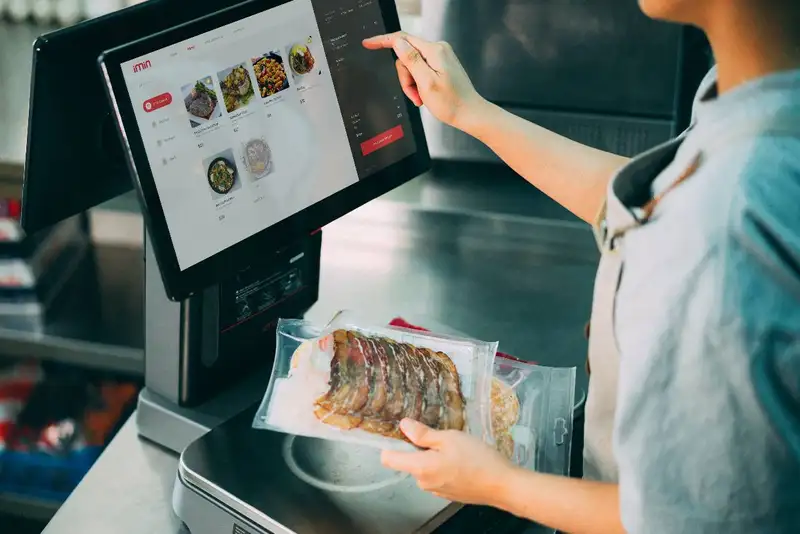
Biometric authentication improves accuracy by ensuring that the person clocking in or out is actually the one working the shift. This helps restaurant owners prevent time theft, which can add up to significant labor costs over time. Additionally, biometric time clocks automatically record attendance with precision, reducing the risk of payroll errors. Since the system captures real-time clock-ins, it also eliminates disputes over hours worked, making payroll processing smoother and more transparent.
Another benefit of biometric authentication is its ease of use. Employees no longer have to remember PIN codes or carry key cards, which can be lost or shared. Instead, they can quickly scan their fingerprint or face, making the clock-in process faster and more secure. This is especially useful in a busy restaurant environment where employees are constantly moving and need a quick, reliable way to log their time.
By incorporating biometric authentication into a workforce management clock, restaurant owners can improve security, reduce payroll fraud, and ensure accurate time tracking. This ultimately leads to better labor cost control and a more efficient work environment.
Achieve More with Less Hassle!
Integrate, Manage, and Drive Results with Altametrics
Payroll Integration for Seamless Processing
Payroll integration eliminates the need for manual data entry, which helps prevent common payroll issues such as miscalculating hours, missed overtime pay, or incorrect tax deductions. When employees clock in and out, their work hours are automatically recorded and sent to the payroll system. This ensures that every shift, break, and overtime hour is properly accounted for. As a result, employees receive accurate paychecks on time, reducing disputes and improving job satisfaction.
Another advantage of payroll integration is its ability to track labor costs in real-time. Restaurant owners can monitor payroll expenses throughout the pay period instead of waiting until payday to see how much they are spending on wages. This helps managers make informed staffing decisions, such as adjusting schedules to avoid unnecessary overtime.
Payroll-integrated workforce clocks also help restaurants comply with labor laws. Many payroll systems automatically apply tax rates, wage laws, and overtime rules based on location, ensuring that restaurants stay compliant without extra effort.
By choosing a workforce management clock with payroll integration, restaurant owners can simplify payroll processing, reduce errors, and ensure employees are paid accurately and on time. This feature not only saves time but also improves overall financial management.
Customizable Reporting and Analytics
One major benefit of customizable reporting is the ability to track labor costs in real-time. Restaurant owners can generate reports that show total labor expenses for a specific time frame, helping them adjust staffing levels to prevent overspending. By comparing labor costs to sales data, managers can determine if they are overstaffed or understaffed during peak and slow hours. This helps in optimizing scheduling while keeping payroll expenses under control.
Another advantage is attendance and punctuality tracking. Reports can highlight patterns of tardiness, absenteeism, and overtime, allowing managers to address potential issues before they impact operations. If a particular employee frequently arrives late or missed shifts, the system can flag these trends so managers can take corrective action.
A workforce management clock with analytics also helps restaurants stay compliant with labor laws. Reports can be customized to track overtime hours, meal and break compliance, and payroll summaries, ensuring that the business meets all legal requirements. This minimizes the risk of fines or disputes related to incorrect pay.
By utilizing customizable reporting and analytics, restaurant owners can gain better control over labor expenses, improve employee productivity, and ensure efficient scheduling. This feature ultimately leads to a more organized and cost-effective operation.
Summary
The five must-have features - cloud-based tracking, automated compliance monitoring, shift scheduling and reminders, bio-metric authentication, payroll integration, and customizable reporting - help restaurant owners manage their workforce more effectively. These features eliminate time theft, prevent payroll errors, and ensure employees are paid accurately and on time. They also provide managers with real-time data to make smarter scheduling and labor cost decisions.
With restaurants facing increasing labor costs and stricter labor regulations, having an efficient workforce management clock is no longer optional - it's a necessity. Investing in a system with these key features helps reduce administrative burdens, improves employee accountability, and ensures a smooth payroll process.
By implementing a workforce management clock with the right capabilities, restaurant owners can focus on what matters most - delivering excellent service, keeping customers happy, and running a successful business.
Effortlessly Schedule, Seamlessly Manage
Schedule Like a Pro with Altametrics
Frequently
Asked Questions
How often should restaurant owners review time-tracking reports?
Can a workforce management clock notify managers of no-shows?
Can a workforce management clock help with labor forecasting?
Can employees clock in and out using their mobile phones?
Must-Read Content

Why Do Restaurant Staff Quit? Common Reasons and How to Prevent Them
Restaurant staff quit because of low wages, poor management, burnout, and scheduling issues. Learn practical strategies to improve retention and reduce turnover.

How to Get More Customers in a Restaurant
Learn how to get more customers in a restaurant through local marketing, social media, promotions, customer reviews, loyalty programs, and retention strategies.
How to Maintain Hiring Compliance Across Multiple Restaurant Locations
Restaurant groups can maintain hiring compliance by standardizing processes, centralizing records, assigning ownership, training managers, adapting to local laws, auditing regularly, and using technology for ongoing monitoring.

