



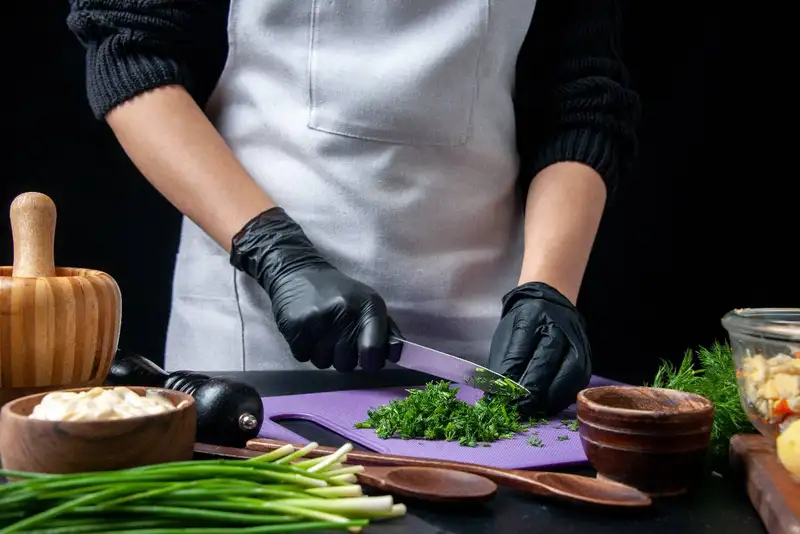
Overview
However, gloves are only as effective as the practices that accompany them. Improper glove use - such as failing to change gloves between tasks or touching contaminated surfaces - can create a false sense of security and increase contamination risks rather than reduce them. According to the U.S.Centers for Disease Control and Prevention (CDC), improper food handling, including glove misuse, is a leading contributor to outbreaks of food-borne illness in food service establishments.
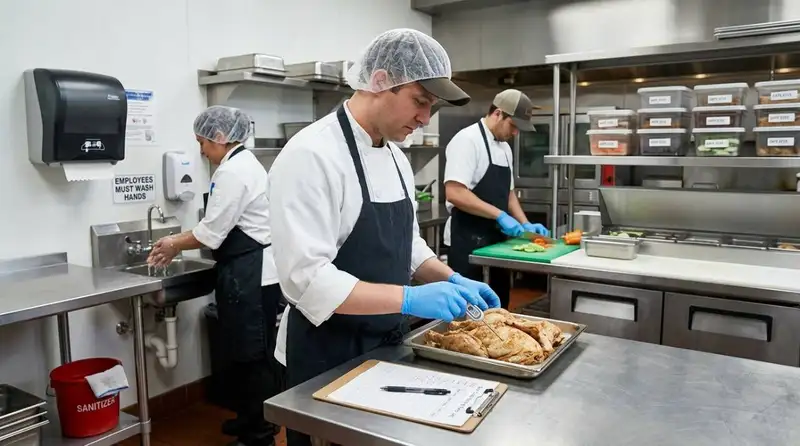
This guide offers ten practical and essential ways to use food handling gloves correctly in your kitchen. Whether you run a small cafe or a high-volume restaurant, these tips will help you strengthen your food safety protocols, improve kitchen efficiency, and meet health inspection standards with confidence.
1. Wash Hands Thoroughly Before Putting On Gloves

The CDC emphasizes that proper handwashing remains the first line of defense against foodborne illnesses - even when gloves are used. Staff should wash their hands with soap and warm water for at least 20 seconds before putting on a fresh pair of gloves. This step is particularly important after using the restroom, handling waste, touching raw meat, or sneezing and coughing.
By reinforcing strict handwashing protocols before gloves up, restaurant owners can significantly reduce the risk of contaminating food products. Remember - gloves are not a substitute for clean hands - they are an added layer of protection.
Stay Compliant, Elevate Your Business!
Discover Altametrics for Effortless Compliance Management
2. Select the Right Glove Material for Each Task
- Nitrile gloves are durable, resistant to oils and chemicals, and ideal for handling allergenic foods like seafood or nuts because they are latex-free. This makes them a top choice for kitchens aiming to minimize allergen cross-contact.
- Vinyl gloves are generally less expensive and suitable for low-risk tasks that require frequent glove changes, such as cashier duties or light food handling. However, they offer less protection and durability compared to nitrile or latex.
- Latex gloves provide excellent flexibility and comfort but should be avoided if any staff or customers have latex allergies, which can lead to severe reactions.
- Avoid using powdered gloves, as the powder can contaminate food and cause allergic reactions. Additionally, always check for food-grade certification on gloves to ensure compliance with safety standards.
By carefully selecting glove materials aligned with specific kitchen tasks, restaurant owners can boost food safety while maintaining operational efficiency and staff satisfaction.
3. Change Gloves Between Every Task or Food Type
Health authorities recommend that gloves be changed immediately after handling raw meats, seafood, or unwashed produce, as well as after touching any non-food surfaces like trash bins or cleaning equipment. Additionally, gloves should be swapped out when moving from one food prep station to another.
Even if gloves appear clean, invisible pathogens can remain on the surface and contaminate ready-to-eat foods, leading to serious health consequences for customers.
Instilling a strict glove-change policy in your kitchen culture not only safeguards food safety but also reassures your staff that their efforts contribute directly to preventing illness and maintaining your restaurant's reputation.
4. Avoid Touching Non-Food Surfaces While Wearing Gloves
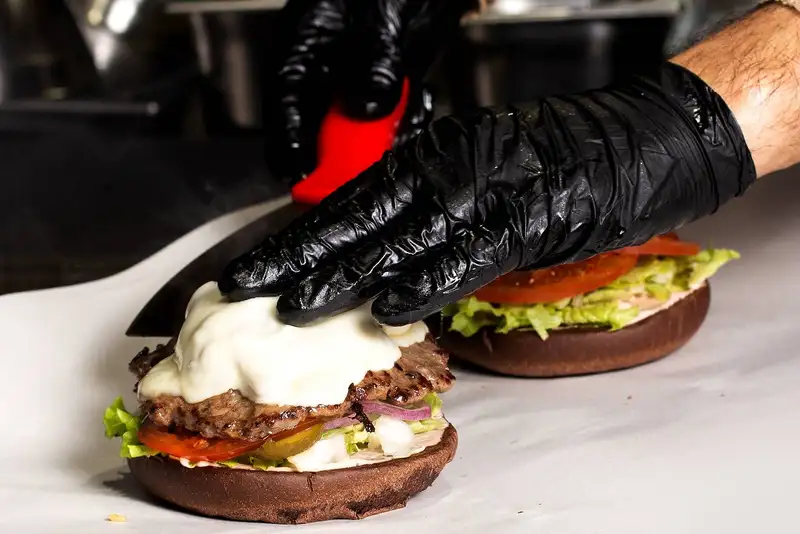
Once gloves touch any non-food item, they carry bacteria, viruses, or other contaminants that can transfer back onto food or clean utensils, defeating their purpose. To maintain glove effectiveness, train your staff to remove gloves before handling anything unrelated to food preparation.
If gloves accidentally touch a non-food surface, they must be discarded and replaced immediately before resuming food handling. Establishing this habit helps prevent the spread of contaminants and reduces the risk of foodborne illnesses.
Remember, gloves act as a barrier - but only when used thoughtfully and with discipline.
Maximize Your Time and Minimize Labor Costs
Simplify Prep with Altametrics!
5. Replace Damaged, Torn, or Soiled Gloves Immediately
It's essential to encourage your staff to routinely inspect their gloves during use and replace them at the first sign of damage. This includes any tears, holes, or discoloration. Soiled gloves - those that have food residue, grease, or dirt on them - should also be swapped out immediately to maintain hygiene standards.
By making it a standard practice to change compromised gloves without delay, you help ensure that your kitchen operates with the highest level of food safety and reduce the chances of foodborne illness outbreaks linked to glove misuse.
6. Change Gloves at Least Every Four Hours
The FDA recommends changing gloves at least every four hours during continuous use to minimize this risk. If gloves become soiled, torn, or contaminated before that time, they should be replaced immediately.
By adopting a routine glove-changing schedule, you protect both your customers and your staff from potential contamination, while also promoting better comfort and hygiene for your team throughout long shifts.
7. Implement Color-Coded Glove Systems
Assigning specific glove colors - for example, blue for seafood, red for raw meat, and green for vegetables - helps staff visually distinguish gloves worn during different food preparations. This simple system acts as a clear reminder to change gloves when switching between allergenic and non-allergenic foods.
Color-coded gloves not only enhance safety but also streamline kitchen operations by reducing confusion and increasing accountability among staff. By implementing this practice, restaurant owners demonstrate a strong commitment to allergen management and customer care.
8. Provide Properly Fitted Gloves
Too-tight gloves may cause discomfort and hand fatigue, while loose gloves can slip off or snag on equipment. Both scenarios raise the risk of glove failure and contamination.
To ensure optimal glove performance, provide multiple glove sizes that accommodate the diverse hand shapes and sizes of your staff. Encourage employees to select the best-fitting gloves for their comfort and safety.
By investing in properly fitted gloves, you support your team's efficiency and help maintain high standards of hygiene throughout your kitchen.
9. Store Gloves in a Clean, Dry, and Easily Accessible Location
Avoid storing glove boxes near cleaning supplies, sinks, or heat sources such as ovens or dishwashers. Instead, designate a specific, easily accessible location for glove storage that is convenient for staff to reach during busy shifts.
Well-stored gloves remain intact and ready for safe use, helping your kitchen maintain hygiene standards and prevent the risk of contamination from damaged or compromised gloves.
10. Include Glove Use Training in Regular Staff Food Safety Sessions
Training should cover handwashing before gloves, proper glove selection, the importance of changing gloves between tasks, and the risks of touching non-food surfaces. Reinforcing these practices helps build a culture of food safety and accountability.
Well-informed employees are more likely to follow protocols consistently, reducing the risk of contamination and helping your restaurant maintain high hygiene standards. Investing in ongoing glove use education is an investment in your customers' health and your establishment's reputation.
Summary
Remember, gloves are an important tool, but they work best when combined with consistent hygiene habits and vigilant kitchen management. Assess your current glove practices, make adjustments where needed, and encourage your team to take food safety seriously.
Implementing these strategies not only helps meet health regulations but also builds trust with your guests, showing them you prioritize their well-being every step of the way.
Cut Down Prep Time and Boost Accuracy
Automate Your Kitchen with Altametrics!
Frequently
Asked Questions
How long can gloves be worn continuously?
What is a color-coded glove system, and why is it important?
How should gloves be stored in the kitchen?
How can I tell if gloves are food-grade quality?
Must-Read Content
The Ultimate Guide to Managing Food Allergens in Restaurants
Food allergens require accurate labeling, employee training, cross-contact prevention, safe food handling, and consistent procedures to protect customers and improve restaurant safety.
The Most Common Restaurant Health Code Violations
Identify health code violations across major restaurant operations and learn how consistent inspections, training, sanitation, and documentation can reduce risks.
The Complete Guide to OSHA Regulations for Restaurants
This guide explains essential OSHA regulations for restaurants, covering safety hazards, training, hazard communication, PPE, and recordkeeping requirements for owners.

