Restaurant Efficiency and Profitability
In the highly competitive restaurant industry, efficiency and consistency are key to delivering exceptional customer experiences and maintaining profitability. With the help of automation, restaurants can streamline their operations, reduce costs, and focus more on providing quality food and service. From managing inventory to enhancing the dining experience, automation offers endless opportunities for operational success.
Here are five impactful ways restaurants can leverage automation to transform their operations -
Here are five impactful ways restaurants can leverage automation to transform their operations -
1. Streamlining Inventory Management
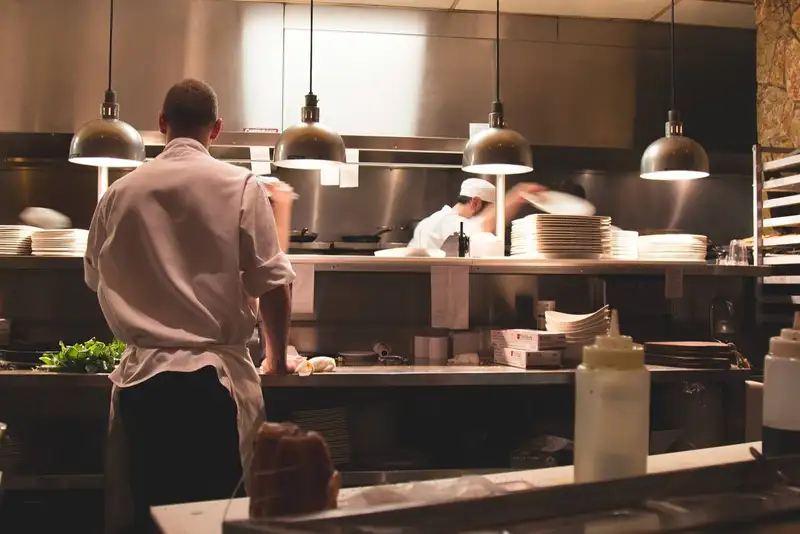
Managing inventory manually can be time-consuming and prone to errors, leading to waste or shortages. Automation tools can -
-Track stock levels in real-time.
-Automatically generate reorder alerts when supplies run low.
-Provide data-driven insights into usage trends and waste patterns.
Impact - Reducing food waste, avoiding stockouts, and ensuring optimal inventory levels save costs and improve kitchen efficiency.
Example - A cloud-based inventory system integrated with a restaurant's POS tracks sales and adjusts inventory automatically, making it easier to forecast demand and order supplies.
Efficient Ordering at Your Fingertips
Experience Flawless Inventory Management with Altametrics
2. Automating Employee Scheduling and Payroll
Employee scheduling can be a logistical nightmare, especially during peak seasons. Automation simplifies the process by -
-Generating optimized schedules based on employee availability and business needs.
-Allowing staff to request time off or swap shifts through an app.
-Automatically calculating wages, overtime, and tips for payroll processing.
Impact - Saves hours of administrative work, improves staff satisfaction, and ensures compliance with labor laws.
Example - An AI-driven scheduling tool predicts staffing needs based on historical sales data, ensuring the restaurant is never over- or understaffed.
3. Enhancing Order Management and Food Preparation
With automation, restaurants can speed up and improve the accuracy of order management. Tools include -
-Self-service kiosks - Allow customers to place orders directly, reducing wait times and errors.
-Kitchen display systems (KDS) - Streamline communication between the front and back of the house by displaying orders digitally in the kitchen.
-Food prep automation - Machines that assist with repetitive tasks like slicing vegetables or portioning ingredients.
Impact - Faster service, reduced errors, and better communication between staff ensure a seamless dining experience.
Example - A fast-casual restaurant uses self-order kiosks integrated with its KDS, ensuring customers' orders go directly to the kitchen with no manual input required.
4. Improving Customer Engagement

Automation helps restaurants engage with customers more effectively through -
-Loyalty programs - Automated tracking and rewards for repeat customers.
-Marketing automation - Sending personalized emails or SMS promotions based on customer preferences.
-Feedback collection - Digital surveys or QR codes on receipts that customers can use to provide instant feedback.
Impact - Builds stronger customer relationships, increases repeat visits, and provides valuable insights for improvement.
Example - A loyalty app rewards diners with points for every dollar spent, automatically redeemable during their next visit, encouraging return customers.
Streamline Your Inventory. Order Smartly.
Start Simplifying Your Orders with Altametrics
5. Optimizing Financial Reporting and Analytics
Tracking financial performance is critical, but manual processes can be cumbersome. Automation simplifies financial management by -
-Integrating POS systems with accounting software for real time reporting.
-Analyzing sales, labor, and food costs to identify trends and areas for improvement.
-Automating tax calculations and filings.
Impact - Better financial oversight, fewer errors, and data-driven decisions that improve profitability.
Example - A POS system that integrates with an analytics platform provides detailed reports on daily sales, peak hours, and bestselling menu items, helping the owner optimize operations.
The Future of Automation in Restaurants
As technology continues to evolve, restaurants can look forward to even more innovative automation solutions, including -
-AI-driven menu suggestions - Personalized recommendations based on customer preferences.
-Robotic servers - Enhancing efficiency in table service.
-Smart kitchens - IoT-enabled appliances that monitor and adjust cooking processes for consistency.
-AI-driven menu suggestions - Personalized recommendations based on customer preferences.
-Robotic servers - Enhancing efficiency in table service.
-Smart kitchens - IoT-enabled appliances that monitor and adjust cooking processes for consistency.
Conclusion
Restaurant automation is no longer a luxury but a necessity for operational success in today's competitive market. By strategically implementing automation solutions, restaurants can improve efficiency, reduce costs, and enhance the dining experience for their customers. The key is to approach automation as an ongoing process of improvement rather than a one-time implementation, continuously evaluating and adapting systems to meet changing business needs and customer expectations.
Success in restaurant automation requires a balance between technology and the human element of hospitality. When implemented thoughtfully, automation tools empower staff to provide better service and create more memorable dining experiences for customers.
Success in restaurant automation requires a balance between technology and the human element of hospitality. When implemented thoughtfully, automation tools empower staff to provide better service and create more memorable dining experiences for customers.
Reward Loyal Customers!
Create your program with Altametrics!
Frequently
Asked Questions
What is the role of automation in financial reporting?
Automation integrates POS systems with accounting software, provides real-time financial insights, and automates tax calculations, improving financial oversight and decision-making.
How can automation help reduce food waste?
Automation tracks inventory in real-time, provides reorder alerts, and analyzes usage trends, helping restaurants avoid overstocking and minimize waste.
How can automation impact staff satisfaction?
Automation simplifies scheduling, payroll, and communication, allowing staff to focus on providing excellent service, improving job satisfaction and retention.
How does automation impact labor costs?
Automation reduces labor costs by streamlining repetitive tasks, such as scheduling, food prep, and order management, allowing staff to focus on customer-facing roles.
Must-Read Content
How to Get More Customers in a Restaurant
Learn how to get more customers in a restaurant through local marketing, social media, promotions, customer reviews, loyalty programs, and retention strategies.
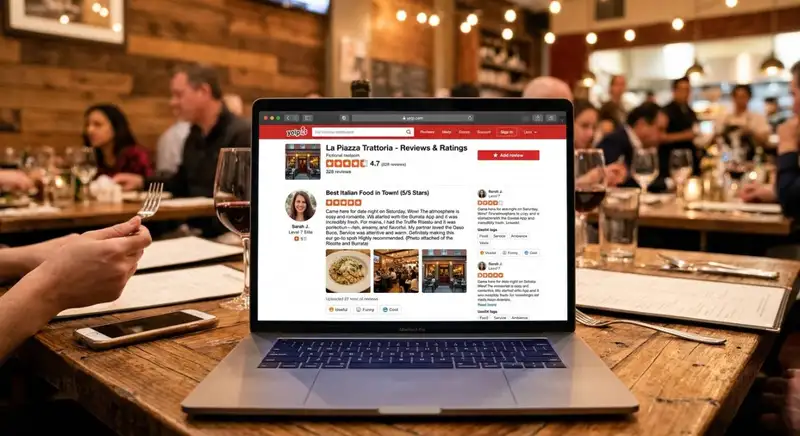
How to Get More Yelp Reviews for Your Restaurant
Learn how to improve Yelp reviews by optimizing your restaurant profile, delivering excellent service, managing feedback, and building a trustworthy online reputation.
How to Manage Tasks in a Restaurant
Learn how to manage tasks in a restaurant by organizing responsibilities, prioritizing duties, assigning employees, tracking progress, and using technology effectively.