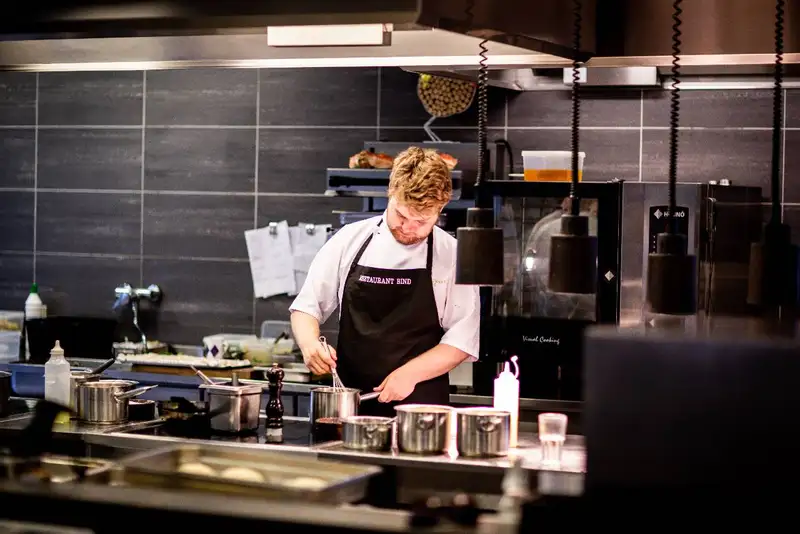
Rethinking Restaurant Operations
A call for modernization is imperative. Embracing new technologies can streamline operations, improve accuracy, and enhance customer satisfaction. Modern solutions such as automation, digital inventory systems, and advanced communication tools can revolutionize the way restaurants operate. By adopting these innovations, restaurants can not only meet but exceed contemporary expectations, driving growth and ensuring long-term success in a competitive industry.
Enhancing Productivity

A Guide to Implementing Automation
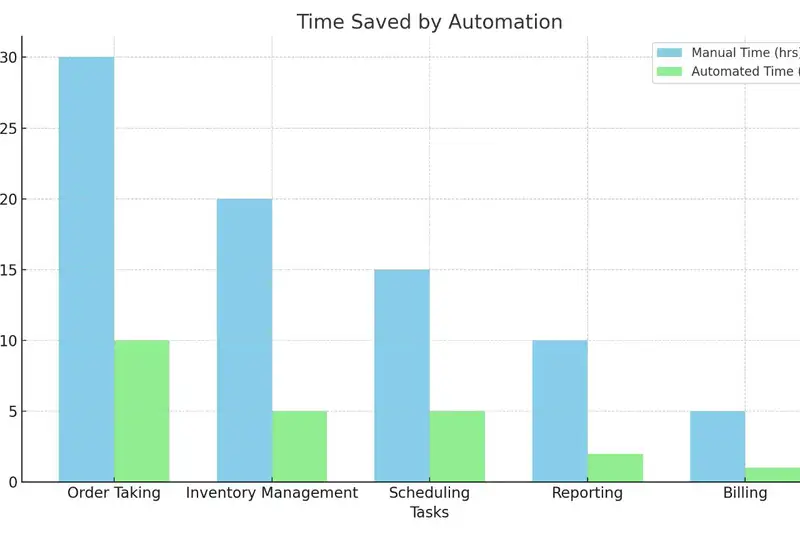
1. Assess Needs - Identify which manual tasks consume the most time and could benefit from automation. Common areas include order taking, inventory management, and employee scheduling.
2. Choose the Right Tools - Research and select automation tools that fit your restaurant's specific needs. Look for user-friendly solutions that integrate seamlessly with existing systems.
3. Train Staff - Ensure all employees are adequately trained to use the new automation tools. Provide ongoing support to address any issues and maximize the tools' effectiveness.
By following these steps, restaurants can successfully implement automation to enhance productivity and operational efficiency.
Take Control of Your Operations Team's Tasks
Discover Seamless Workflow Management with Altametrics
Raising Quality Standards
Practical Tips for Continuous Improvement
1. Regular Training Sessions - Conduct ongoing training sessions to keep staff updated on the latest industry standards and techniques.
2. Standard Operating Procedures (SOPs) - Develop and implement SOPs to ensure consistency in all aspects of operations.
3. Use Technology - Implement digital tools for monitoring quality and receiving instant feedback. This can include digital checklists, customer feedback apps, and quality control software.
By adopting these strategies and practical tips, restaurant managers can continuously enhance the quality of their operations and ensure a superior customer experience.
Ensuring Food Safety
Key Practices for Maintaining High Standards
1. Regular Training - Conduct frequent and thorough training sessions on food safety protocols to keep staff updated and vigilant.
2. Hygiene and Sanitation - Implement strict hygiene practices, including regular handwashing, proper storage, and sanitation of all kitchen and service areas.
3. Technology Integration - Utilize digital tools like temperature sensors, inventory management systems, and real-time reporting to monitor food safety practices continuously.
By adopting these key practices and leveraging technology, restaurants can ensure high food safety standards, protect their customers, and uphold their reputation.
Enhancing Communication
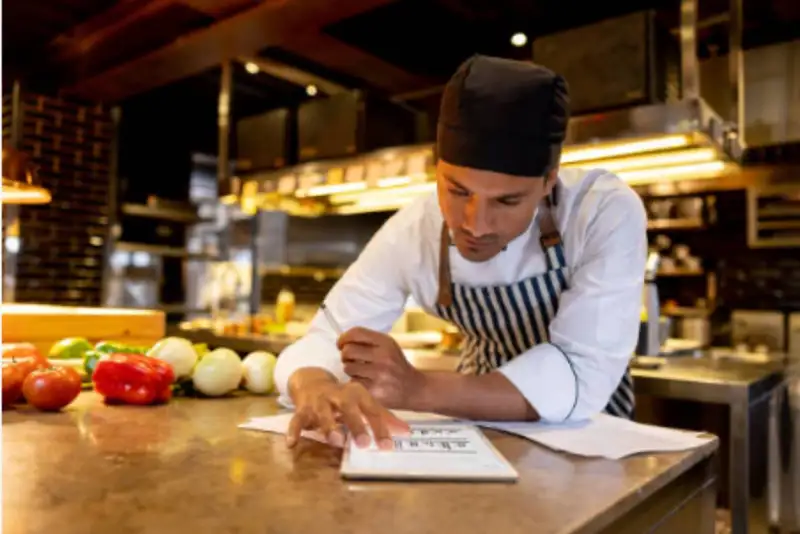
Tools and Strategies for Better Connectivity
1. Unified Communication Platforms - Implement platforms that allow for seamless communication between different locations, including messaging, video calls, and document sharing, to ensure everyone is connected and informed.
2. Regular Updates and Meetings - Schedule regular updates and virtual meetings to keep all team members aligned with current operations, policies, and goals.
3. Feedback Systems - Establish systems for gathering and addressing feedback from employees at all levels, promoting a culture of continuous improvement and open communication.
By improving employee communication, restaurants can ensure smooth operations, enhance teamwork, and quickly address any issues that arise.
Effortlessly Create, Implement, and Execute Multiple Daily Checklists
Optimize Your Daily Operations with Altametrics
Increasing Operational Visibility
Leveraging visibility also enables managers to identify potential growth opportunities. For instance, by closely monitoring sales data, managers can determine which menu items are most popular and which are underperforming. This information can guide menu adjustments to better meet customer preferences, potentially boosting sales. Additionally, understanding peak times and customer behavior can help optimize staffing levels, reducing labor costs while maintaining service efficiency.
Utilizing Data for Informed Decision-Making
Real-time data and analytics are invaluable tools for restaurant managers, providing the insights needed to make informed decisions. Access to up-to-date information on sales, inventory levels, and customer feedback allows managers to respond swiftly to changing conditions and market demands. Analytics can reveal trends and patterns, enabling data-driven decisions that enhance operational efficiency and profitability. For example, data on inventory levels can help prevent overstocking or stockouts, ensuring optimal resource use. Customer feedback analytics can highlight areas for improvement in service or menu offerings.
By leveraging data, managers can forecast demand more accurately, optimize staffing schedules, and implement strategic changes that drive growth. This data-centric approach not only improves current operations but also positions the restaurant for long-term success.
Achieving Operational Excellence
Effective communication systems are crucial for smooth operations, enabling quick and accurate information sharing between stores, the field, and headquarters. Real-time data and analytics provide managers with actionable insights, allowing for informed decision-making that can improve efficiency and profitability. Enhanced visibility into operations helps managers identify and address issues early, preventing minor problems from becoming major disruptions.
Looking ahead, innovation will play a critical role in setting new standards for restaurant efficiency, quality, and customer satisfaction. Technological advancements such as AI-driven analytics, automated inventory systems, and advanced communication platforms will streamline operations and provide deeper insights into performance. By adopting these innovations, restaurants can stay ahead of market trends, meet evolving customer expectations, and drive growth. Embracing these changes is not just about keeping up with the industry; it's about setting the bar higher for operational excellence and ensuring long-term success. This forward-looking approach will help restaurants thrive in an increasingly competitive landscape, ultimately leading to better service and greater customer satisfaction.
Key Takeaways and Actionable Steps
Actionable Steps for Implementation
1. Assess and Automate - Identify and automate repetitive tasks such as order taking and inventory management to free up staff for more value-added activities.
2. Standardize Procedures - Develop and implement standard operating procedures (SOPs) to ensure consistency in service and quality across all locations.
3. Invest in Training - Provide ongoing training for staff on food safety, quality standards, and new technologies to maintain high standards.
4. Enhance Communication - Establish efficient communication channels between stores, the field, and headquarters to ensure smooth operations.
5. Leverage Data - Utilize real-time data and analytics to monitor performance, address issues early, and identify growth opportunities.
By following these steps, restaurant owners and managers can effectively implement the strategies discussed and significantly improve their operations.
Capture Every Punch with Precision
Elevate Your Hospitality Operations with Altametrics
Frequently
Asked Questions
What are some examples of automation tools for restaurants?
How can restaurants improve work quality?
What tools can help maintain food safety?
How can communication be improved in restaurants?
Must-Read Content

How to Get More Customers in a Restaurant
Learn how to get more customers in a restaurant through local marketing, social media, promotions, customer reviews, loyalty programs, and retention strategies.
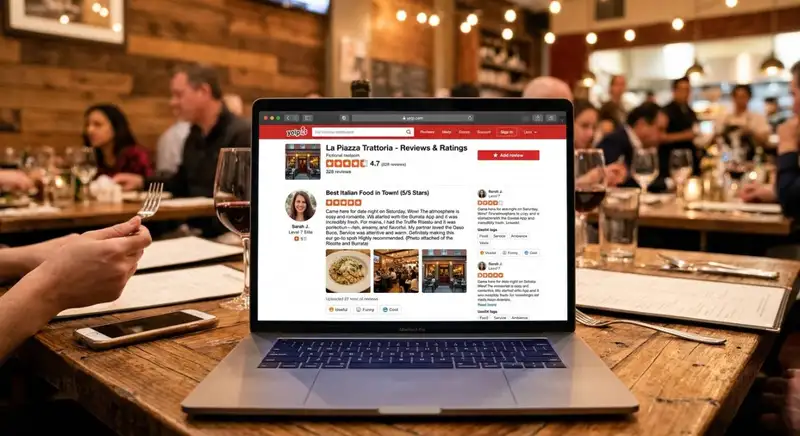
How to Get More Yelp Reviews for Your Restaurant
Learn how to improve Yelp reviews by optimizing your restaurant profile, delivering excellent service, managing feedback, and building a trustworthy online reputation.

How to Manage Tasks in a Restaurant
Learn how to manage tasks in a restaurant by organizing responsibilities, prioritizing duties, assigning employees, tracking progress, and using technology effectively.