
Overview
Running a restaurant is more than just serving great food - it's also about keeping employees happy and motivated. Restaurant jobs can be stressful, with long hours and fast-paced work, so it's important to make employees feel appreciated. One of the best ways to do this is by having a rewards program. A good employee rewards program helps recognize hard work, boosts morale, and encourages staff to stay longer instead of looking for another job.
Employee rewards don't always have to be about money. While bonuses and raises are great, there are also other ways to show appreciation, like giving extra time off, offering free meals, or simply recognizing employees for their efforts. When employees feel valued, they are more likely to give better service, work harder, and stay with your restaurant for the long run.
This guide will walk you through different types of rewards programs, from monetary incentives to non-monetary perks and team-based recognition. Whether you're looking to start a new program or improve an existing one, you'll find helpful ideas to create a system that works for your business. Keeping your employees motivated is key to running a successful restaurant, and a good rewards program can make all the difference.
Understanding Employee Rewards Programs

An employee rewards program is a system that restaurants use to recognize and appreciate their staff's hard work. It helps create a positive work environment, boosts employee morale, and encourages employees to stay committed to their jobs. In the restaurant industry, where turnover rates are often high, having a structured rewards program can make a big difference in keeping employees engaged and reducing staff shortages.
There are different types of rewards programs, ranging from monetary incentives like bonuses and raises to non-monetary perks such as extra time off, free meals, or public recognition. Some restaurants prefer structured programs where employees earn points for good performance, while others take a more informal approach, offering occasional rewards for outstanding service. The key is to find a system that fits the restaurant's budget and meets the needs of the employees.
One of the main benefits of a rewards program is that it encourages employees to perform their best. When staff members know their hard work is appreciated, they are more likely to stay motivated and provide excellent service to customers. This leads to better teamwork, higher job satisfaction, and a more positive restaurant atmosphere. On the other hand, when employees feel undervalued, they may lose interest in their work, leading to poor service and higher turnover.
It's also important to make sure the rewards program is fair and transparent. Employees should clearly understand what they need to do to earn rewards, and everyone should have an equal chance to participate. A well-planned program not only helps retain good employees but also attracts new talent looking for a supportive work environment.
By implementing a strong employee rewards program, restaurant owners can create a workplace where employees feel valued, work harder, and stay longerleading to a more successful and stable business.
All-in-One Workforce Management Solution
Easily Record Every Time Punch with Altametrics
Monetary Incentives
Monetary incentives are one of the most effective ways to reward restaurant employees. Since wages in the restaurant industry can sometimes be low, offering financial rewards can significantly boost motivation and job satisfaction. There are different types of monetary incentives, including bonuses, raises, and profit-sharing programs. Each of these can be used to recognize hard work and encourage employees to stay longer with the business.
Bonuses
Bonuses are a great way to reward employees for their performance. They can be given for various reasons, such as meeting sales targets, delivering exceptional customer service, or working during peak holiday hours. Some restaurants offer holiday bonuses, while others provide performance-based bonuses that employees can earn by reaching specific goals. Even small cash bonuses can make a big difference in employee motivation and morale.
Raises
Regular pay raises show employees that their hard work is valued and that they have opportunities for growth. A well-planned raise system encourages employees to stay committed to the restaurant instead of seeking jobs elsewhere. Raises can be given based on performance, length of service, or new skills learned. They help create a culture where employees feel rewarded for their long-term dedication.
Profit Sharing
Profit-sharing programs allow employees to receive a portion of the restaurant's profits. This type of incentive makes employees feel like they are directly contributing to the restaurant's success. While this option may not be possible for all businesses, even small profit-sharing initiatives can help employees feel more connected to the restaurant's growth and financial health.
Providing monetary incentives helps employees feel valued and appreciated. When employees know that their hard work can lead to financial rewards, they are more likely to stay motivated, provide excellent service, and contribute to the restaurant's success.
Non-Monetary Rewards
While monetary rewards are important, non-monetary rewards can be just as effective in keeping employees happy and motivated. These rewards focus on making employees feel valued and appreciated beyond their paycheck. In a busy restaurant environment, where long shifts and stressful situations are common, offering meaningful perks can help improve employee morale and reduce burnout.
Flexible Scheduling
One of the biggest challenges for restaurant employees is maintaining a work-life balance. Offering flexible scheduling allows staff to better manage their personal lives while still being committed to their jobs. This can include allowing employees to request certain shifts, providing advance notice of schedules, or permitting shift swaps without penalty. When employees feel they have control over their schedules, they are more likely to stay engaged and satisfied with their jobs.
Extra Time Off
Recognizing employees' hard work with additional time off is a great way to show appreciation. Rewarding high performers with a paid day off or giving long-term employees additional vacation days can make a big difference in how valued they feel. Even small gestures, like letting employees leave early after a particularly busy shift, can go a long way in boosting morale.
Free Meals and Discounts
Providing free meals during shifts or offering employee discounts on food can be a simple yet effective perk. It not only helps employees save money but also makes them feel appreciated. Some restaurants extend discounts to employees' families, further increasing the appeal of working at the restaurant.
Public Recognition
Acknowledging employees in front of their peers can have a huge impact on motivation. A simple Employee of the Month program, shout-outs in staff meetings, or even a thank-you note can make employees feel valued. Public recognition fosters a positive work culture and encourages employees to continue putting in their best effort.
Non-monetary rewards help create a workplace where employees feel appreciated, motivated, and eager to stay long-term. By combining these perks with financial incentives, restaurant owners can build a loyal and engaged workforce.
Performance-Based Rewards Programs
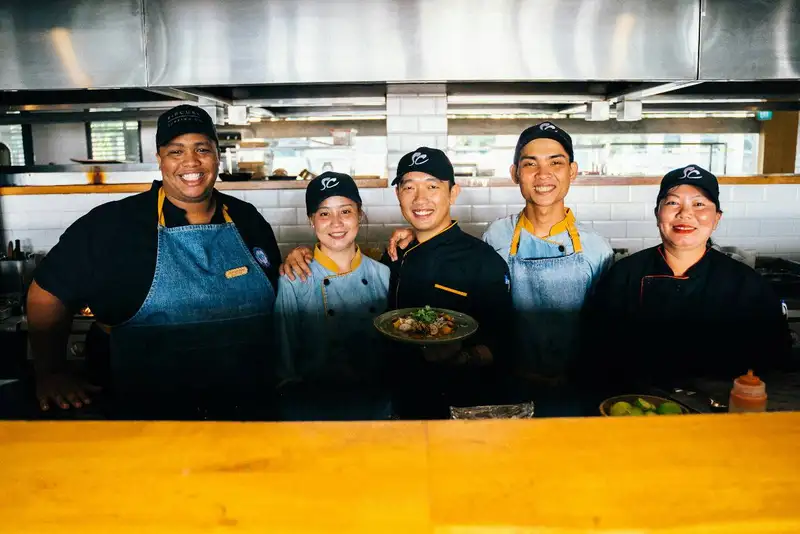
A performance-based rewards program is designed to recognize employees for their hard work, skills, and dedication. Unlike general incentives that apply to all staff, these programs focus on rewarding employees who meet specific goals or go above and beyond their daily duties. By implementing a performance-based system, restaurant owners can encourage a culture of excellence while keeping employees motivated to do their best.
Setting Clear Goals
To make a performance-based rewards program effective, it's important to set clear and measurable goals. Employees should know exactly what they need to do to earn rewards. These goals can include improving customer service ratings, increasing sales, maintaining a clean and organized workspace, or working efficiently during busy hours. By defining expectations, employees will have a clear understanding of how they can be recognized for their hard work.
Employee of the Month Programs
One of the most common performance-based rewards is an Employee of the Month program. This type of recognition highlights outstanding employees and gives them a sense of pride in their work. Restaurants can reward winners with a bonus, a special parking spot, or even a preferred shift selection. Publicly recognizing an employee's achievements helps boost morale and encourages others to strive for the same recognition.
Sales-Based Incentives
For restaurants that rely heavily on up-selling, offering incentives for sales performance can be a great motivator. Employees can be rewarded for selling the most high-margin items, getting positive customer feedback, or exceeding a weekly sales target. These rewards can be in the form of cash bonuses, gift cards, or extra time off.
Tracking Performance Fairly
To ensure fairness, restaurants should have a system for tracking employee performance. This can be done through customer feedback surveys, sales reports, or manager evaluations. Transparency is key - employees should feel confident that rewards are based on merit rather than favoritism.
A well-structured performance-based rewards program not only helps improve efficiency and customer service but also creates a competitive yet supportive work environment where employees feel driven to excel.
Achieve More with Less Hassle!
Integrate, Manage, and Drive Results with Altametrics
Team-Based Rewards
While individual rewards programs help recognize top-performing employees, team-based rewards can foster a stronger sense of collaboration and teamwork in a restaurant. In a fast-paced environment where success depends on how well employees work together, encouraging team-based incentives can improve efficiency, boost employee morale, and create a more positive work culture.
Why Team-Based Rewards Matter
Restaurants function as a unit, with servers, kitchen staff, and management all playing essential roles in delivering a great customer experience. When employees work together effectively, the restaurant runs smoothly, leading to better service, faster turnaround times, and happier customers. Team-based rewards encourage cooperation instead of competition, ensuring that every team member is invested in the overall success of the business.
Ideas for Team-Based Rewards
1. Group Bonuses - Instead of only rewarding individuals, consider offering a team-wide bonus if certain goals are met, such as achieving high customer satisfaction ratings or reducing food waste. This encourages employees to support each other in reaching shared objectives.
2. Team Outings - Organizing a team dinner, a fun activity, or even a small celebration after meeting a big goal can strengthen relationships among employees and improve workplace camaraderie.
3. Shift-Based Incentives - Reward entire shifts that perform exceptionally well by offering free meals, preferred scheduling, or small bonuses. This can motivate teams to work more efficiently during busy hours.
4. Restaurant-Wide Challenges - Encourage teamwork with friendly competitions, such as a month-long challenge to improve cleanliness, customer service, or upselling efforts. Reward the winning team with a prize, like a gift card or an extra day off.
Ensuring Fairness and Participation
For team-based rewards to be effective, all employees should have an equal opportunity to contribute and benefit. Managers should ensure that the program promotes teamwork without causing friction among employees. Clear guidelines and open communication can prevent misunderstandings and keep the focus on collaboration rather than competition.
By implementing team-based rewards, restaurant owners can build a work environment where employees support one another, work efficiently, and take pride in their collective success.
Implementing a Customizable Rewards Program
A one-size-fits-all approach doesn't work when it comes to employee rewards. Every restaurant is different, and employees have unique motivations. Some staff members may prefer monetary incentives, while others appreciate time off, public recognition, or career growth opportunities. By implementing a customizable rewards program, restaurant owners can ensure their employees feel truly valued in a way that resonates with them.
Assessing Employee Preferences
Before setting up a rewards program, it's important to understand what motivates employees. Restaurant owners can gather feedback through surveys, one-on-one discussions, or anonymous suggestion boxes. By directly asking employees what types of rewards they find most valuable, managers can create a system that is both meaningful and effective.
Tailoring Rewards to Employee Needs
Customizing rewards means offering a variety of incentives to appeal to different team members. Some employees may be motivated by financial bonuses, while others appreciate flexible scheduling or professional development opportunities. A well-balanced program could include -
-Monetary rewards (bonuses, raises, gift cards)
-Non-monetary perks (extra time off, flexible hours, free meals)
-Recognition programs (employee of the month, public appreciation)
-Career growth incentives ( employee training programs, leadership opportunities)
By offering multiple reward options, employees can feel empowered to choose what suits them best. This flexibility leads to higher engagement and motivation.
Keeping the Program Fair and Transparent
A rewards program should be clear and easy to understand. Employees should know exactly what they need to do to earn rewards and trust that the system is fair. Posting reward criteria in a visible area, regularly updating employees on their progress, and ensuring managers apply the rules consistently can help maintain trust in the program.
Making Adjustments Over Time
Employee needs change, and a successful rewards program should be adaptable. Reviewing its effectiveness regularly and making improvements based on employee feedback ensures the program remains beneficial and relevant.
By offering a flexible, well-structured rewards system, restaurant owners can boost employee morale, improve job satisfaction, and create a more motivated team.
Best Practices for Running an Effective Rewards Program
Creating a rewards program is only the first step - making sure it works well over time is just as important. A poorly managed program can lead to confusion, frustration, or even resentment among employees. To keep things fair, motivating, and effective, restaurant owners need to follow a few best practices when running an employee rewards program.
1. Clearly Communicate the Program
Employees should understand exactly how the rewards program works, including what they need to do to earn incentives and how often rewards will be given. Whether it's a point-based system, performance bonuses, or recognition programs, clear communication prevents misunderstandings and keeps employees engaged. Posting the details in a break room, discussing them in staff meetings, or providing written guidelines ensures that everyone is on the same page.
2. Keep the Program Fair and Consistent
Fairness is key to a successful rewards program. If employees feel that rewards are based on favoritism rather than merit, it can harm morale and create a toxic work environment. Managers should track performance objectively, use measurable criteria, and ensure all employees have an equal opportunity to earn rewards. Consistency in applying the rules builds trust and encourages participation.
3. Recognize Both Individual and Team Efforts
While individual recognition is important, rewarding teams for their collective efforts helps create a supportive work environment. A balance of individual and team rewards ensures that employees feel valued both for their personal contributions and for their role in the success of the entire restaurant.
4. Keep Rewards Meaningful and Relevant
A rewards program should evolve with the needs and preferences of employees. What works one year may not be as effective the next. Checking in with employees regularly and gathering feedback helps managers refine the program and keep it engaging.
5. Celebrate Achievements Publicly
Recognizing employees in front of their peers reinforces positive behavior and boosts employee morale. A simple announcement, a staff meeting shout-out, or a feature on a restaurant bulletin board can make a big impact.
By following these best practices, restaurant owners can maintain a rewards program that motivates employees, strengthens team dynamics, and contributes to a positive work culture.
Effortlessly Schedule, Seamlessly Manage
Schedule Like a Pro with Altametrics
Frequently
Asked Questions
What types of monetary incentives can restaurant owners offer?
Monetary incentives include performance-based bonuses, pay raises, and profit-sharing programs that reward employees for their hard work and contribution to the restaurant's success.
What are common mistakes to avoid in an employee rewards program?
Common mistakes include lack of clear communication, inconsistent reward distribution, favoritism, and failing to update the program based on employee feedback.
What's the difference between performance-based and tenure-based rewards?
Performance-based rewards recognize employees for meeting specific goals, while tenure-based rewards are given for loyalty and long-term commitment to the restaurant.
How can restaurant owners ensure fairness in a rewards program?
Using clear, measurable criteria and ensuring all employees have an equal opportunity to participate helps maintain fairness and trust in the program.
Must-Read Content

How to Get More Customers in a Restaurant
Learn how to get more customers in a restaurant through local marketing, social media, promotions, customer reviews, loyalty programs, and retention strategies.
How to Get More Yelp Reviews for Your Restaurant
Learn how to improve Yelp reviews by optimizing your restaurant profile, delivering excellent service, managing feedback, and building a trustworthy online reputation.
How to Manage Tasks in a Restaurant
Learn how to manage tasks in a restaurant by organizing responsibilities, prioritizing duties, assigning employees, tracking progress, and using technology effectively.