Overview
Online scheduling makes it easier to follow labor laws by automating many of these tasks. Instead of relying on paper schedules or spreadsheets, restaurant owners can use digital tools to ensure employees don't work too many hours, get their required breaks, and receive their schedules in advance. These systems help prevent scheduling mistakes that could lead to costly violations.
Using an online scheduler also makes it easier to keep records of work hours, which can be useful if an audit or labor dispute ever comes up. Employees benefit too, since they can see their schedules in advance, request time off, and swap shifts fairly.
Understanding Labor Law Requirements for Restaurants
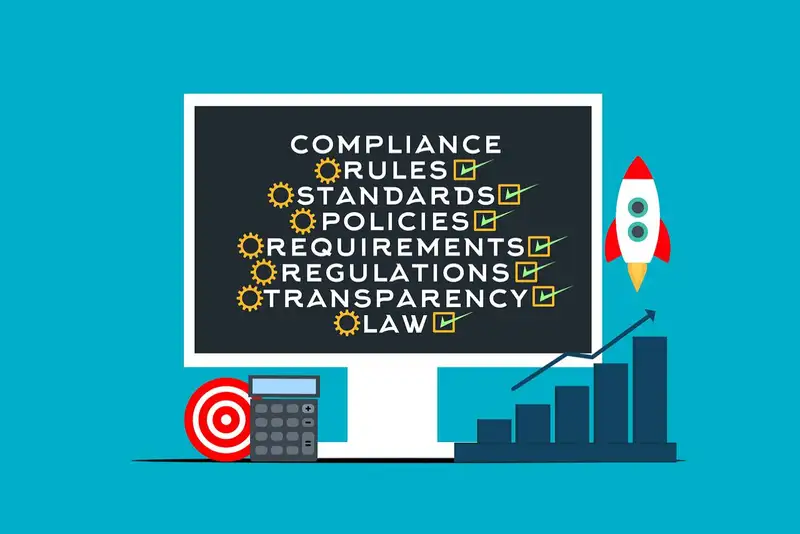
One key requirement is overtime regulations. In most places, employees who work more than 40 hours a week must be paid extra for their additional hours. Some states have even stricter rules, requiring overtime pay if an employee works more than a certain number of hours in a single day. Without a reliable scheduling system, it's easy to overlook these limits and accidentally schedule employees for too many hours.
Another important rule is mandatory breaks and meal periods. Many labor laws require employees to have scheduled meal breaks and rest periods based on their shift length. If employees don't receive their required breaks, it can lead to labor law violations.
Some areas also have predictive scheduling laws, which require restaurants to give employees advance notice of their shifts. Last-minute changes can result in extra compensation for employees or penalties for employers.
With all these laws in place, restaurant owners must be careful when creating schedules. Mistakes can be costly, but online scheduling can help by automatically tracking hours, ensuring required breaks, and providing employees with timely schedules. This makes compliance easier and reduces the risk of legal issues.
Empower Your Workforce!
Ensure Compliance with Altametrics!
Automating Overtime and Hour Tracking
Online scheduling helps prevent overtime violations by calculating overtime automatically. Instead of manually tracking employee hours, the system monitors schedules in real time and alerts managers when an employee is about to reach their overtime limit. This allows managers to adjust shifts before extra hours are worked, reducing unnecessary labor costs.
Another key benefit is that these systems help prevent unplanned overtime. Without proper scheduling tools, it's easy for employees to stay a little longer on a shift or cover for someone else without recording it properly. Online scheduling ensures that every extra minute worked is tracked, helping restaurant owners stay compliant with overtime regulations.
In addition to preventing overtime issues, online scheduling makes it easier to keep accurate records of employee hours. If an employee ever questions their paycheck or a labor inspection occurs, restaurant owners can quickly pull up detailed records to verify shift times and wages. This transparency helps protect both the business and its employees.
By automating overtime tracking, restaurant owners can focus on running their business while ensuring they stay compliant with labor laws and avoid costly mistakes.
Managing Breaks and Meal Periods Efficiently
One of the biggest challenges restaurant owners face is manually keeping track of break times, especially during busy hours. When the kitchen is overwhelmed or the dining room is packed, it's easy to overlook break schedules. Online scheduling helps solve this issue by automatically assigning breaks based on labor law requirements. Managers receive alerts when an employee is due for a break, preventing accidental violations.
Another advantage of online scheduling is that it ensures fair and balanced break assignments. Instead of relying on managers to remember who took a break and when, the system keeps a record of all scheduled and completed breaks. This helps prevent situations where some employees don't get their legally required breaks while others take longer or extra breaks.
Additionally, digital scheduling tools allow employees to clock in and out for their breaks, creating accurate records. If an employee claims they were denied a break, restaurant owners can quickly pull up their time records to confirm compliance.
By automating break scheduling, restaurants can stay compliant with labor laws while maintaining a smooth and efficient workflow during peak hours.
Fair Scheduling and Predictive Scheduling Laws

For restaurant owners, keeping up with these laws manually can be time-consuming and prone to errors. This is where online employee scheduling becomes a valuable tool. Digital scheduling systems help ensure compliance by automatically notifying employees of their schedules well in advance. Employees can check their shifts anytime through a mobile app or online portal, reducing confusion and last-minute changes.
Another key advantage of using online scheduling is its ability to prevent unfair scheduling practices. Some restaurants unintentionally overburden certain employees while giving others fewer shifts than they need. A digital system allows managers to distribute shifts more evenly and ensure fairness in scheduling, improving employee satisfaction and reducing turnover.
Additionally, if a shift needs to be changed, an online scheduler can provide an easy way for employees to swap shifts while still following company policies and labor laws. This not only helps maintain compliance but also improves communication between managers and staff.
By automating shift assignments and ensuring compliance with predictive scheduling laws, restaurant owners can avoid legal risks while keeping employees informed and satisfied.
Effortlessly Schedule, Seamlessly Manage
Schedule Like a Pro with Altametrics
Record-Keeping and Audit-Ready Documentation
Online scheduling systems simplify record-keeping by automatically tracking employee schedules and work hours in a secure digital format. Instead of relying on paper timesheets or manual logs, restaurant owners can access detailed records with just a few clicks. These systems store historical data, ensuring that businesses always have a reliable source of proof in case of an audit or employee complaint.
Another benefit of digital record-keeping is reducing human errors. When schedules are managed manually, mistakes like missing time entries or inaccurate break tracking can lead to labor law violations. Online scheduling prevents these issues by logging all work hours automatically, minimizing discrepancies in payroll calculations and compliance reporting.
Additionally, maintaining organized records makes it easier to prepare for labor inspections. If authorities request proof of compliance with overtime laws, break regulations, or predictive scheduling requirements, restaurant owners can quickly generate reports and provide accurate documentation.
By using an online scheduling system, restaurants can ensure they meet all record-keeping requirements, avoid compliance risks, and streamline administrative tasks, allowing them to focus on running their business efficiently.
Employee Rights and Flexibility in Scheduling
Online scheduling systems make it easier for employees to access their schedules in advance, request time off, and swap shifts without disrupting operations. Instead of relying on managers to approve every change manually, employees can handle shift swaps through the system while staying within company policies. This helps maintain compliance with labor laws while improving overall employee satisfaction.
Flexibility in scheduling also ensures that employees are not overworked or scheduled unfairly. Some restaurants may unintentionally schedule the same employees for late-night shifts followed by early morning shifts, a practice known as "clopening," which can violate fair workweek laws in some areas. Online scheduling tools prevent these issues by automatically flagging scheduling conflicts and ensuring compliance with labor regulations.
Additionally, providing employees with fair and predictable schedules helps reduce absenteeism and improves morale. When workers know they have a reliable and transparent scheduling process, they are more likely to be engaged and productive.
By using online scheduling to support employee rights and scheduling flexibility, restaurant owners can stay compliant with labor laws while fostering a more positive and efficient work environment.
Summary
With digital scheduling, restaurant owners can ensure employees receive their required breaks, prevent excessive overtime, and provide schedules well in advance to comply with predictive scheduling laws. The system also helps maintain audit-ready records, making it easier to prove compliance if needed. Additionally, by giving employees more control over their schedules through shift swapping and time-off requests, restaurant owners can improve workplace satisfaction while staying within legal guidelines.
By integrating an online scheduling system, restaurant owners can avoid costly fines, reduce administrative workload, and create a more organized and efficient workplace. In today's fast-paced restaurant industry, adopting technology that simplifies labor law compliance is not just an advantage - it's a necessity. Using an online scheduling system ensures both legal compliance and a well-balanced, satisfied workforce, ultimately contributing to a more successful and smoothly run restaurant.
Take Charge of Your Schedule
Smarter Scheduling Made Easy with Altametrics
Frequently
Asked Questions
How does online scheduling ensure employees get their required breaks?
Can online scheduling prevent overtime violations?
What are predictive scheduling laws, and how does online scheduling help?
Is online scheduling secure for storing employee work data?
Must-Read Content

Why Do Restaurant Staff Quit? Common Reasons and How to Prevent Them
Restaurant staff quit because of low wages, poor management, burnout, and scheduling issues. Learn practical strategies to improve retention and reduce turnover.

How to Get More Customers in a Restaurant
Learn how to get more customers in a restaurant through local marketing, social media, promotions, customer reviews, loyalty programs, and retention strategies.
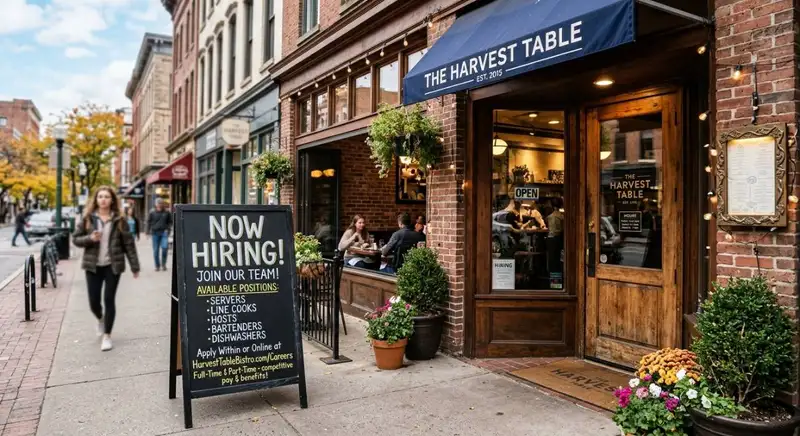
How to Maintain Hiring Compliance Across Multiple Restaurant Locations
Restaurant groups can maintain hiring compliance by standardizing processes, centralizing records, assigning ownership, training managers, adapting to local laws, auditing regularly, and using technology for ongoing monitoring.