
Importance of Time and Attendance Software
Time and attendance software helps restaurant owners track when employees clock in and out, manage breaks, and calculate overtime, all in one central system. Gone are the days of relying on paper timesheets or manually entering hours into payroll systems, this software ensures that employee work hours are captured accurately and in real-time. As a result, restaurant owners can focus on running their business without the constant worry of payroll mistakes or disputes.
The right time and attendance software offers features designed specifically for the fast-paced restaurant environment, where employee shifts often fluctuate, and compliance with labor laws is crucial. For example, the software can automatically calculate overtime or alert managers if employees miss breaks, ensuring that wage and hour regulations are met. Moreover, it integrates seamlessly with payroll systems, making it easy to transfer time data for accurate paycheck processing.
By implementing this technology, restaurants not only streamline payroll but also improve overall efficiency. Employees are paid accurately for the time they've worked, reducing potential frustrations and fostering a more positive work environment. Additionally, with the automation of time tracking, restaurant owners and managers can save valuable time, reduce payroll costs, and focus on delivering a great dining experience to customers. Time and attendance software is an essential tool for modern restaurant operations.
Real-Time Employee Tracking

Real-time tracking allows restaurant owners and managers to monitor employee attendance as it happens. With this feature, employees can clock in and out using a digital system that records the exact time of their arrival and departure. This eliminates the need for manual timesheets or punch cards, both of which can lead to inaccuracies or be subject to manipulation. With real-time tracking, there's an immediate and precise record of each employee's working hours, ensuring that payroll is based on accurate data.
For restaurants, where schedules often change rapidly, the ability to track time in real-time provides significant benefits. Managers can quickly see if an employee has forgotten to clock in, left early, or worked overtime. This level of visibility enables timely adjustments to staffing or schedules, preventing understaffing during peak hours or ensuring that labor costs do not spiral out of control due to unplanned overtime.
Additionally, real-time tracking integrates directly with payroll systems, which means that the hours worked are automatically calculated and transferred for payment processing. This not only ensures that employees are paid accurately for their time but also reduces the administrative burden on managers, who no longer need to manually verify hours worked.
All-in-One Workforce Management Solution
Easily Record Every Time Punch with Altametrics
Overtime and Break Calculation
Overtime calculation is one of the most valuable features of these systems. Labor laws typically require employees to be paid at a higher rate after exceeding a certain number of hours per week or day. Managing this manually can be challenging, especially when dealing with multiple employees, different shift lengths, and varying schedules. With time and attendance software, this complexity is eliminated. The software automatically tracks employee hours and calculates overtime based on the specific regulations of the restaurant's location and any unique policies set by the employer. This not only saves time but also ensures that employees are paid correctly and that the restaurant stays compliant with overtime laws, avoiding potential fines and disputes.
In addition to overtime, tracking breaks is another critical feature for ensuring accurate payroll and legal compliance. Many local regulations require employees to take specific breaks, such as meal periods or rest breaks, during their shifts. Failing to provide or track these breaks can lead to legal issues and financial penalties. A time keeping app or time and attendance software can monitor when employees take their breaks and ensure they receive the appropriate unpaid or paid break time. If an employee misses a break, the system can alert managers, allowing them to address the issue promptly.
This automated tracking of breaks helps prevent labor law violations and ensures that employees are treated fairly, improving morale and minimizing the risk of payroll disputes. For restaurant owners, this means they can focus on running their business while having confidence that their staff is being compensated accurately and in compliance with all relevant laws.
By automating the calculations for both overtime and breaks, time and attendance software streamlines payroll processes, reduces human error, and keeps restaurants compliant with labor regulations.
Integration with Payroll Systems
One of the key benefits of this integration is the reduction of manual entry errors. In traditional payroll systems, managers often have to manually input employee hours from paper records or spreadsheets, which can lead to mistakes. These errors not only cause frustration among employees, who may not receive accurate pay, but also create more work for restaurant owners, who need to resolve disputes or correct payroll inaccuracies. By using integrated time and attendance software, this risk is significantly reduced, as employee hours are recorded and transferred directly into the payroll system, eliminating the need for manual data entry.
Additionally, integration with payroll systems simplifies the payroll process by streamlining the way hours worked are calculated. Time keeping software can automatically capture clock-in and clock-out times, track breaks, and calculate overtime. This information is then seamlessly transmitted to the payroll system, where wages are calculated according to the employee's rate, ensuring that each employee is paid accurately for the time they worked. This automation saves restaurant owners and managers considerable time that would otherwise be spent cross-referencing hours and calculating pay manually.
Moreover, integrated systems ensure compliance with labor laws, such as tracking overtime and ensuring breaks are properly accounted for. The automated transfer of time data into the payroll system ensures that labor law requirements are consistently followed, reducing the risk of non-compliance penalties.
For restaurant owners, the ability to integrate time keeping software with payroll systems means they can focus on their day-to-day operations rather than spending time on administrative payroll tasks. This efficiency leads to more accurate payments, satisfied employees, and a smoother, less stressful payroll process.
Mobile Accessibility
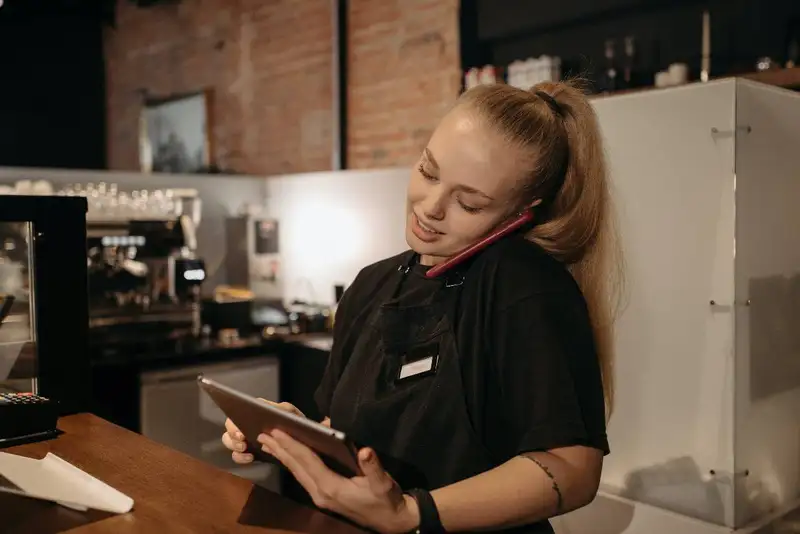
For employees, mobile accessibility allows them to easily clock in and out directly from their smartphones. This feature eliminates the need for physical time clocks, which can become a bottleneck during busy times or shift changes. Employees can log their hours as soon as they arrive or leave, regardless of their location. This flexibility is particularly useful for restaurants with multiple locations or for staff working off-site, such as catering teams. Additionally, mobile clock-ins ensure that employees are accurately paid for the time they work, reducing the chance of missed clock-ins or forgotten log-outs, which can lead to payroll discrepancies.
For managers, mobile accessibility offers the ability to monitor attendance on the go. In a busy restaurant environment, where managers are constantly on the move, having access to real-time attendance data via a mobile device is invaluable. Managers can easily check who has clocked in, who is late, and who may be approaching overtime, all from their phone. This feature allows them to make quick decisions, such as reassigning shifts or calling in additional staff during peak hours, ensuring that the restaurant is always properly staffed.
Mobile accessibility in time and attendance systems also improves efficiency by reducing administrative burdens. Managers no longer need to be physically present at a desktop computer to review attendance or approve timesheets. They can handle these tasks remotely, which is particularly useful in restaurants that operate late hours or have staff working around the clock.
Capture Every Punch with Precision
Elevate Your Hospitality Operations with Altametrics
Customizable Reporting
One of the primary benefits of customizable reporting is its ability to offer detailed visibility into labor costs. Restaurant owners can generate reports that break down labor expenses by department, shift, or individual employee. This information is vital for understanding how much labor is being spent during specific periods, such as peak hours or slow days. Armed with this data, owners can identify opportunities to optimize staffing levels, ensuring that they are neither overstaffing nor under-staffing at crucial times. Customizable reports can also highlight patterns of overtime, allowing restaurant managers to adjust schedules and reduce unnecessary labor costs.
In addition to labor cost analysis, customizable reports offer insights into attendance trends. For instance, restaurant owners can generate reports to track which employees frequently arrive late, take unscheduled breaks, or call in sick. These insights allow managers to address attendance issues proactively, leading to better workforce management and more accurate payroll data. Identifying patterns in attendance also helps with shift planning, allowing managers to assign more reliable employees to critical shifts.
The ability to customize payroll reports also ensures that restaurant owners can focus on specific metrics that matter to their business. For example, a work schedule calculator can be integrated into the reporting, allowing owners to view how schedules impact labor costs and attendance. This data-driven approach makes it easier to make informed payroll decisions, such as adjusting wage rates, tweaking schedules, or introducing incentive programs for high-performing employees.
Employee Self-Service Portal
For employees, the self-service portal allows them to monitor their own work hours, verify their clock-ins and clock-outs, and review their schedules without needing to ask managers for assistance. This visibility into their time records helps employees ensure they are being accurately compensated for their hours worked. If any discrepancies occur, such as missed clock-ins or overtime miscalculations, employees can catch them early and bring them to management's attention, preventing future payroll issues.
The portal also allows employees to access their pay stubs and review their earnings, taxes, and deductions at any time. This easy access reduces the need for employees to request this information from their managers or the HR department, saving time and avoiding frustration. Additionally, it allows employees to plan and budget based on their confirmed earnings. In the restaurant industry, where schedules and wages can change frequently, this access is particularly valuable for hourly workers.
From a management perspective, the employee self-service portal saves considerable time and effort. Without this feature, restaurant owners and managers might spend a significant amount of time answering payroll-related inquiries, correcting timesheets, or distributing pay stubs. By allowing employees to resolve many of these issues themselves, the portal reduces the number of payroll inquiries and minimizes the back-and-forth communication between employees and management. Furthermore, integrating a work hours calculator app into the portal can help employees keep track of their hours worked, calculate expected pay, and stay informed about their work schedules.
Compliance with Labor Laws
One of the most significant benefits of this software is its ability to automate wage and overtime calculations according to labor regulations. Labor laws often require specific wage rates for overtime hours worked beyond a certain threshold, and manually tracking these can be prone to errors. Time and attendance software automatically tracks when employees qualify for overtime and calculates their pay accordingly, reducing the risk of underpayment or miscalculations that could lead to non-compliance.
The software also tracks employee breaks, ensuring that mandatory rest and meal breaks are taken in accordance with local labor laws. Some regulations require employees to take certain breaks based on their shift length, and failure to provide these breaks can result in legal penalties. Automated systems can monitor these requirements and notify managers if an employee misses a break, allowing corrective action to be taken in real-time.
Additionally, the software helps restaurant owners maintain accurate records of employee hours and payments, which is essential in the event of a labor audit or dispute. By automating the tracking and reporting of hours worked, overtime, and breaks, restaurant owners have comprehensive documentation to demonstrate compliance with all relevant labor laws.
In summary, time and attendance software ensures compliance with labor regulations by automating the tracking of wages, overtime, and breaks. These automated compliance features not only help restaurant owners avoid costly legal issues and fines but also ensure that employees are paid fairly and accurately.
Ensure Every Time Punch is Recorded Seamlessly
Perfect Time Management with Altametrics
Frequently
Asked Questions
How does employee time and attendance software help with wage law compliance?
How does automated overtime calculation benefit restaurant owners?
Can employees access their own time records through time and attendance software?
How does employee time and attendance software improve employee satisfaction?
Must-Read Content

Why Do Restaurant Staff Quit? Common Reasons and How to Prevent Them
Restaurant staff quit because of low wages, poor management, burnout, and scheduling issues. Learn practical strategies to improve retention and reduce turnover.

How to Get More Customers in a Restaurant
Learn how to get more customers in a restaurant through local marketing, social media, promotions, customer reviews, loyalty programs, and retention strategies.
How to Maintain Hiring Compliance Across Multiple Restaurant Locations
Restaurant groups can maintain hiring compliance by standardizing processes, centralizing records, assigning ownership, training managers, adapting to local laws, auditing regularly, and using technology for ongoing monitoring.