Unified Menu Channel
However, managing a unified menu across multiple platforms presents several challenges for restaurant owners. One common challenge is the need to adapt menu items and descriptions to fit different formats, such as physical menus, digital boards, and mobile apps. Each platform may have different display requirements, making it difficult to maintain a consistent look and feel. Additionally, prices may vary between dine-in and delivery services due to factors like delivery fees or packaging costs, complicating the management process.
Another significant challenge is keeping the menu updated across all channels. Restaurants frequently update their menus to introduce new items, adjust prices, or accommodate seasonal changes. Ensuring these updates are consistently reflected across all platforms requires meticulous attention and coordination, especially if different systems are used for dine-in, takeout, and delivery orders.
Furthermore, integrating new technologies, such as online ordering systems and delivery apps, can be daunting. Restaurant owners must ensure that these systems are compatible with their existing menu management processes, which may involve investing in new software or training staff. The complexity of managing multiple menus can lead to inconsistencies, operational inefficiencies, and ultimately, a fragmented customer experience. Overcoming these challenges is essential for providing a seamless, unified experience that meets customer expectations and enhances overall restaurant operations.
Understanding the Need for a Unified Menu
A unified menu also plays a vital role in efficiency in management. By maintaining a single, adaptable menu, restaurant operators can streamline their processes significantly. Instead of updating multiple menus individually, they can make changes in one central location, ensuring that all platforms are updated simultaneously. This reduces the risk of discrepancies between different versions of the menu, which can lead to customer confusion and dissatisfaction. Moreover, it simplifies the training process for staff, who need only to be familiar with one menu set rather than multiple versions.
The operational benefits of a unified menu extend to inventory management as well. When the same items are consistently offered across all channels, it becomes easier to predict demand and manage stock levels effectively. This helps in reducing food waste and optimizing purchasing decisions, as the restaurant can better anticipate which items will be popular across all platforms.
Additionally, a unified menu allows for more effective marketing strategies. Promotions, special offers, and seasonal items can be highlighted consistently across all channels, creating a cohesive marketing message. This unified approach not only enhances the customer's perception of the brand but also maximizes the impact of promotional efforts. In summary, a unified menu is not just a matter of convenience; it's a strategic asset that enhances brand consistency, operational efficiency, and overall customer satisfaction.
Simplify Multi-Channel Ordering
Get started with Altametrics to streamline your POS!
Designing a Flexible Menu Structure
Item descriptions are critical as they provide customers with a clear understanding of what to expect. These descriptions should be concise yet informative, highlighting key ingredients, flavors, and preparation methods. This not only aids customers in making informed choices but also enhances the appeal of the dishes. Categorization is another essential element, as it helps organize the menu logically, making it easy for customers to navigate. Common categories include appetizers, main courses, desserts, and beverages. Additionally, having separate sections for special dietary needs, such as vegan, gluten-free, or allergen-free options, can cater to a broader audience and show sensitivity to dietary restrictions.
Pricing transparency is crucial for maintaining trust and ensuring a seamless customer experience. Prices should be consistent across all platforms, reflecting any additional costs such as packaging for takeout or delivery. Clearly stating prices helps avoid confusion and ensures customers are not surprised by unexpected charges.
Adapting the menu to different platforms, such as physical menus, websites, and mobile apps, requires careful consideration. Physical menus should be easy to read and visually appealing, while online menus need to be mobile-friendly and optimized for quick loading. For digital platforms, interactive features like clickable categories and filters for dietary preferences can enhance user experience. Additionally, ensuring that the menu is compatible with various devices and screen sizes is essential for accessibility.
Pricing Strategies for Multi-Channel Menus
Consistent pricing across channels also simplifies the management process for restaurant owners. By having a unified pricing structure, it becomes easier to update and communicate any changes, such as seasonal price adjustments or new item additions. This reduces the administrative burden of managing separate price lists for each channel and minimizes the risk of discrepancies that could lead to customer confusion or dissatisfaction.
However, there are situations where dynamic pricing may be beneficial, particularly in the context of delivery apps or special promotions. Dynamic pricing involves adjusting prices based on certain factors, such as demand, time of day, or special events. For example, a restaurant might offer discounted prices during off-peak hours to attract more customers or increase prices slightly during peak times to manage demand and cover additional costs associated with delivery.
Implementing dynamic pricing requires careful consideration and management. It is essential to clearly communicate any price changes to customers to maintain transparency and avoid misunderstandings. Additionally, leveraging technology, such as integrated point-of-sale systems and menu management software, can help automate and streamline the dynamic pricing process, ensuring that changes are applied consistently across all platforms.
Optimizing Menu Items for Various Platforms

In addition to visual appeal and descriptions, portion sizes and packaging are critical factors to consider, particularly for delivery and takeout orders. Proper portion sizing ensures that customers receive consistent servings, which is vital for maintaining satisfaction and perceived value. Overly large portions can lead to increased costs and waste, while too-small portions may disappoint customers. Striking the right balance is key to optimizing the menu for all service modes, including dine-in and off-premise options.
Packaging is another essential element, especially in the context of order management for takeout and delivery. The packaging must preserve the quality and temperature of the food, preventing issues like sogginess or spillage. It should also be easy to handle, environmentally friendly, and clearly labeled with the dish name and any relevant dietary information. This attention to detail not only enhances the customer experience but also streamlines the order management process by ensuring that orders are accurate and presented professionally.
Streamline Operations
Control Menus, Items, and Prices Seamlessly with Altametrics
Leveraging Technology for Menu Management
Online platforms, including websites and mobile apps, extend this real-time management capability beyond the physical premises, reaching customers wherever they are. These platforms not only display current menu offerings but also provide interactive features such as customization options, dietary filters, and real-time availability status. This enhances the customer experience by making it easier for them to find and order exactly what they want, thereby increasing satisfaction and loyalty.
A critical aspect of leveraging technology for menu management is the integration with the POS system. A well-integrated POS system allows for seamless synchronization between the digital menu and the actual offerings available in the restaurant. This integration ensures that any changes made to the menusuch as price adjustments, item additions, or removalsare reflected instantly across all channels, including digital menu boards, online ordering systems, and even third-party delivery apps. This consistency is vital for maintaining accurate inventory tracking, preventing order discrepancies, and ensuring smooth operations.
Moreover, an integrated POS system provides valuable data insights into sales patterns, popular items, and customer preferences. This data can be used to refine the menu further, optimize pricing strategies, and plan promotions effectively. By leveraging these technological tools, restaurants can enhance their operational efficiency, provide a better customer experience, and ultimately drive increased sales and profitability.
Regularly Updating and Reviewing the Menu
To make informed decisions during these reviews, gathering and analyzing customer feedback is essential. This feedback offers valuable insights into customer preferences, satisfaction levels, and areas for improvement. Restaurants can collect feedback through various channels, such as comment cards, online surveys, social media interactions, and direct conversations with guests. Digital tools and platforms, like customer relationship management (CRM) systems, can also facilitate the collection and analysis of feedback by compiling reviews and ratings from different sources.
Once collected, it's important to analyze this feedback systematically. Look for recurring themes or specific comments about particular dishes, portion sizes, pricing, or overall dining experience. This data can highlight which menu items are popular and which may need adjustment or replacement. For instance, if multiple customers comment on the lack of vegetarian options, it might be time to introduce new plant-based dishes. Similarly, feedback about portion sizes or pricing can inform adjustments to ensure customer satisfaction and perceived value.
Incorporating customer feedback into menu updates not only enhances the relevance of the offerings but also demonstrates that the restaurant values its patrons' opinions. This responsiveness can strengthen customer loyalty and attract new guests, as people are more likely to frequent a restaurant that listens to and acts on their feedback. Ultimately, regular menu updates and the integration of customer insights are key strategies for maintaining a vibrant and successful restaurant.
Recap of Key Points
One of the key strategies for achieving this unified approach is utilizing a comprehensive menu maker tool. A menu maker can streamline the process of designing and managing menus by allowing restaurant owners to easily update items, descriptions, and prices across all channels from a single platform. This tool also aids in creating visually appealing presentations and organizing the menu logically, making it easier for customers to navigate and find what they are looking for.
Additionally, the integration of menus with POS systems is vital for maintaining real-time accuracy and consistency. By syncing the menu across all digital and physical touchpoints, restaurants can ensure that any changes are immediately reflected, reducing the risk of discrepancies and errors. This integration also enhances inventory management and operational efficiency, allowing for better tracking of sales and popular items.
Regularly reviewing and updating the menu is another crucial aspect of maintaining its relevance and appeal. Scheduling regular reviews helps in identifying which items are performing well and which may need to be adjusted or replaced. Gathering and analyzing customer feedback plays a significant role in this process, providing valuable insights into customer preferences and expectations.
In summary, a unified menu supported by tools like a menu maker and integrated with POS systems can significantly enhance a restaurant's operational efficiency and customer satisfaction. By focusing on consistency, regular updates, and responsiveness to customer feedback, restaurants can ensure they offer a compelling and cohesive dining experience across all platforms.
Centralize Your Menus Today!
Manage Everything In One Place with Altametrics
Frequently
Asked Questions
What are the key components of a flexible menu structure?
What is the role of pricing strategies in multi-channel menus?
What's the best way to gather customer feedback on my menu?
How can a menu maker tool help in managing my restaurant's menu?
Must-Read Content

Why Do Restaurant Staff Quit? Common Reasons and How to Prevent Them
Restaurant staff quit because of low wages, poor management, burnout, and scheduling issues. Learn practical strategies to improve retention and reduce turnover.

How to Get More Customers in a Restaurant
Learn how to get more customers in a restaurant through local marketing, social media, promotions, customer reviews, loyalty programs, and retention strategies.
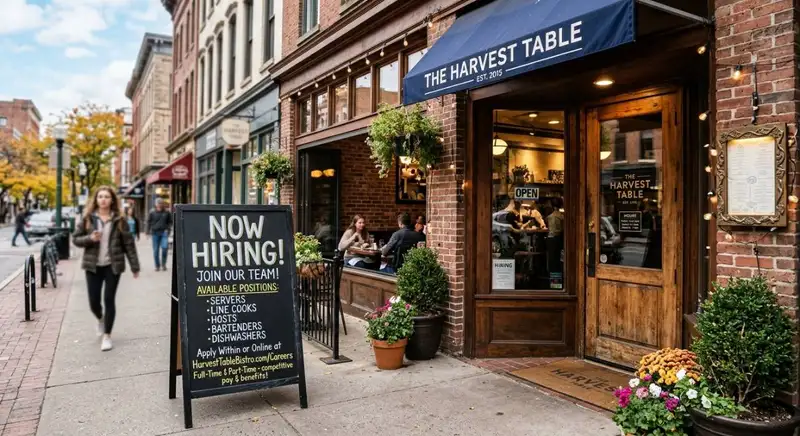
How to Maintain Hiring Compliance Across Multiple Restaurant Locations
Restaurant groups can maintain hiring compliance by standardizing processes, centralizing records, assigning ownership, training managers, adapting to local laws, auditing regularly, and using technology for ongoing monitoring.