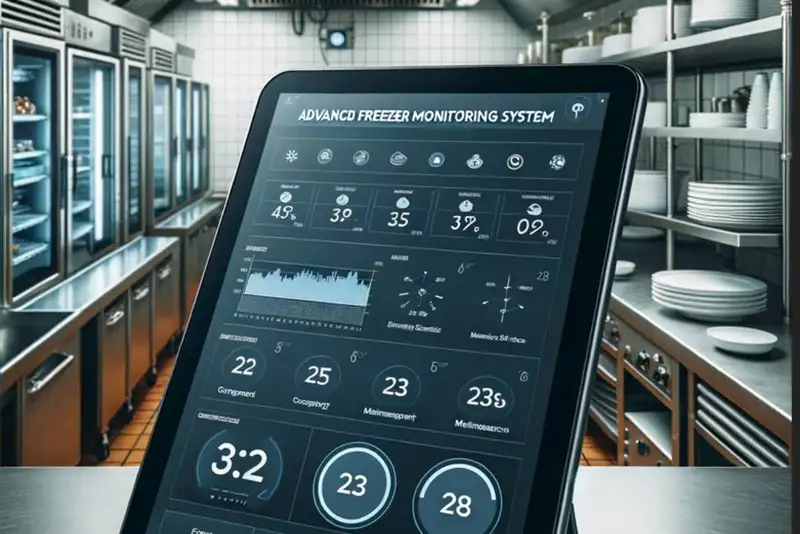
Importance of Freezer Monitoring
The connection between diligent freezer monitoring and the adherence to food safety compliance is a direct one. Local and federal food safety standards meticulously outline the required conditions for food storage, particularly frozen goods, to prevent the onset of conditions conducive to food spoilage and the growth of dangerous microbes. Continuous monitoring ensures these standards are not just met but maintained consistently, mitigating the risk of non-compliance which can result in severe legal and financial consequences for restaurants.
Moreover, the role of freezer monitoring extends beyond regulatory compliance. It is a pivotal element in the broader objective of public health preservation, aiming to prevent foodborne illnesses that can devastate individuals and tarnish the reputation of businesses implicated in such outbreaks. The Centers for Disease Control and Prevention (CDC) estimates that each year, 48 million people get sick, 128,000 are hospitalized, and 3,000 die of foodborne diseases in the United States alone. Given these staggering figures, the imperative for rigorous freezer monitoring becomes clear.
Restaurants, thus, employ freezer monitoring as a dual-purpose tool- it is both a shield against the financial and legal ramifications of non-compliance and a safeguard for public health. By ensuring that frozen foods are stored at safe temperatures, restaurants can significantly reduce the risk of contributing to foodborne illnesses, demonstrating their commitment to customer safety and quality service. In this light, continuous freezer monitoring is not just a regulatory obligation but a critical component of responsible restaurant management, underscoring the importance of such practices in today's culinary landscape.
Understanding Food Safety Regulations
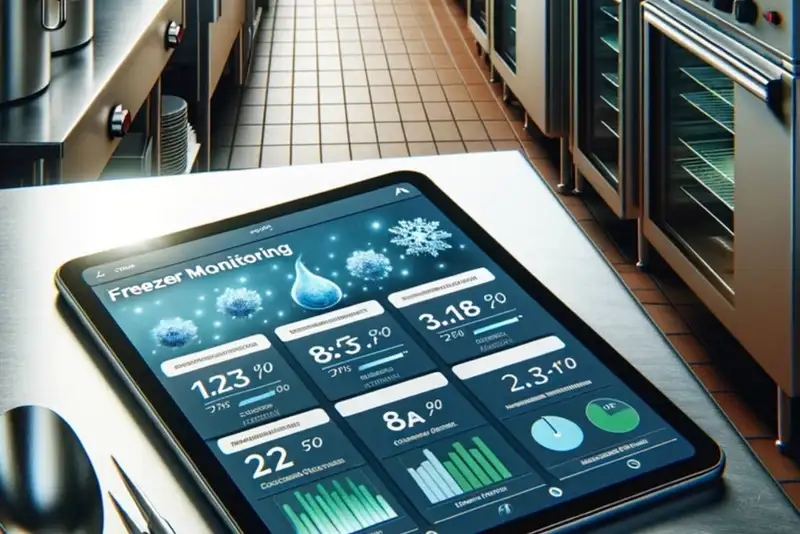
At the heart of these regulations is the recognition of the critical role that temperature control plays in food safety. Both the Food and Drug Administration (FDA) and the United States Department of Agriculture (USDA) set forth guidelines that specify safe storage temperatures for frozen foods, typically at or below 0F (-18C). These standards are not arbitrary; they are grounded in scientific understanding of microbial growth and its suppression at low temperatures. Freezers maintained at these temperatures significantly slow down or halt the growth of bacteria, viruses, and molds, thereby reducing the risk of foodborne illnesses.
The intricacies of food safety regulations regarding refrigeration can vary slightly between jurisdictions but generally revolve around a few key principles. Firstly, they mandate the continuous monitoring and recording of temperatures within refrigeration units to ensure they remain within safe limits. This is coupled with requirements for regular maintenance and calibration of refrigeration equipment to guarantee its accuracy and reliability.
Understanding how freezer temperatures impact food safety standards involves recognizing the relationship between temperature and microbial activity. Most pathogenic microorganisms thrive at temperatures between 40F (4C) and 140F (60C), a range known as the "danger zone." Freezing food significantly slows down the enzyme activity that causes food spoilage, and more importantly, it inhibits the growth of pathogenic microorganisms. However, not all microorganisms are completely inactivated by freezing, which is why maintaining consistent freezer temperatures is crucial even for frozen foods.
Compliance with these regulations is not just a matter of legal necessity; it is a critical component of food safety management in restaurants. By adhering to established temperature guidelines, restaurants can significantly mitigate the risk of contributing to foodborne disease outbreaks. It underscores the importance of a thorough understanding of food safety regulations related to refrigeration, both for compliance and for the assurance of offering safe, high-quality food to consumers.
Secure Your Supply, Safeguard Your Standards
Total Hospitality Safety with Altametrics
The Role of Continuous Freezer Monitoring
At its core, continuous freezer monitoring involves the deployment of sensors within freezer units that measure temperature at regular intervals, 24/7. These sensors are typically linked to a centralized monitoring system that can alert staff in real-time if temperatures deviate from the set safe range. This system not only records data for compliance verification but also enables immediate corrective action, which is vital for preventing potential food safety breaches.
The distinction between manual checks and automated monitoring systems is significant, reflecting a shift from reactive to proactive management of food safety. Manual temperature checks, while traditional, rely on staff to periodically record freezer temperatures, often only a few times a day. This method introduces a risk of human error and can lead to significant gaps in temperature data, potentially missing critical fluctuations that could compromise food safety.
In contrast, automated monitoring systems offer several advantages. First and foremost, they provide continuous, real-time data, eliminating the blind spots inherent in manual checking procedures. This means that any deviation from the optimal temperature range is detected instantly, allowing for swift action to rectify the issue before any damage can occur to the stored food. Additionally, automated systems often come with features like historical data analysis, enabling restaurants to identify trends or recurring issues with equipment that may require maintenance or replacement.
Moreover, the use of automated freezer monitoring systems can significantly enhance a restaurant's compliance with food safety regulations. By maintaining an accurate and tamper-proof record of temperature data, these systems facilitate a smoother process during health inspections and can serve as evidence of due diligence in maintaining food safety standards.
Preventing Foodborne Illnesses
The danger posed by improper freezer temperatures is twofold. Firstly, temperatures that are too high can fail to inhibit the growth of pathogenic bacteria, such as Salmonella, Listeria, and E. coli, which are known contributors to foodborne illness. These microorganisms can multiply rapidly at temperatures above the freezing point, turning otherwise safe food into potential vectors of disease. Secondly, fluctuating freezer temperatures can cause food to thaw and refreeze, which can compromise food quality and safety. This cycle can alter the texture and integrity of food, making it more susceptible to bacterial contamination and growth.
Continuous monitoring plays a crucial role in mitigating these risks, offering a reliable and efficient means to ensure that freezer temperatures remain stable and within safe parameters. By employing automated systems that continuously track temperature changes, restaurant owners can instantly be alerted to deviations that could signify a malfunctioning freezer unit or a door left ajar. This immediate feedback allows for quick corrective action, such as adjusting the thermostat or conducting necessary repairs, before any significant temperature abuse occurs that could lead to food spoilage or the proliferation of bacteria.
Moreover, the role of continuous monitoring extends beyond just real-time alerts. It provides a comprehensive record of temperature data over time, which can be invaluable for identifying trends or patterns that might indicate a need for equipment maintenance or replacement. By proactively addressing these issues, restaurants can prevent situations that might lead to the growth of harmful bacteria and the subsequent risk of foodborne illness.
The adoption of continuous freezer monitoring systems represents a proactive approach to food safety, one that prioritizes the prevention of foodborne illnesses by ensuring the integrity of frozen foods through the maintenance of optimal storage conditions. This technology not only safeguards public health but also supports restaurant owners in maintaining compliance with food safety regulations and upholding their establishment's reputation for quality and safety.
Complying with Health Department Inspections

Health department inspections related to refrigeration are meticulous and thorough, focusing on whether foods are stored at safe temperatures to prevent the growth of pathogenic organisms. Inspectors look for reliable systems that restaurants use to monitor and record temperatures, ensuring that they consistently stay within required limits. This scrutiny extends to the maintenance of the equipment itself, verifying that it is in good working order and capable of maintaining the necessary cold environment to keep food safe.
Continuous monitoring systems come into play as an invaluable tool in meeting these rigorous standards. By automatically tracking and recording temperatures around the clock, these systems provide an indisputable record of compliance. This continuous data collection is crucial during inspections, as it offers tangible evidence that a restaurant has maintained the required temperature controls effectively. The ability to present this data can significantly streamline the inspection process, demonstrating due diligence and commitment to maintaining food safety protocols.
Moreover, the implementation of automated monitoring systems can preemptively address potential issues before they escalate into health code violations. By receiving instant alerts when temperatures deviate from the set range, restaurant staff can take immediate corrective action, thus averting situations that could lead to food safety breaches. This proactive approach not only aids in disease control by preventing conditions that could lead to foodborne illness outbreaks but also positions the restaurant as a vigilant and compliant establishment in the eyes of health department inspectors.
Elevate Efficiency, Ensure Safety
Altametrics Delivers on Every Front
Energy Efficiency and Cost Savings
Freezers operating inefficiently can become a significant financial burden on a restaurant. Inefficiencies may arise from a range of issues, such as poor sealing, overstocking, frequent door openings, or the simple aging of the equipment. Each of these factors can cause the freezer to work harder than necessary, consuming more energy to maintain the required low temperatures for safe food storage. Continuous monitoring systems equipped with sensors and energy management software can pinpoint these inefficiencies by analyzing energy consumption patterns and identifying any deviations that suggest the equipment is operating outside optimal parameters.
Addressing these inefficiencies not only contributes to energy conservation but also directly impacts the bottom line through reduced utility bills. For instance, repairing or replacing door seals to prevent cold air from escaping can markedly decrease energy consumption. Similarly, implementing a more efficient stock rotation can minimize the need for the freezer to recover from frequent temperature fluctuations, further saving energy.
Moreover, optimizing freezer performance extends beyond immediate energy savings. It can also prolong the lifespan of the equipment by reducing wear and tear on critical components, thus saving costs on expensive repairs or replacements in the long run. Restaurants can achieve these savings and operational efficiencies without compromising food safety or quality, aligning with broader environmental sustainability goals.
The potential for energy savings and reduced operational costs through optimized freezer performance is significant. Continuous monitoring plays a crucial role in achieving these efficiencies, offering a clear insight into how freezers are performing and where improvements can be made. By leveraging technology to monitor and improve freezer operations, restaurants can enjoy not only enhanced food safety and compliance but also a more sustainable and cost-effective business model.
Maintenance and Longevity of Equipment
Continuous monitoring systems, by their design, offer a detailed, real-time insight into the performance of refrigeration equipment. These systems are capable of identifying deviations not just in temperature but also in other critical parameters that could indicate potential problems, such as fluctuations in power consumption, compressor activity, and overall system efficiency. Such granular visibility into equipment operation allows for a more proactive maintenance strategy. Instead of relying on a reactive, often schedule-driven maintenance approach, restaurant owners can shift towards condition-based maintenance, where actions are taken in response to actual equipment conditions and performance data.
This early detection of issues is pivotal in extending the lifespan of refrigeration equipment. Minor problems, when identified early, can usually be resolved with minimal intervention, preventing them from escalating into major failures that could necessitate costly repairs or even replacement of the unit. For instance, a gradual increase in power consumption could indicate the onset of compressor wear or refrigerant leakage, both of which can be addressed more effectively if caught early. Furthermore, maintaining equipment in optimal condition not only prolongs its operational life but also ensures it operates within its most efficient range, reducing wear and tear on components.
Moreover, the impact of continuous monitoring extends to the scheduling of maintenance activities. With detailed performance data, maintenance can be planned during periods of low activity, minimizing operational disruptions and ensuring that refrigeration units are functioning optimally when demand is highest. This strategic approach to maintenance not only enhances the reliability and efficiency of refrigeration equipment but also contributes to significant cost savings over time.
Implementing a Continuous Monitoring System
Steps to Select and Install a Monitoring System
1. Assessing Needs - The first step involves evaluating the specific requirements of your restaurant's refrigeration units. Consider factors such as the size of the freezer, the type of food stored, and compliance with local food safety regulations.
2. Researching Options - Next, research the various continuous monitoring systems available in the market. Look for systems that are designed specifically for commercial kitchen environments and that offer the features you need.
3. Consulting with Vendors - Engage with vendors to discuss your needs and explore their solutions. Ask for demonstrations or case studies that show how their system has been implemented in similar settings.
4. Installation - Choose a system and proceed with installation. This step often involves setting up sensors inside the freezer and connecting them to the central monitoring unit. Ensure that the installation is carried out by a professional to avoid any issues.
5. Training Staff - Finally, train your staff on how to use the monitoring system effectively, including how to respond to alerts and access temperature data.
Key Features to Look for in a Freezer Monitoring Solution
1. Real-time Alerts - The system should provide real-time alerts via SMS or email if the temperature deviates from the set range, allowing for immediate action.
2. Data Logging - Look for systems that offer continuous data logging, which is essential for compliance with food safety regulations and can aid in identifying trends or issues with refrigerator performance.
3. User-friendly Interface - The system should have a user-friendly interface that allows easy access to temperature data and system settings.
4. Refrigerator Thermometer Integration - An effective monitoring system should seamlessly integrate with a refrigerator thermometer, ensuring accurate temperature readings and alerts if the equipment falls out of the desired temperature range.
5. Durability and Reliability - Given the harsh environment of commercial kitchens, choose a system known for its durability and reliability.
6. Scalability - Consider whether the system can be easily scaled up or adapted as your restaurant's needs change over time.
Implementing a continuous monitoring system with these features in mind will provide restaurant owners with peace of mind, knowing that their refrigeration units are under constant surveillance, thus ensuring food safety, regulatory compliance, and operational efficiency.
Stay Ahead of Safety
Altametrics Balances Workforce and Wellness
Frequently
Asked Questions
Can freezer monitoring systems be integrated with existing restaurant management software?
What are the key features to look for in a freezer monitoring system?
How can freezer monitoring systems aid in health department inspections?
What types of restaurants can benefit from freezer monitoring systems?
Must-Read Content

10 Employee Retention Strategies for Restaurant Owners
Restaurant owners can cut turnover by paying fairly, onboarding well, scheduling flexibly, promoting growth, recognizing effort, offering meaningful benefits, listening to feedback, and hiring carefully for fit.
How to Reduce Supply Costs in Your Restaurant
Cut restaurant supply costs by understanding spending, auditing expenses, engineering menus, negotiating with suppliers, controlling inventory, reducing waste, and using technology to monitor everything continuously.

The Ultimate Guide to Managing Food Allergens in Restaurants
Food allergens require accurate labeling, employee training, cross-contact prevention, safe food handling, and consistent procedures to protect customers and improve restaurant safety.