What makes a restaurant customer loyal?
Customers often become loyal when they consistently receive good food, reliable service, convenient ordering, personalized experiences, and value that meets their expectations.
How to Turn First-Time Customers Into Loyal Guests

Create a Strong First Impression
A first-time customer begins forming an opinion about your restaurant before they take their first bite. The appearance of the entrance, cleanliness of the dining area, speed of the greeting, employee attitude, and overall atmosphere can all influence whether that customer wants to return.
Start by making sure the restaurant feels clean, organized, and welcoming. Tables should be ready, restrooms should be maintained, menus should be clean, and employees should acknowledge guests quickly. Even during busy periods, a simple greeting can reassure customers that they have been noticed.
The ordering experience also matters. Employees should understand the menu well enough to answer questions, explain ingredients, and make recommendations without creating unnecessary delays. Orders should be entered accurately, food should arrive within a reasonable timeframe, and dishes should match the quality and presentation customers expect.
Restaurant owners should also pay attention to small details that can shape the overall experience. These may include music volume, lighting, temperature, parking convenience, and how quickly empty plates are cleared.
Most importantly, consistency matters. A strong first impression should not depend on which manager or employee happens to be working. Clear service standards, employee training, opening checklists, and regular manager walkthroughs can help create a dependable guest experience.
When first-time customers receive good food, attentive service, and a smooth overall experience, they have a stronger reason to choose your restaurant again. That first visit becomes the starting point for turning occasional customers into loyal guests.
Deliver Consistently Great Customer Service
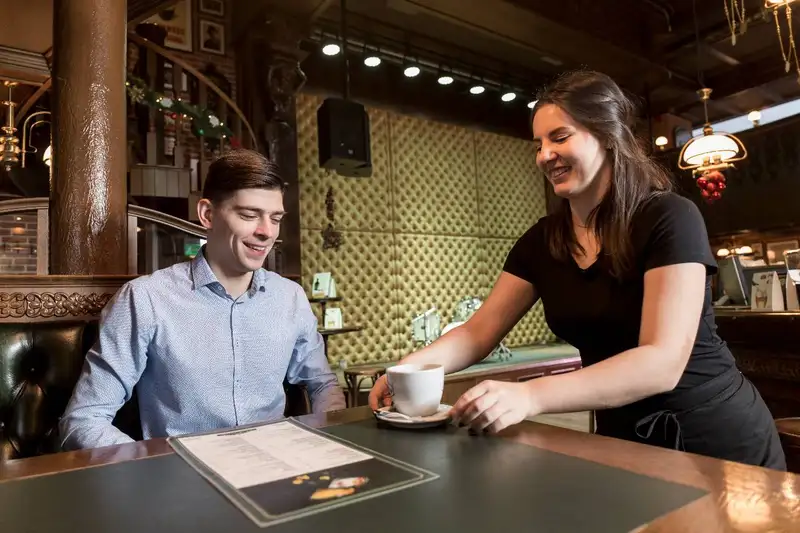
Great customer service is one of the strongest reasons a first-time customer may decide to return. While food quality is essential, guests also remember how employees treated them, how quickly problems were handled, and whether the overall experience felt smooth and welcoming.
Restaurant owners should establish clear service standards for every stage of the guest experience. Employees should know how quickly to greet customers, when to check on tables, how to answer menu questions, and how to handle special requests. Consistent service expectations help reduce differences between shifts and employees.
Training also plays an important role. Front-of-house employees should understand the menu, ingredients, common allergens, promotions, and restaurant policies. This knowledge allows them to answer questions confidently and provide useful recommendations without making customers wait for assistance.
Employees should also be trained to recognize signs that a guest may be dissatisfied. A delayed order, incorrect item, or missing request should be addressed quickly rather than ignored. Managers can give employees clear guidelines for when they can replace an item, offer an alternative, or involve a supervisor.
Small interactions can have a significant impact as well. Remembering a guest's request, thanking them sincerely, checking whether their meal met expectations, and acknowledging them when they leave can make the experience feel more personal.
When first-time customers feel respected, attended to, and confident that they will receive the same quality experience on their next visit, they are more likely to become loyal guests.
Learn and Remember Guest Preferences
Turning first-time customers into loyal guests becomes easier when restaurants understand what those customers actually prefer. Instead of relying on assumptions, restaurant owners can use guest data to create more relevant and personalized experiences.
Start by collecting information through systems customers already use, such as the POS, online ordering platform, loyalty program, reservation system, or customer database. Depending on the technology available, restaurants may be able to track -
1. Order history - Which menu items a customer purchases most often.
2. Visit frequency - How often a customer returns and how much time passes between visits.
3. Average check - How much the customer typically spends per transaction.
4. Ordering channel - Whether they prefer dine-in, takeout, delivery, or direct online ordering.
5. Visit timing - The days and times when they are most likely to order.
6. Promotion response - Which offers, rewards, or messages generate repeat purchases.
For example, if data shows that a customer frequently orders vegetarian items, future promotions can focus on relevant menu choices rather than sending generic offers. If another customer regularly orders lunch on Fridays, a targeted Friday lunch promotion may be more useful than a broad discount.
Restaurant owners should also monitor broader patterns. Comparing first-visit behavior with second-visit behavior can reveal which products, promotions, or experiences are most closely associated with repeat business.
Tracking preferences allows restaurants to make marketing and service more relevant, helping first-time customers feel recognized rather than treated like anonymous transactions.
When restaurants consistently use guest data to improve personalization, they create stronger relationships that can gradually turn new customers into loyal guests.
Make the Dining Experience Personal
Personalization can help a first-time customer feel recognized rather than treated like just another transaction. Restaurant owners do not need a complicated system to create a more personal experience. Small, relevant interactions can make a meaningful difference.
Employees can start by paying attention to guest cues. If a customer mentions that it is their first visit, staff can recommend popular dishes, explain how the menu works, or point out signature items. If a guest shares a dietary preference or special request, employees should make an effort to remember and accommodate it whenever possible.
Restaurants can also use customer data to personalize future interactions. Information from loyalty programs, online ordering platforms, reservation systems, and POS technology may help identify favorite menu items, previous purchases, birthdays, visit frequency, and ordering preferences.
Personalization may include -
- Recommending dishes based on previous orders.
- Sending birthday or anniversary offers.
- Promoting menu items that match known preferences.
- Recognizing returning customers by name.
- Providing relevant loyalty rewards.
- Sending promotions based on previous purchasing behavior.
However, personalization should remain useful and appropriate. Sending too many messages or using customer information in ways that feel intrusive can have the opposite effect. Restaurant owners should focus on relevance rather than volume.
The same principle applies inside the restaurant. Employees should be encouraged to engage naturally rather than follow rigid scripts. A sincere greeting, thoughtful recommendation, or remembered preference can make the experience feel more genuine.
When customers feel that a restaurant understands their preferences and values their business, they have another reason to return. Over time, these personalized interactions can strengthen the relationship and help turn first-time customers into loyal guests.
Give Customers a Reason to Return
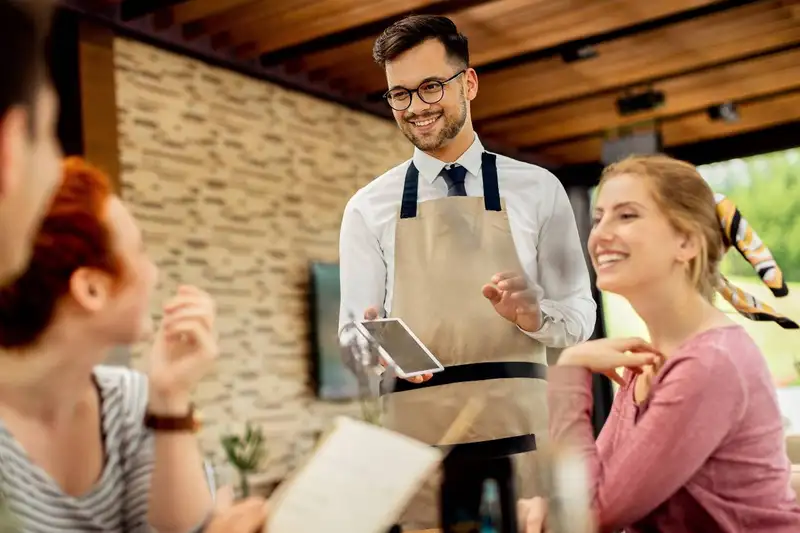
A positive first visit is important, but restaurant owners also need to give new customers a clear reason to come back. The goal is to create enough value, curiosity, or incentive that choosing your restaurant again feels easy.
One approach is to provide a bounce-back offer after the first visit. This might include a discount on the next order, a free appetizer with a qualifying purchase, or bonus loyalty points that expire within a set period. A limited redemption window can encourage customers to return sooner rather than postponing another visit indefinitely.
Restaurants can also create repeat interest without relying entirely on discounts. Consider promoting -
1. Limited-time menu items that give customers something new to try.
2. Seasonal specials that create urgency and variety.
3. Loyalty rewards tied to visits or spending.
4. Upcoming events such as themed nights or special menus.
5. New product launches that encourage customers to return.
6. Exclusive offers for email, SMS, or loyalty program subscribers.
The incentive should support profitable behavior. Restaurant owners should track metrics such as offer redemption rate, second-visit rate, average check, and time between visits to understand which promotions actually generate valuable repeat business.
It is also important to make the next visit convenient. Include clear ordering links in follow-up messages, make loyalty rewards easy to redeem, and avoid complicated promotional rules that create friction.
Ultimately, customers should have more than one reason to return. Great food and service create the foundation, while timely incentives and fresh experiences provide an additional push. When restaurants consistently give first-time customers relevant reasons to come back, they can increase the likelihood of turning those customers into loyal guests.
Build Relationships Beyond the Restaurant
The relationship with a customer should not end when they pay the bill or leave the restaurant. Follow-up marketing gives restaurant owners a way to stay connected with first-time customers and encourage them to return.
Start by giving customers simple opportunities to join your email list, SMS program, or loyalty program. Sign-up prompts can appear on receipts, online ordering pages, QR codes, or at checkout. The value of joining should be clear, whether that means receiving rewards, learning about new menu items, or getting access to special offers.
Once customers opt in, restaurants can use several channels to maintain the relationship -
1. Email marketing - Share new menu items, seasonal promotions, restaurant updates, and personalized offers.
2. SMS marketing - Send timely reminders, limited-time deals, loyalty rewards, or event announcements.
3. Social media - Keep customers engaged with menu updates, behind-the-scenes content, and restaurant news.
4. Direct online ordering - Encourage customers to order through restaurant-owned channels that make repeat purchases easier.
5. Loyalty programs - Track visits and reward customers for continuing to choose the restaurant.
Follow-up communication should be relevant rather than excessive. Restaurants can segment customers based on purchase history, visit frequency, location, or preferred ordering channel so messages better match individual interests.
For example, a customer who first visited for lunch may respond better to a lunch promotion than a late-night offer. Someone who placed a takeout order may be more interested in a direct online ordering incentive.
Restaurant owners should monitor email open rates, click-through rates, SMS redemption rates, repeat orders, and customer retention to determine which channels and messages are generating results.
Consistent communication keeps the restaurant visible between visits. When follow-up marketing is timely, useful, and personalized, it can help turn a single transaction into an ongoing relationship with loyal guests.
Collect Feedback and Resolve Problems
Customer feedback gives restaurant owners a direct way to understand what first-time guests liked, what caused frustration, and what may prevent them from returning. Even a strong restaurant experience can include mistakes, so the way those problems are handled can influence whether a customer gives the business another chance.
Restaurants can collect feedback through digital surveys, receipt links, QR codes, online reviews, loyalty apps, and direct conversations with managers or employees. The process should be simple so customers can share their experience without completing a lengthy questionnaire.
Pay particular attention to recurring issues involving -
- Long wait times
- Incorrect orders
- Food quality or temperature
- Employee service
- Restaurant cleanliness
- Online ordering problems
- Billing or payment issues
When a complaint occurs, employees should respond quickly. Acknowledge the concern, clarify what happened, and provide an appropriate solution. Depending on the situation, that could mean replacing an item, correcting a charge, remaking an order, or involving a manager.
Restaurant owners should also track feedback trends rather than treating every complaint as an isolated incident. If several customers mention slow service during the same daypart, for example, the problem may involve staffing, scheduling, kitchen capacity, or workflow.
Metrics such as customer satisfaction scores, review ratings, complaint frequency, resolution time, and repeat visits after a complaint can help owners evaluate whether service recovery efforts are working.
Most importantly, feedback should lead to action. When customers see that concerns are taken seriously and problems are resolved efficiently, a disappointing moment does not necessarily have to end the relationship. Effective service recovery can help preserve trust and give first-time customers another reason to return as loyal guests.
Measure and Improve Guest Retention
Restaurant owners need to measure whether their efforts are actually turning first-time customers into loyal guests. Without tracking retention, it can be difficult to know which service improvements, promotions, or marketing strategies are generating repeat visits.
Start by monitoring a few key customer retention metrics -
1. Repeat visit rate - The percentage of customers who return after their first visit.
2. Customer retention rate - The percentage of customers who continue visiting over a specific period.
3. Purchase frequency - How often returning customers make a purchase.
4. Average check - Whether repeat customers spend more, less, or about the same over time.
5. Loyalty program participation - How many customers enroll, earn rewards, and redeem offers.
6. Customer lifetime value - The estimated revenue a customer generates throughout their relationship with the restaurant.
Restaurant owners can also compare different customer groups. For example, measure whether customers who join a loyalty program return more frequently than those who do not, or whether first-time customers who receive a follow-up offer are more likely to make a second purchase.
Look beyond individual metrics and identify patterns. If repeat visits decline after a menu change, service issue, or price adjustment, investigate the possible cause. If certain promotions consistently produce second visits, consider using similar strategies more often.
The most useful data should lead to action. Review retention metrics regularly, test different approaches, and adjust the guest experience based on what the numbers reveal.
Turning first-time customers into loyal guests is an ongoing process rather than a one-time campaign. By combining strong service, personalization, relevant follow-up marketing, and measurable retention strategies, restaurant owners can build stronger customer relationships and create more dependable repeat business.

Inventory management
How to Conduct a Food Waste Audit in Your Restaurant
Software integration
Smart Ways to Use AI in Your Restaurant

Employee scheduling
Employee Time Tracking Tips for Restaurants
Employee scheduling
7 Scheduling Mistakes Restaurant Owners Should Stop Making

Employee scheduling
Human Resource Management for Restaurants
Employee scheduling
Common Payroll Challenges in Restaurants

Sales forecasting
How to Use Restaurant Analytics to Improve Profitability

Restaurant management
The Complete Guide to Restaurant Reputation Management

Accounting payroll
Restaurant Cash Handling Procedures
Frequently Asked Questions
How can email marketing help build loyal guests?
Email marketing allows restaurants to stay connected with customers by sharing personalized offers, new menu items, promotions, loyalty rewards, and restaurant updates.
What is a repeat visit rate?
Repeat visit rate measures the percentage of customers who return to the restaurant after a previous visit. It can help owners evaluate customer retention efforts.
How can restaurants increase the frequency of repeat visits?
Restaurants can increase visit frequency through consistent experiences, personalized promotions, loyalty rewards, seasonal menu changes, convenient ordering, and relevant follow-up communication.
How can restaurants personalize the customer experience?
Restaurants can use order history, loyalty data, guest preferences, birthdays, visit frequency, and other information to provide more relevant recommendations, rewards, and marketing messages.