




Overview
A workforce management solution helps hotels handle these challenges by automating scheduling, tracking employee hours, and predicting staffing needs. Instead of guessing how many employees are needed, managers can use data to create accurate schedules. These systems also help prevent overtime by alerting managers before employees exceed their regular hours. With better scheduling, hotels can reduce labor costs without cutting corners on service quality.
By using the right tools, hotels can keep labor costs under control while ensuring employees are scheduled efficiently to meet business demands.
The High Cost of Inefficient Labor Management in Hotels
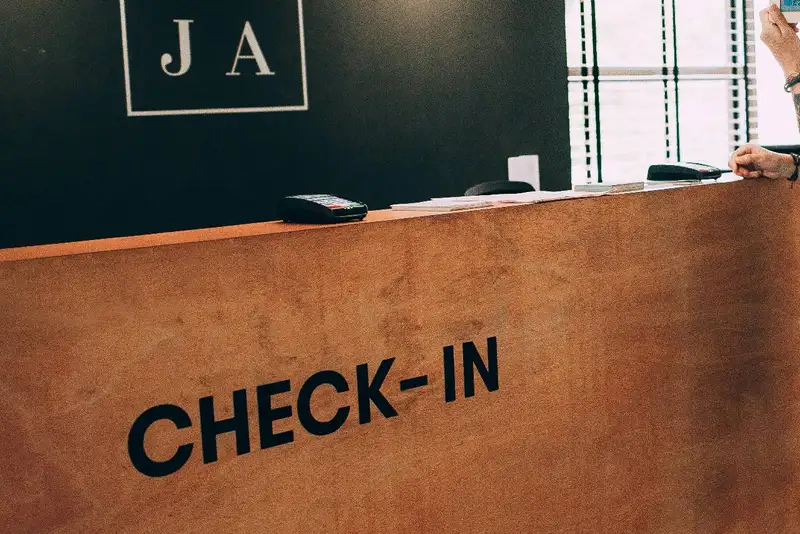
One of the biggest challenges is last-minute scheduling adjustments. Without a proper system, managers may not have real-time visibility into employee availability or expected demand. This can lead to rushed decisions, such as calling in extra staff when they aren't needed or assigning overtime to employees when a part-time worker could have covered the shift instead.
Another issue is payroll errors. Manually tracking employee hours and processing wages increases the risk of mistakes, such as overpaying or underpaying staff. These errors not only impact the hotel's finances but also lead to employee dissatisfaction and high turnover. Additionally, improper tracking of breaks and overtime can cause compliance issues, resulting in fines or legal troubles.
High turnover is another hidden labor cost. When employees leave due to inconsistent schedules or excessive workloads, hiring and training replacements become expensive. Hotels must spend time and money recruiting, on-boarding, and training new workers, all of which could have been avoided with better labor management.
By improving scheduling, tracking hours accurately, and preventing unnecessary overtime, hotels can significantly cut labor costs while maintaining a well-balanced and productive workforce.
Effortlessly Schedule, Seamlessly Manage
Schedule Like a Pro with Altametrics
Optimizing Shift Scheduling
With automated scheduling, managers can ensure they have the right number of employees working at the right times. The system analyzes past data, expected occupancy rates, and seasonal trends to predict staffing needs. This prevents overstaffing during slow periods and ensures enough staff are available during peak hours. Instead of relying on guesswork, managers can use real data to create accurate schedules, which reduces labor waste and improves efficiency.
Another benefit of optimized scheduling is the reduction of last-minute shift changes. Without a proper system, managers often struggle to fill shifts when employees call out or request time off. This can lead to overtime costs when full-time employees are asked to work extra hours to cover gaps. A workforce management solution can quickly identify available part-time employees or those within their regular work hours to fill in, reducing the need for costly overtime.
In addition, allowing employees to view their schedules in advance and request shift swaps through an automated system improves communication and reduces scheduling conflicts. With better shift management, hotels can lower payroll expenses, improve staff satisfaction, and ensure smooth daily operations.
Reducing Overtime
A workforce management solution helps reduce unnecessary overtime by tracking employee hours in real time and setting limits on overtime hours. These systems send alerts when an employee is approaching overtime, allowing managers to adjust schedules before extra costs are incurred. Instead of assigning extra hours to full-time staff, managers can use the system to find available part-time employees who can fill in without exceeding regular working hours.
Another common issue is inefficient shift coverage. When a hotel is short-staffed due to last-minute call-outs or scheduling mistakes, managers may have no choice but to ask employees to work overtime. With an automated scheduling system, shifts can be filled more efficiently, reducing the need to rely on overtime as a solution.
Compliance with labor laws is also important. Many regions have strict overtime regulations, and failing to track employee hours correctly can lead to penalties or legal issues. A workforce management solution ensures that overtime is accurately recorded and helps managers stay compliant with labor laws.
By controlling overtime and making smarter scheduling decisions, hotels can significantly lower labor costs while maintaining proper staffing levels to deliver quality guest service.
Enhancing Labor Forecasting

One of the key benefits of a workforce management system is its ability to analyze past occupancy rates and sales patterns to predict future labor needs. By reviewing data from previous months or years, managers can anticipate busy seasons, holidays, and special events that require extra staff. Similarly, they can identify slower periods where fewer employees are needed, avoiding unnecessary labor costs.
These systems also provide real-time updates, allowing managers to adjust staffing levels based on daily demand. For example, if reservations for a particular weekend are lower than expected, the system can recommend reducing scheduled staff to prevent overstaffing. Conversely, if unexpected demand arises, managers can quickly find available employees to cover additional shifts without relying on expensive last-minute overtime.
Another advantage of accurate labor forecasting is improved employee scheduling. When employees know their schedules well in advance and experience fewer last-minute changes, job satisfaction increases, leading to lower turnover rates. A well-balanced staff ensures better service for guests while keeping labor expenses under control.
By leveraging labor forecasting tools within a workforce management solution, hotels can make data-driven decisions that optimize staffing efficiency and reduce unnecessary labor costs.
All-in-One Workforce Management Solution
Easily Record Every Time Punch with Altametrics
Minimizing Administrative Work
One of the biggest inefficiencies in manual labor management is the time spent creating schedules. Hotel managers must manually assign shifts, track employee availability, and make last-minute adjustments when employees request time off or call in sick. This process is time-consuming and often leads to overstaffing or understaffing. With an automated workforce management system, schedules can be generated based on labor demand, employee availability, and business needs, eliminating guesswork and reducing unnecessary labor expenses.
Payroll processing is another area where hidden labor costs can add up. Manually tracking hours, calculating wages, and ensuring compliance with labor laws increases the chances of payroll errors, which can result in overpayments, legal penalties, or employee dissatisfaction. A workforce management solution automatically records employee hours, integrates with payroll systems, and ensures that wages are calculated correctly, minimizing costly mistakes.
Additionally, a self-service feature allows employees to request time off, swap shifts, and check their schedules without involving a manager for every change. This reduces the administrative burden on management while improving communication and employee satisfaction.
By minimizing time-consuming administrative tasks, hotels can cut hidden labor costs and allow managers to focus on more strategic operations, ultimately improving efficiency and profitability.
Improving Employee Productivity and Reducing Turnover Costs
One of the biggest factors affecting employee morale in the hospitality industry is unpredictable scheduling. Employees who receive their schedules late or frequently experience last-minute changes may feel undervalued and frustrated. Workforce management solutions allow employees to view their schedules in advance, swap shifts easily, and request time off without unnecessary complications. When staff members have more control over their work schedules, they are more likely to be engaged and productive.
Another common issue is time theft, such as buddy punching or employees clocking in earlier than scheduled. These small inefficiencies add up over time, increasing payroll expenses. Workforce management software uses automated time tracking, often with biometric or mobile verification, to ensure accurate records of employee work hours. This prevents unnecessary labor costs while keeping staff accountable.
Reducing turnover is another major benefit. When employees feel that scheduling is fair and their workloads are reasonable, they are less likely to leave for another job. Lower turnover means hotels can save money on recruiting and training new employees, leading to a more stable and experienced workforce.
By improving employee productivity and reducing turnover costs, workforce management solutions help hotels maintain a well-balanced, efficient team while keeping labor expenses under control.
Summary
Reducing overtime is another key benefit of workforce management systems. With real-time tracking and alerts, managers can prevent employees from exceeding their regular hours, cutting down on expensive overtime costs. Additionally, automation reduces the administrative workload, allowing managers to focus on more strategic tasks rather than spending hours creating schedules or fixing payroll errors.
Improving employee satisfaction also plays a role in lowering labor costs. When employees have predictable schedules, fair workload distribution, and better communication, morale increases, leading to lower turnover rates. A well-managed workforce not only saves money but also improves service quality, leading to better guest experiences.
By implementing a workforce management solution, hotels can achieve better cost control, increase operational efficiency, and create a more productive work environment, all while maintaining high service standards.
Achieve More with Less Hassle!
Integrate, Manage, and Drive Results with Altametrics
Frequently
Asked Questions
Can hotels manage remote or off-site workers using workforce management software?
How do workforce management solutions support multi-department scheduling?
Does a workforce management system help with meal and break compliance?
How does a workforce management system handle employee leave requests?
Must-Read Content

Why Do Restaurant Staff Quit? Common Reasons and How to Prevent Them
Restaurant staff quit because of low wages, poor management, burnout, and scheduling issues. Learn practical strategies to improve retention and reduce turnover.

How to Get More Customers in a Restaurant
Learn how to get more customers in a restaurant through local marketing, social media, promotions, customer reviews, loyalty programs, and retention strategies.

How to Maintain Hiring Compliance Across Multiple Restaurant Locations
Restaurant groups can maintain hiring compliance by standardizing processes, centralizing records, assigning ownership, training managers, adapting to local laws, auditing regularly, and using technology for ongoing monitoring.

