



Contactless Payments Revolutionizing Restaurants
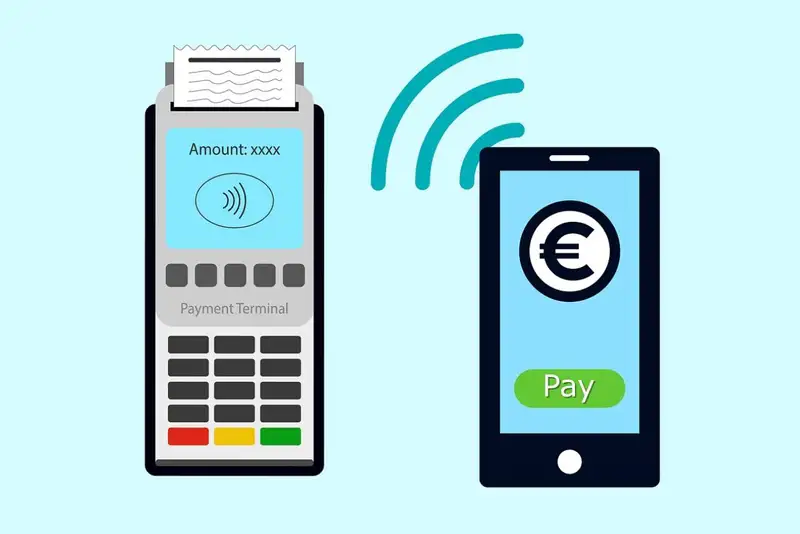
Contactless payments involve the use of Near Field Communication (NFC) technology, which allows customers to complete transactions by simply tapping or waving their NFC-enabled device (e.g., smartphone, smartwatch, or contactless credit card) near a compatible payment terminal. This method of payment offers a range of benefits, including increased transaction speed, improved hygiene, and enhanced security features, making it an attractive option for both customers and businesses alike.
In the restaurant industry, the adoption of contactless payment methods has become crucial to meeting the evolving needs of customers. With an increasing number of consumers prioritizing convenience and safety in their dining experiences, contactless Card Payments and digital wallets are quickly becoming the new standard. This shift towards contactless technology also signifies an essential change in restaurant credit card processing, as businesses must adapt to new systems and software to accommodate these payment methods.
The future of restaurant credit card processing will be shaped by the continued growth and development of contactless payment technology. With advancements in NFC technology and digital wallet applications, restaurants will need to stay informed and adjust their payment processing systems accordingly. Best Credit Card Processing practices will require a comprehensive understanding of both contactless and traditional payment options, ensuring a seamless experience for customers.
This article will delve into the various aspects of contactless payments and their impact on the restaurant industry. We will explore the benefits of implementing contactless payment options, discuss strategies for integrating these technologies with existing Point of Sale (POS) systems, address potential challenges and concerns, and examine the role of contactless payments in shaping the future of restaurant credit card processing. By understanding and embracing these emerging trends, restaurants can enhance their operations, improve customer satisfaction, and ultimately, thrive in a rapidly evolving marketplace.
Contactless Payment Technologies in Restaurants
NFC-enabled devices, such as smartphones and smartwatches, have gained significant traction in recent years. By incorporating NFC technology, these devices can communicate with compatible card readers at payment terminals, allowing for a swift and seamless transaction process. For restaurants, implementing NFC-enabled card readers as part of their POS systems is essential to accommodate this increasingly popular payment method. Many merchant services providers offer card processing solutions that include NFC compatibility, making it easier for restaurants to adopt this technology.
Contactless credit and debit cards are another prominent form of contactless payment. These cards come with an embedded chip and antenna, which enable them to communicate with compatible card readers at payment terminals. By simply tapping or waving their contactless card near the reader, customers can complete their transactions quickly and securely. As with NFC-enabled devices, accommodating contactless cards requires restaurants to invest in compatible card readers and POS systems.
QR code payments are also gaining popularity in the restaurant industry. In this method, a unique QR code is generated for each transaction, which customers can scan using their smartphones to initiate the payment. This system eliminates the need for physical contact between customers and staff or payment terminals, promoting a safe and hygienic payment experience. Many processing companies and digital wallet providers offer QR code payment solutions that can be easily integrated into existing POS systems.
Digital wallets and mobile apps, such as Apple Pay, Google Pay, and Samsung Pay, have become increasingly popular among consumers due to their convenience and security features. By storing their credit card information in these digital wallets, customers can make contactless payments using their smartphones or smartwatches. Restaurants must ensure their card processing systems and card readers are compatible with these digital wallets to accommodate this growing trend.
Adopting these contactless payment technologies may come with additional processing fees or require investments in compatible POS system hardware. However, the benefits often outweigh the costs, as these technologies can enhance customer experience, streamline transactions, and ultimately contribute to a restaurant's success. By partnering with the Best Credit Card Processing companies and staying informed about emerging trends, restaurants can ensure they remain competitive in a rapidly evolving industry.
Have a Peace of Mind with Your Financials
Simplify Sales Tracking and Payment Processing with Altametrics
Benefits of Implementing Contactless Payments for Restaurants

One of the most significant benefits of implementing contactless payments in restaurants is the improved customer experience. As consumers increasingly value convenience, speed, and safety in their dining experiences, contactless payments offer an attractive solution. The simple tap or wave of a card, smartphone, or smartwatch at a compatible card reader allows for a seamless and hassle-free transaction, enhancing the overall dining experience for customers. By prioritizing customer satisfaction, restaurants can build loyalty and encourage repeat business.
Another notable advantage of contactless payments is faster transaction times. With traditional credit card processing methods, customers and staff may experience delays as cards are swiped, inserted, or manually entered into the payment processor. However, contactless payments eliminate these time-consuming steps, significantly speeding up the transaction process. Faster transactions not only benefit customers but also help restaurants increase table turnover rates and potentially boost revenue.
The enhanced security features associated with contactless payments also contribute to their growing popularity. Contactless cards and digital wallets utilize tokenization and encryption technologies, which protect sensitive customer data and reduce the risk of fraud. As a result, adopting contactless payments can help restaurants mitigate potential losses related to fraud and maintain a positive reputation. Selecting the right card processor and national processing services provider is crucial in ensuring that these security measures are effectively implemented.
Lastly, contactless payments promote better hygiene practices. In the wake of the COVID-19 pandemic, concerns around health and safety have become more prominent than ever. By minimizing physical contact between customers, staff, and payment terminals, contactless payments support a cleaner and more hygienic dining environment. This can be particularly appealing to health-conscious customers and contribute to a restaurant's overall appeal.
While the adoption of contactless payments may involve additional card processing fees and investments in compatible equipment, the benefits they provide often outweigh these costs. By carefully evaluating pricing structures and partnering with reliable card processing companies, restaurants can successfully implement contactless payment solutions and reap the rewards of a more efficient, secure, and customer-focused payment experience.
Integrating Contactless Payments with Existing POS Systems
Upgrading to contactless-ready POS terminals is an essential step in the integration process. These terminals come equipped with the necessary hardware, such as NFC-enabled card readers, to accept contactless transactions from smartphones, smartwatches, and contactless credit cards. When selecting a POS terminal, it is vital to choose one that is compatible with popular digital wallets and payment apps, ensuring that a wide range of contactless payment options are supported. Many credit card processing companies offer bundled solutions for restaurants, which can include contactless-ready POS terminals as part of their best credit card processing packages.
In addition to upgrading the hardware, restaurants must also ensure that their POS systems' software is up-to-date and compatible with contactless payment technologies. This may involve installing software updates or working closely with the POS provider to enable contactless payment functionality. Compatibility is essential, as it allows for seamless communication between the POS system, the payment processors, and the merchant account, ensuring that transactions are processed smoothly and efficiently. In some cases, small business owners may need to consult with their POS provider to determine if additional software or integrations are required to support contactless payments.
Staff training and support is another critical aspect of integrating contactless payments into a restaurant's POS system. As contactless payments become more prevalent, it is crucial for restaurant staff to understand how to operate the new terminals, troubleshoot issues, and address customer inquiries. This may involve conducting training sessions, providing educational materials, or offering ongoing support to ensure that employees are comfortable and confident in handling contactless transactions. In addition, staff should be trained to recognize the various contactless payment methods, such as digital wallets and QR code payments, and understand the different interchange rates and fees associated with each.
By investing in contactless-ready POS terminals, ensuring software compatibility, and providing staff training and support, restaurants can successfully integrate contactless payments into their existing POS systems. This transition will enable them to better serve their customers, streamline their payment processes, and ultimately, stay competitive in an ever-evolving industry.
Addressing Concerns and Challenges
Consumer adoption and education is a critical aspect of implementing contactless payments in restaurants. While many customers are already familiar with these payment methods, some may still be hesitant to use them or may lack the necessary knowledge. Restaurant owners should prioritize educating their customers about the benefits of contactless payments, such as improved convenience, speed, and security. This may involve displaying signage at the payment terminal or providing information on menus and promotional materials. Excellent customer service can also help ease customers into using contactless payments and ensure a positive experience.
The initial technology costs and return on investment are common concerns for restaurant owners when adopting contactless payment systems. Upgrading to contactless-ready POS terminals and investing in software updates can require a significant upfront investment. However, the long-term benefits of faster transaction times, increased customer satisfaction, and potential for higher volume often outweigh the initial costs. By carefully evaluating their technology needs and working with customer support from their POS provider, restaurants can make informed decisions and optimize their return on investment.
Payment processing fees and pricing structures also play a significant role in the decision to adopt contactless payments. Various pricing models are available, such as flat rate, interchange plus, and tiered pricing, each with its pros and cons. High-volume restaurants may benefit from interchange plus pricing, while smaller establishments may prefer the simplicity of a flat rate. Restaurant owners should carefully compare different payment processing providers, taking into account transaction fees, monthly fees, and customer support, to select the best option for their needs.
Lastly, managing chargebacks and disputes can be a challenge for businesses adopting contactless payment methods. To minimize the risk of chargebacks, restaurant owners should ensure that their payment terminals are compliant with the latest security standards and follow best practices for processing contactless transactions. Additionally, maintaining clear communication with customers and providing exceptional customer service can help resolve disputes before they escalate into chargebacks.
By addressing these concerns and challenges proactively, restaurants can successfully implement contactless payments and position themselves for success in a rapidly evolving industry. With careful planning and a commitment to continuous improvement, the benefits of contactless payments can far outweigh the potential challenges.
Streamline Recording and Reconciliation
Take Charge of Your Financials with Altametrics
Contactless Payments and the Impact on Customer Loyalty

Personalized rewards and loyalty programs have become increasingly popular in the restaurant industry as a means of driving customer engagement and encouraging repeat visits. Contactless payments and digital wallets can facilitate the implementation and management of these programs, allowing customers to seamlessly earn and redeem rewards through their preferred payment method. By offering customized incentives, such as discounts, special offers, or exclusive perks, restaurants can create a tailored experience for their patrons and foster a sense of loyalty. Many credit card processors offer integrated loyalty program solutions, simplifying the process for restaurant owners looking to adopt this strategy.
Utilizing customer data for targeted marketing is another effective way to enhance customer loyalty. With contactless payments, restaurants can gather valuable insights about their patrons' preferences, spending habits, and visit frequency. This information can be used to create targeted marketing campaigns aimed at promoting new menu items, special events, or limited-time offers that cater to the unique tastes and preferences of individual customers. By personalizing their marketing efforts, restaurants can build stronger connections with their patrons and ensure their offerings remain relevant and appealing. It is essential, however, to work closely with the point of sale and processing company to ensure compliance with data privacy regulations when handling customer information.
Building trust through secure and convenient payment options is a key factor in fostering customer loyalty. Contactless payments offer enhanced security features, such as tokenization and encryption, which protect sensitive customer data and reduce the risk of fraud. By implementing these secure payment methods, restaurants can demonstrate their commitment to safeguarding their patrons' information and promoting a safe dining environment. This, in turn, can help build trust and confidence among customers, making them more likely to return and recommend the establishment to others.
The Role of Contactless Payments in the Future of Restaurant Delivery
Integrating contactless payments with online ordering platforms allows customers to enjoy a seamless and secure payment experience when placing delivery or takeout orders. By enabling contactless payment options such as credit and debit cards, digital wallets, and QR codes on their online platforms, restaurants can cater to a wider range of customer preferences and facilitate faster, more efficient transactions. This can lead to increased order volume, reduced wait times, and ultimately, higher revenue. The restaurant credit card processing partner plays a crucial role in ensuring smooth and secure payment processing for online transactions, so it is vital to choose a reliable provider that understands the unique needs of the restaurant industry.
Expanding the use of mobile apps for order management is another way restaurants can leverage contactless payments to enhance the delivery and takeout experience. Mobile apps can not only facilitate contactless payments but also streamline the entire ordering process by allowing customers to browse menus, customize their orders, track delivery progress, and provide feedback all from their smartphones. By offering a user-friendly mobile app that accepts various card payments, restaurants can create a convenient and engaging experience for their customers, ultimately driving loyalty and repeat business.
The rise of contactless payment-enabled self-service kiosks has the potential to revolutionize the restaurant delivery and takeout landscape. These kiosks allow customers to place their orders and complete transactions using contactless payment methods, reducing the need for human interaction and providing a faster, more efficient ordering process. Self-service kiosks can be particularly beneficial for high-volume establishments or those looking to minimize labor costs. As the technology advances, it is crucial for restaurant owners to consider the fees and pricing models associated with these kiosks, as well as the issuing bank and payment processing partners that support them.
Embracing Contactless Payments
The adoption of contactless payments has already streamlined transactions, improved customer experiences, and enhanced overall efficiency for many restaurants. With the increasing prevalence of smartphones and digital wallets, as well as the growing demand for convenient and secure payment options, the shift towards contactless payments is likely to continue in the foreseeable future. This presents ample opportunities for restaurant owners to innovate and further enhance their payment processes, ensuring they stay ahead of the curve and meet the evolving needs of their customers.
Emerging technologies, such as self-service kiosks, advanced mobile apps, and integrated loyalty programs, are just a few examples of how contactless payment methods can be leveraged to drive innovation and growth in the restaurant industry. As businesses continue to explore these possibilities, they must also remain mindful of the importance of security, customer education, and effective implementation strategies to ensure a seamless transition.
The importance of adapting to new payment methods cannot be overstated, as it directly impacts a restaurant's ability to remain competitive and meet customer expectations. By embracing contactless payment technologies and proactively addressing any challenges that may arise, businesses can position themselves for success in an ever-changing industry. As more and more consumers come to expect the convenience and security offered by contactless payments, it is crucial for restaurant owners to stay ahead of the trend and be ready to adapt to the future of payment processing.
In summary, the contactless payment revolution in the restaurant industry offers exciting opportunities for growth, innovation, and improved customer experiences. By staying informed, embracing new technologies, and adapting to the changing landscape, restaurants can ensure they remain competitive and continue to meet the evolving expectations of their customers.
Simplify Recording Sales, Deposits, Payment Processing Fees
Track Your Store's Performance with Altametrics
Frequently
Asked Questions
Why is restaurant credit card processing important?
What are the main types of contactless payment methods used in restaurants?
How can restaurants integrate contactless payments with their existing POS systems?
How do contactless payments impact restaurant credit card processing?
Must-Read Content

Why Do Restaurant Staff Quit? Common Reasons and How to Prevent Them
Restaurant staff quit because of low wages, poor management, burnout, and scheduling issues. Learn practical strategies to improve retention and reduce turnover.

How to Get More Customers in a Restaurant
Learn how to get more customers in a restaurant through local marketing, social media, promotions, customer reviews, loyalty programs, and retention strategies.

How to Maintain Hiring Compliance Across Multiple Restaurant Locations
Restaurant groups can maintain hiring compliance by standardizing processes, centralizing records, assigning ownership, training managers, adapting to local laws, auditing regularly, and using technology for ongoing monitoring.

