



Overview
Managing food inventory properly can help prevent waste and keep a restaurant running smoothly. When ingredients are tracked and used efficiently, it reduces the chances of throwing away food. This also helps control food costs and ensures that dishes are made with fresh ingredients, improving the overall quality of meals served to customers.
The good news is that reducing food waste doesn't have to be complicated. By following a few simple steps, restaurant owners can make a big difference. This article will cover five best practices for managing food inventory. These include organizing ingredients using the FIFO (First-In, First-Out) method, using tracking tools, performing regular inventory checks, training staff to handle food properly, and adjusting orders based on past data. By making small changes, restaurants can save money, reduce waste, and run more efficiently.
Understanding the Importance of Food Waste Reduction
Beyond financial costs, food waste also has environmental consequences. Discarded food often ends up in landfills, contributing to greenhouse gas emissions as it decomposes. Wasting food also means wasting the water, energy, and labor used to produce and transport it. By managing inventory properly, restaurants can reduce their environmental footprint and operate more sustainably.
Reducing food waste starts with proper planning and organization. Many restaurants over - order supplies, leading to excess stock that expires before it can be used. Others may fail to store food correctly, causing ingredients to spoil too soon. Training staff to handle and store food properly can also prevent unnecessary waste.
Another common issue is poor portion control. Over-sized servings lead to more leftover food, which often gets thrown away. By measuring portions correctly and adjusting recipes based on customer demand, restaurants can reduce waste while keeping customers satisfied.
Food inventory management plays a key role in waste reduction. When restaurant owners track their inventory, they can see which ingredients are used most often, which ones go to waste, and how to adjust orders accordingly. By following simple strategies, restaurants can save money, reduce waste, and run more efficiently.
Elevate Your Restaurant's Operations
Swift Inventory Solutions with Altametrics!
Implementing a FIFO (First-In, First-Out) System
How FIFO Works
FIFO is based on a simple rule- when stocking food items, place newer supplies behind older ones. This way, kitchen staff naturally grabs the oldest ingredients first when preparing dishes. This prevents food from sitting too long and going bad.
For example, if a restaurant receives a new shipment of vegetables, the fresher produce should be placed behind the older stock in the refrigerator. When a cook needs vegetables for a dish, they will take the older ones first, ensuring nothing is wasted.
Why FIFO Matters
Using FIFO has several benefits -
1. Prevents food spoilage - Older ingredients get used first, reducing the risk of food going bad before it's needed.
2. Saves money - Less waste means lower costs on ingredients.
3. Ensures food freshness - Customers receive meals made with the freshest ingredients, improving quality and taste.
4. Simplifies inventory management - Staff can easily see what needs to be used first, making kitchen operations smoother.
Tips for Using FIFO Effectively
-Label all ingredients with their arrival dates to avoid confusion.
-Train staff on FIFO procedures so everyone follows the same system.
-Check expiration dates regularly to ensure no food is forgotten.
-Organize storage areas properly, keeping newer stock behind older items.
By implementing FIFO, restaurants can cut down on food waste, save money, and keep their kitchens running efficiently.
Using Inventory Tracking Tools and Templates
Benefits of Inventory Tracking
A structured inventory management system helps restaurant owners monitor food usage, avoid overordering, and identify trends in ingredient consumption. By regularly tracking what's in stock, it becomes easier to adjust purchasing decisions, ensuring that food is neither wasted nor in short supply.
Types of Inventory Tracking Tools
1. Spreadsheets - Simple inventory templates can be used to log ingredient purchases, track usage, and monitor expiration dates. These are cost-effective but require manual updates.
2. Digital Inventory Software - Many restaurants use specialized software that automatically updates inventory as items are used or received. This minimizes errors and saves time.
3. Physical Count Checklists - Regularly checking and recording stock levels on a printed or digital checklist ensures that nothing is overlooked.
Best Practices for Tracking Inventory
1. Set a Routine - Conduct inventory checks on a daily, weekly, or monthly basis, depending on ingredient turnover.
2. Train Staff - Make sure employees understand how to log and update inventory records accurately.
3. Monitor Expiration Dates - Label all ingredients with purchase and expiration dates to prevent spoilage.
By using inventory tracking tools and templates, restaurant owners can streamline their operations, reduce food waste, and make smarter purchasing decisions.
Conducting Regular Inventory Audits

Why Inventory Audits Matter
Many restaurants lose money due to poor inventory management. Ingredients may be misplaced, expired items may go unnoticed, or staff might use products inconsistently. Regular audits help identify discrepancies between what's recorded and what's actually available, allowing owners to adjust their purchasing and usage patterns accordingly.
How to Conduct an Inventory Audit
1. Set a Schedule - Decide how often to conduct inventory audits. Some restaurants do it weekly, while others perform monthly checks for non-perishable items.
2. Use a Standardized Checklist - Having a structured list ensures that no items are missed. Include details like purchase dates, expiration dates, and current stock levels.
3. Compare Records with Physical Stock - Cross-check actual inventory with digital or written records to spot any differences.
4. Identify and Address Issues - If certain items are consistently overstocked or underused, adjust purchasing habits to better match demand.
5. Remove Expired or Spoiled Food - Immediately discard unusable ingredients to maintain food safety and prevent accidental use in meal preparation.
Regular inventory audits help restaurant owners reduce waste, prevent stock shortages, and ensure that all food is used efficiently. When done consistently, they contribute to better financial management and smoother kitchen operations.
Transform Your Restaurant Operations Now!
Effortless Inventory Tracking with Altametrics!
Training Staff on Proper Food Handling
Why Staff Training Matters
Many food waste issues occur due to improper handling. If perishable items aren't stored at the right temperature, they can spoil quickly. If ingredients aren't labeled correctly, staff may accidentally use newer stock before older items, causing food to expire. Poor portion control and mishandling during preparation can also lead to unnecessary waste.
Key Areas of Food Handling Training
1. Storage Guidelines - Train staff on proper storage temperatures for different food items, including refrigeration, freezing, and dry storage.
2. FIFO Method - Ensure employees understand and follow the First-In, First-Out system to use older stock before newer inventory.
3. Labeling and Dating - Teach staff how to correctly label all ingredients with purchase and expiration dates to prevent confusion.
4. Portion Control - Provide guidelines on measuring ingredients accurately to avoid overuse and reduce plate waste.
5. Handling and Preparation - Emphasize proper cutting, thawing, and cooking techniques to get the most out of each ingredient.
Reinforcing Training
Regular refresher training sessions help employees stay consistent with food handling procedures. Posting clear guidelines in storage areas and kitchen workstations also serves as a helpful reminder.
When restaurant staff is properly trained, food waste decreases, food quality improves, and overall operations become more efficient.
Using Historical Data to Improve Ordering Accuracy
Why Historical Data Matters
Without tracking past inventory usage, restaurants often rely on guesswork when placing orders. This can lead to overstocking, where too much food is purchased and eventually wasted, or understocking, which can result in ingredient shortages and inconsistent menu availability. By reviewing historical data, restaurant owners can identify patterns in food usage, adjust their order management process, and reduce unnecessary waste.
How to Use Historical Data for Smarter Ordering
1. Track Sales Trends - Monitor which menu items sell the most and least during different seasons or times of the week.
2. Analyze Waste Reports - Identify ingredients that are frequently discarded and adjust ordering amounts accordingly.
3. Review Supplier Orders - Compare past orders with actual usage to pinpoint inconsistencies and prevent over-purchasing.
4. Adjust for Seasonal Demand - Use past data to anticipate changes in customer preferences and modify order sizes for peak and slow periods.
5. Set Up Automated Alerts - If using inventory software, set alerts to notify when certain ingredients are running low to prevent over-ordering.
Using historical data for ordering accuracy helps restaurants cut costs, reduce food waste, and ensure a steady supply of fresh ingredients. By refining the ordering process, restaurant owners can optimize their inventory and maintain a more efficient kitchen.
Summary
The five best practices discussed in this article - using the FIFO (First-In, First-Out) system, tracking inventory with tools and templates, conducting regular inventory audits, training staff on proper food handling, and using historical data to adjust ordering - can make a significant difference in reducing food waste. These strategies help restaurant owners maintain better control over their inventory, prevent spoilage, and optimize purchasing decisions.
Reducing food waste isn't just about cutting costs; it also helps restaurants operate more sustainably. By minimizing excess waste, businesses contribute to a more responsible use of food resources while improving their bottom line. Small changes, such as labeling food properly, organizing storage areas, and training employees, can have a big impact over time.
By consistently following these best practices, restaurant owners can create a more efficient and profitable operation while making a positive impact on food sustainability. Now is the time to take control of food inventory and start reducing waste.
Get Accurate Inventory Valuations
Manage Your Workforce with Altametrics
Frequently
Asked Questions
How can restaurants ensure accurate portion control?
How can digital tools improve food inventory management?
What types of inventory should be tracked in a restaurant?
What common mistakes lead to food waste in restaurants?
Must-Read Content
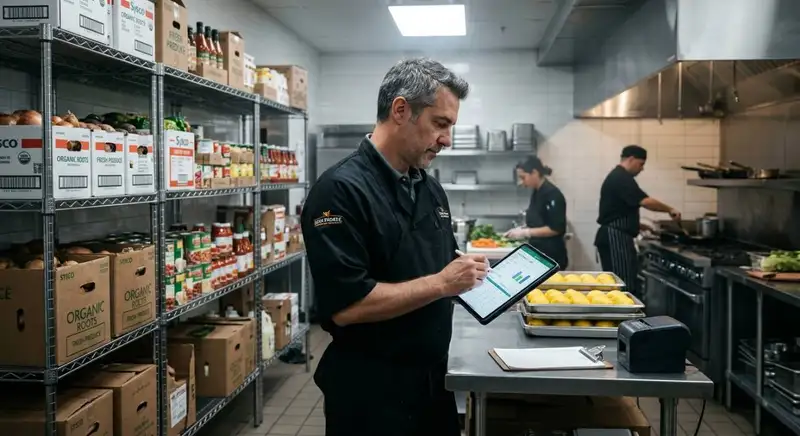
How to Reduce Supply Costs in Your Restaurant
Cut restaurant supply costs by understanding spending, auditing expenses, engineering menus, negotiating with suppliers, controlling inventory, reducing waste, and using technology to monitor everything continuously.
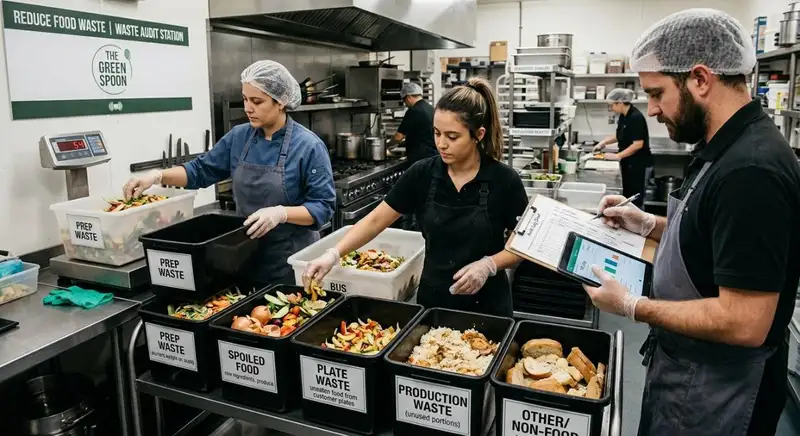
How to Conduct a Food Waste Audit in Your Restaurant
A food waste audit helps restaurant owners identify waste sources, track costs, improve inventory management, reduce food waste, and increase profitability.

The Complete Guide to Bar Inventory Management for Restaurants
This guide covers bar inventory management essentials - counting, tracking, ordering, storage, variance control, and cost strategies for restaurant profitability.

