
Overview
A scheduling app can help avoid these problems by making the entire process easier and more organized. It allows managers to create and adjust schedules quickly, send instant updates to employees, and prevent issues like understaffing or overstaffing. Employees can also swap shifts, request time off, and see their schedules in real-time, which reduces miscommunication.
Without the right scheduling tools, restaurants may struggle with sudden shift changes, overtime costs, and compliance with labor laws. A scheduling app helps prevent these mistakes by automating shift planning and keeping track of work hours.
Understaffing - The Cost of Being Short-Staffed
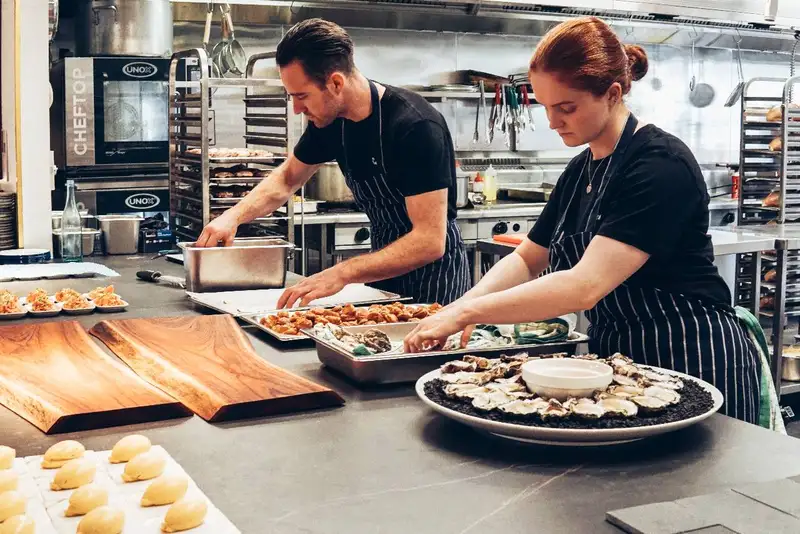
Under-staffing usually happens when schedules are created without properly considering busy hours, employee availability, and demand patterns. Many restaurant owners or managers rely on guesswork, past schedules, or manual tracking, which often results in shifts with too few workers. This problem becomes even worse during peak times, such as weekends or holidays when restaurants see a surge in customers.
A scheduling app helps solve this issue by using labor forecasting tools to predict staffing needs based on past sales data and expected demand. With a few clicks, managers can create schedules that ensure the right number of employees are on duty at all times. These apps also allow employees to set their availability in advance, reducing the risk of last-minute call-outs or scheduling conflicts.
Another major benefit of a scheduling app is real-time shift adjustments. If an employee calls in sick or doesn't show up, managers can quickly send out shift requests to available staff, ensuring coverage without scrambling at the last minute. Employees can also receive instant notifications about schedule changes, preventing confusion and miscommunication.
By using a scheduling app, restaurant owners can prevent the chaos of under-staffing and create a smoother work environment for both their team and their customers. With proper scheduling, employees stay productive, customers receive better service, and labor costs remain under control.
All-in-One Workforce Management Solution
Easily Record Every Time Punch with Altametrics
Overstaffing - Wasting Labor Costs
One of the main reasons overstaffing happens is a lack of planning. Some restaurant managers create schedules without analyzing customer traffic trends, which results in more employees working than necessary. This issue is especially common during slow hours or off-peak days when business is naturally quieter. Another mistake is not adjusting schedules based on recent sales data. Without reviewing past trends, a restaurant might end up scheduling the same number of staff every day, even when demand fluctuates.
A scheduling app helps prevent overstaffing by allowing managers to track real-time labor costs and adjust schedules accordingly. Many scheduling apps include labor forecasting tools that analyze past sales and expected customer volume to recommend the ideal number of employees per shift. This helps managers create efficient schedules that balance productivity and costs.
Additionally, scheduling apps offer visibility into employee work hours, preventing excessive shift assignments. If an employee is scheduled for too many unnecessary hours, managers can quickly make adjustments before the schedule is finalized. Some apps also integrate with payroll systems, allowing restaurant owners to see how much they're spending on wages each shift and whether labor costs are exceeding budget.
By using a scheduling app, restaurant owners can prevent overstaffing while still ensuring enough coverage for smooth operations. This not only keeps labor costs in check but also keeps employees engaged, ensuring that each shift runs efficiently without unnecessary expenses.
Last-Minute Shift Changes and No-Show Management
One of the biggest reasons restaurants struggle with no-show management is relying on outdated scheduling methods. Paper schedules, spreadsheets, or verbal shift agreements make it difficult to track who is available and who can cover a shift. When employees aren't reminded of their upcoming shifts, it increases the chances of missed work. Additionally, without a structured process for shift swaps, some employees may trade shifts informally without informing management, creating further confusion.
A scheduling app eliminates these problems by providing real-time shift updates and automated shift-swapping features. When an employee needs to call out, they can use the app to request a shift swap, ensuring that management is aware of the change. The app notifies available employees, allowing them to pick up the open shift without unnecessary back-and-forth communication.
Additionally, scheduling apps send automatic reminders to employees about their upcoming shifts, reducing the likelihood of no-shows due to forgetfulness. If a no-show does happen, managers can quickly use the app to send an urgent shift request to available staff, avoiding service disruptions.
By using a scheduling app, restaurant owners can reduce the stress of last-minute scheduling issues and ensure that their team is always prepared. This improves overall efficiency, keeps employees accountable, and helps maintain a high level of service even when unexpected staffing changes occur.
Compliance and Overtime Violations

One of the biggest challenges in avoiding overtime violations is manually tracking employee work hours. When scheduling is done on spreadsheets or paper, it's easy to overlook total hours worked in a week. If an employee picks up an extra shift without approval or is asked to stay late to cover for another worker, those extra hours can quickly add up. Without an automated system to monitor labor compliance, restaurants risk exceeding wage regulations and paying unnecessary overtime.
A scheduling app helps prevent these issues by tracking employee hours in real time. It can automatically alert managers when an employee is approaching their overtime limit, allowing them to adjust schedules before extra wages accumulate. Some apps also integrate with payroll systems to ensure employees are paid accurately for their work while staying within labor law requirements.
Additionally, scheduling apps help with break compliance by ensuring employees receive their legally required meal and rest breaks. Many labor laws require restaurants to provide breaks at specific intervals, and failing to do so can result in penalties. With a scheduling app, managers can set up automated break reminders and ensure shifts are planned with compliance in mind.
By using a scheduling app, restaurant owners can avoid costly overtime and compliance violations while keeping labor costs under control. This not only protects the business from legal risks but also ensures fair treatment of employees, improving overall workplace satisfaction.
Capture Every Punch with Precision
Elevate Your Hospitality Operations with Altametrics
Poor Communication and Schedule Confusion
One of the main reasons for schedule confusion is relying on outdated scheduling methods, such as paper schedules or static spreadsheets. Employees may forget to check their schedule, misunderstand shift changes, or fail to see updates made by management. If an employee is unaware of a schedule adjustment, they might assume they have the day off when they are actually expected to work.
A scheduling app eliminates these problems by ensuring that employee scheduling is clear and accessible to everyone in real time. With a digital system, employees can view their schedules at any time from their smartphones, reducing the chances of miscommunication. If there are any last-minute changes, the app instantly notifies employees, ensuring they are aware of shift modifications.
Another advantage of a scheduling app is the ability for employees to confirm their shifts. Some apps allow staff to acknowledge or accept their scheduled hours, giving managers peace of mind that everyone knows when they are expected to work. This feature also helps prevent no-shows, as employees are reminded of their upcoming shifts through automatic notifications.
By improving communication, scheduling apps reduce scheduling conflicts, boost employee accountability, and create a smoother workflow for managers and staff alike. With fewer misunderstandings, restaurants can operate more efficiently, ensuring shifts are covered without unnecessary stress or confusion.
Lack of Employee Input and Flexibility
A common mistake in restaurant scheduling is assigning shifts without checking employee availability. Some managers rely on the same scheduling patterns every week, assuming employees will always be available at the same times. However, restaurant workers often juggle multiple jobs, school, or personal commitments, and their availability can change. When employees are scheduled for shifts they can't work, they may be forced to call out at the last minute, creating unnecessary staffing issues.
A scheduling app helps prevent these problems by allowing employees to set their availability in advance and request time off directly within the system. Instead of dealing with paper requests or verbal notifications that can be forgotten, managers have a clear and organized view of who is available. This helps reduce scheduling conflicts and ensures that shifts are assigned to employees who can actually work them.
Additionally, many scheduling apps allow employees to swap shifts with manager approval. This gives staff more control over their schedules while ensuring that all shifts remain covered. Instead of managers scrambling to find replacements, employees can take the initiative to adjust their schedules in a structured way.
By offering employees more input and flexibility in scheduling, restaurant owners can reduce absenteeism, improve staff satisfaction, and create a more positive work environment. A scheduling app simplifies this process, making it easier for managers to accommodate employee needs while maintaining smooth restaurant operations.
Summary
A scheduling app helps prevent these problems by automating shift planning, ensuring proper staffing levels, and keeping employees informed in real time. With features like labor forecasting, shift-swapping, automated notifications, and compliance tracking, restaurant owners can eliminate scheduling guesswork and create a more efficient workplace. Employees also benefit from improved flexibility and clearer communication, which leads to higher job satisfaction and fewer scheduling conflicts.
By switching from manual scheduling methods to a digital solution, restaurant owners can save time, reduce labor costs, and improve overall productivity. Investing in a scheduling app is not just about convenience - it's about creating a well-organized system that keeps the restaurant running efficiently while supporting employees. A well-planned schedule leads to a happier team, better service, and a more profitable business.
Ensure Every Time Punch is Recorded Seamlessly
Perfect Time Management with Altametrics
Frequently
Asked Questions
How does a scheduling app assist with multi-shift operations?
Can scheduling apps track employee attendance?
How does a scheduling app handle labor law updates?
How does a scheduling app improve communication?
Must-Read Content

Why Do Restaurant Staff Quit? Common Reasons and How to Prevent Them
Restaurant staff quit because of low wages, poor management, burnout, and scheduling issues. Learn practical strategies to improve retention and reduce turnover.
How to Maintain Hiring Compliance Across Multiple Restaurant Locations
Restaurant groups can maintain hiring compliance by standardizing processes, centralizing records, assigning ownership, training managers, adapting to local laws, auditing regularly, and using technology for ongoing monitoring.
10 Employee Retention Strategies for Restaurant Owners
Restaurant owners can cut turnover by paying fairly, onboarding well, scheduling flexibly, promoting growth, recognizing effort, offering meaningful benefits, listening to feedback, and hiring carefully for fit.