



Overview
Restaurants have busy, fast-moving environments where schedules often change. Employees work different shifts, cover for each other, and sometimes work late when it gets busy. If time tracking is done manually with paper sheets or outdated systems, errors are more likely to happen. This can result in employees getting paid incorrectly or the restaurant violating labor laws without realizing it.
A reliable time and attendance system helps ensure that all hours worked are recorded accurately. It also makes it easier to follow labor laws, avoid payroll errors, and keep everything running smoothly. In this article, we'll go over the best ways to track employee time, reduce mistakes, and create a system that benefits both the restaurant and its employees.
Establish Clear Time and Attendance Policies

Define Clock-In and Clock-Out Rules
Employees should clock in when they start their shift and clock out when they finish. If a restaurant uses a digital time-tracking system, staff should be trained on how to use it properly. To prevent early clock-ins or late clock-outs that add unnecessary labor costs, consider setting limits on when employees can punch in. For example, they may only be allowed to clock in five minutes before their scheduled shift.
Set Break and Overtime Policies
Labor laws require employees to take certain breaks, and failing to track them correctly can lead to violations. Clearly define when breaks should be taken and how they should be recorded. If an employee misses a break or takes one at the wrong time, there should be a process for reporting and correcting it.
Overtime should also be managed carefully. Employees should not be allowed to work extra hours without approval. A policy requiring managers to approve overtime before it happens can help control labor costs and prevent unexpected payroll increases.
Communicate Policies to Employees
Having written policies is important, but they are only effective if employees understand them. Go over the rules during onboarding and post them in visible areas, such as break rooms. Regular reminders and updates help reinforce expectations and prevent misunderstandings.
By creating clear time and attendance policies, restaurant owners can reduce payroll mistakes, improve compliance, and keep operations running smoothly.
All-in-One Workforce Management Solution
Easily Record Every Time Punch with Altametrics
Use Digital Time Tracking Solutions
Benefits of Digital Time-Tracking Systems
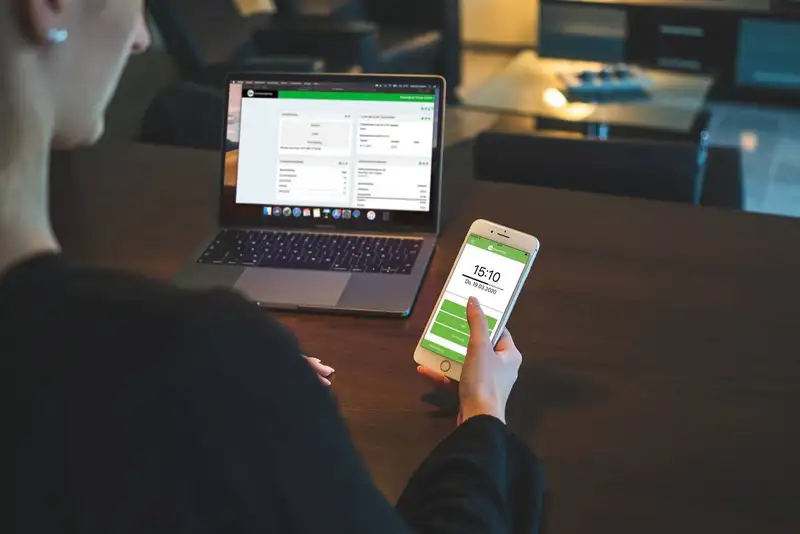
A digital system reduces human errors that often occur with manual tracking. Employees can clock in using a mobile app, a kiosk, or a biometric scanner, ensuring their time is recorded accurately. These systems can also prevent buddy punching, where one employee clocks in for another. Some advanced time-tracking tools use facial recognition or fingerprint scanning to confirm the right employee is clocking in.
Real-time tracking is another advantage. Managers can instantly see who is on shift, who is running late, and who is nearing overtime. This allows for better shift planning and helps avoid unexpected labor costs. Many digital systems also integrate with payroll software, reducing the chances of payroll discrepancies and ensuring employees are paid correctly.
Key Features to Look for in a Time-Tracking System
When choosing a time-tracking system for a restaurant, look for features that make scheduling and tracking easy -
1. Automated clock-ins and outs - Prevents early clock-ins or late clock-outs that can increase labor costs.
2. Break tracking - Ensures employees take required breaks at the right times to comply with labor laws.
3. Overtime alerts - Sends notifications when an employee is close to exceeding their scheduled hours.
4. Mobile access - Allows employees to clock in from approved locations, especially useful for multi-location restaurants.
By implementing a digital time-tracking system, restaurant owners can improve efficiency, reduce payroll errors, and gain better control over labor costs.
Ensure Compliance with Labor Laws and Regulation
Understand Federal and State Labor Laws
The Fair Labor Standards Act (FLSA) sets the basic rules for wages, overtime, and break requirements in the U.S. However, state laws may have additional requirements, such as mandatory meal and rest breaks or different overtime rules. Restaurant owners should stay updated on both federal and state labor laws to ensure full compliance.
For example, in some states, employees must receive a 30-minute unpaid meal break after working a certain number of hours. In others, short paid rest breaks may also be required. Failing to track these breaks properly can result in labor law violations. A digital time-tracking system with automated break logging can help ensure compliance.
Accurately Track Overtime and Prevent Violations
Overtime laws require employees to be paid at least 1.5 times their regular rate when they work more than 40 hours in a week (or in some states, more than eight hours in a day). If time and attendance tracking is inaccurate, employees may not receive their proper wages, which can lead to disputes or legal action.
Setting up automated overtime alerts can prevent violations by notifying managers when an employee is approaching their maximum hours. Restaurant owners should also establish policies requiring management approval for overtime to control labor costs and avoid unnecessary payroll increases.
Keep Detailed Time and Attendance Records
Labor laws often require businesses to keep time and payroll records for a specific period, usually at least three years. Digital records make it easier to store and retrieve this data in case of an audit or dispute. Keeping accurate records ensures transparency and legal protection for the restaurant.
By following labor laws and using reliable time-tracking methods, restaurant owners can create a fair work environment, avoid compliance issues, and maintain a well-organized payroll system.
Prevent Time Theft and Buddy Punching
Use Secure Clock-In Methods
One of the most effective ways to prevent time theft is by using a secure time-tracking system. Instead of relying on traditional punch cards or PIN codes, consider using biometric authentication methods such as fingerprint or facial recognition scanners. These systems ensure that only the actual employee can clock in and out, eliminating buddy punching.
Some time-tracking software also uses geofencing, which restricts clock-ins to a specific location. This means employees can only clock in when they are physically at the restaurant, preventing early clock-ins from home or another location.
Monitor Attendance in Real-Time
A real-time monitoring system allows managers to track attendance as shifts happen. If an employee forgets to clock in or takes an extended break, managers can address the issue immediately instead of discovering it later during payroll processing. Some systems also send automatic notifications if an employee clocks in late, leaves early, or works unauthorized overtime.
Set Clear Expectations and Enforce Policies
Employees should understand the consequences of time theft and buddy punching. Clearly outline the rules in the restaurant's employee handbook and discuss them during training. Regular audits of time records can also help identify suspicious patterns, such as frequent manual time adjustments.
By using secure time-tracking technology, monitoring attendance in real-time, and enforcing clear policies, restaurant owners can prevent time theft and ensure accurate payroll processing.
Capture Every Punch with Precision
Elevate Your Hospitality Operations with Altametrics
Streamline Shift Scheduling and Attendance Monitoring
Use a Smart Scheduling System
Traditional scheduling methods, such as handwritten shift charts or spreadsheets, can be inefficient and prone to errors. Using a digital scheduling system can simplify the process by allowing managers to create, update, and share schedules in real time. Many workforce management tools also offer shift-swapping features, making it easier for employees to trade shifts without disrupting the overall schedule.
Automated scheduling can also help managers match staffing levels with expected customer demand. By analyzing past sales data and peak business hours, restaurant owners can create more efficient schedules that prevent over-staffing and minimize unnecessary labor costs.
Monitor Attendance Trends
Tracking employee attendance over time can reveal patterns that need attention. Frequent tardiness, unapproved absences, or early clock-outs can impact restaurant operations and customer service. By using attendance tracking software, managers can quickly identify issues and address them before they become bigger problems.
Some workforce management systems provide reports that highlight attendance trends, making it easier to spot employees who frequently miss shifts or arrive late. With this information, managers can have conversations with employees about improving punctuality and reliability.
Improve Communication and Shift Reminders
Miscommunication about schedules is a common issue in restaurants. Sending automated shift reminders via text or email can help reduce no-shows and last-minute schedule confusion. Giving employees access to their schedules through a mobile app ensures they always know when they are expected to work.
By streamlining shift scheduling and monitoring attendance effectively, restaurant owners can improve staff efficiency, reduce labor costs, and create a more organized work environment.
Integrate Time and Attendance with Payroll
Reduce Payroll Errors with Automation
When employees clock in and out using a digital system, their hours are automatically recorded and sent to payroll. This eliminates the need for managers to manually input time records, reducing the risk of typos and miscalculations. Automated payroll processing ensures employees receive the correct wages, including overtime and deductions for unpaid breaks.
Integration also helps prevent payroll fraud, such as employees inflating their hours or managers accidentally approving inaccurate timesheets. With a seamless system, every recorded shift is verified, making payroll more transparent and reliable.
Ensure Compliance with Wage and Overtime Laws
Miscalculating overtime pay or failing to account for break periods can lead to labor law violations and potential fines. An integrated system ensures that overtime rates are applied correctly and that all required breaks are properly logged. Some payroll systems also generate compliance reports, helping restaurant owners stay up to date with wage regulations and avoid penalties.
Save Time on Payroll Processing
Manually calculating payroll can take hours, especially in restaurants with multiple employees working different shifts. With integration, payroll processing is faster and more efficient, freeing up time for managers to focus on other important tasks. Employees also benefit from quicker access to their earnings, reducing disputes over pay discrepancies.
By integrating time and attendance tracking with payroll, restaurant owners can simplify payroll processing, improve accuracy, and ensure legal compliance.
Summary
Preventing time theft and buddy punching through secure clock-in methods helps maintain payroll accuracy, while real-time attendance monitoring ensures that shifts are properly staffed. Streamlining shift scheduling with digital tools allows managers to balance labor costs with customer demand, preventing both overstaffing and understaffing. Integrating time and attendance tracking with payroll further simplifies operations by reducing errors, automating wage calculations, and ensuring employees are paid on time.
By following these best practices, restaurant owners can improve workforce management, reduce administrative burdens, and create a fair and efficient work environment for their employees. Investing in a strong time-tracking system not only enhances productivity but also protects the business from costly labor disputes and compliance issues. Taking the time to improve time and attendance tracking will lead to a more organized, profitable, and well-run restaurant.
Ensure Every Time Punch is Recorded Seamlessly
Perfect Time Management with Altametrics
Frequently
Asked Questions
What features should I look for in a time and attendance tracking system?
How can I prevent employees from buddy punching?
What should a restaurant's time and attendance policy include?
How can restaurant owners ensure compliance with labor laws?
Must-Read Content

Why Do Restaurant Staff Quit? Common Reasons and How to Prevent Them
Restaurant staff quit because of low wages, poor management, burnout, and scheduling issues. Learn practical strategies to improve retention and reduce turnover.
How to Maintain Hiring Compliance Across Multiple Restaurant Locations
Restaurant groups can maintain hiring compliance by standardizing processes, centralizing records, assigning ownership, training managers, adapting to local laws, auditing regularly, and using technology for ongoing monitoring.

10 Employee Retention Strategies for Restaurant Owners
Restaurant owners can cut turnover by paying fairly, onboarding well, scheduling flexibly, promoting growth, recognizing effort, offering meaningful benefits, listening to feedback, and hiring carefully for fit.

