



Rising Labor Costs
In this environment, innovative solutions are crucial for sustainable business operations. Traditional cost-cutting measures, such as reducing staff hours or increasing menu prices, often have negative repercussions on service quality and customer loyalty. Therefore, restaurant owners are increasingly seeking advanced technological solutions to streamline operations and reduce labor dependency without compromising service standards.
One such technological advancement is the mobile point-of-sale (POS) system. A mobile POS system is a portable solution that enables transactions via smartphones, tablets, or dedicated wireless devices. These systems are designed to facilitate various operations, from order taking and payment processing to inventory management and customer relationship management.
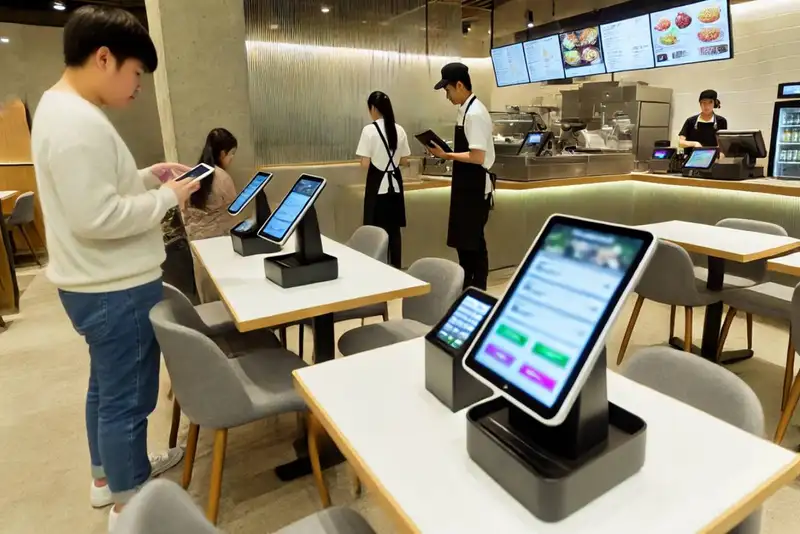
In the context of labor cost management, mobile POS systems offer significant advantages. By allowing customers to place their own orders through tablets or kiosks, restaurants can reduce the need for waitstaff, thereby lowering payroll expenses. This self-service approach not only cuts down on labor costs but also enhances the customer experience by speeding up service and reducing wait times. Additionally, mobile POS systems can streamline back-of-house operations, further improving efficiency and reducing the need for additional staff.
Understanding Mobile POS Systems
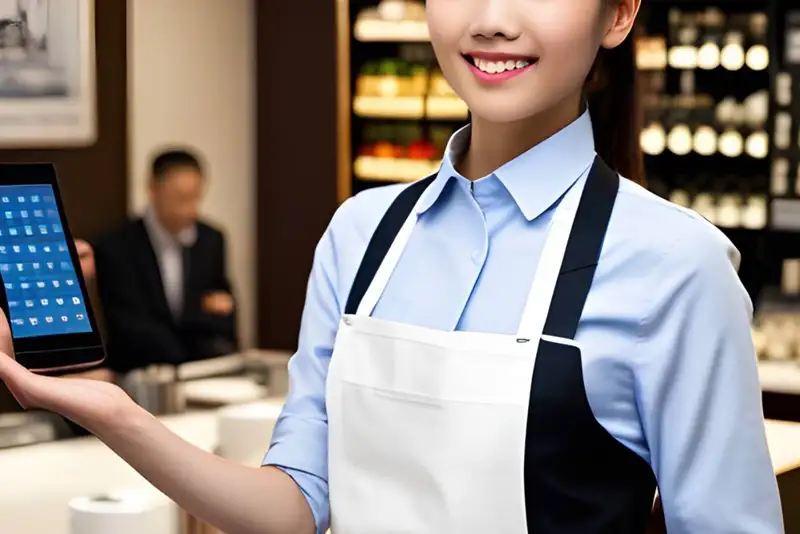
The basic functionalities of mobile POS systems include processing orders and payments, managing inventory, tracking sales, and facilitating customer interactions. These systems often come with user-friendly interfaces that make it easy for staff and customers to navigate. Additionally, mobile POS systems can integrate with other business tools, such as accounting software, customer relationship management (CRM) systems, and kitchen display systems, creating a seamless operational workflow.
When comparing mobile POS systems to traditional POS systems, several key differences emerge. Traditional POS systems, while reliable and robust, are stationary and often require a significant upfront investment in hardware and infrastructure. They can also be cumbersome and time-consuming to upgrade or customize. In contrast, mobile POS systems are generally more cost-effective, as they utilize existing mobile devices and can be easily scaled to meet changing business needs. They offer greater flexibility, allowing staff to take orders tableside, reducing wait times, and enhancing the overall customer experience.
The importance of mobile POS systems in modern restaurant operations cannot be overstated. As the restaurant industry evolves, the demand for efficient, customer-centric service models grows. Mobile POS systems meet this demand by enabling faster, more personalized service, reducing operational bottlenecks, and providing valuable data insights that can inform business decisions. They also facilitate innovative service models, such as self-service kiosks, which can significantly reduce labor costs and increase customer satisfaction. In a competitive market, the ability to streamline operations and enhance the dining experience through mobile POS technology is a critical advantage for any restaurant aiming to thrive.
Simplify Multi-Channel Ordering
Get started with Altametrics to streamline your POS!
The Role of Mobile POS in Order Placement
One of the primary impacts of mobile POS systems on the ordering process is the significant reduction in wait times. Customers no longer have to wait for a server to take their order; instead, they can browse the menu and place their orders at their own pace. This immediate interaction can lead to quicker service and faster table turnover, which is especially beneficial during peak hours. Moreover, the digital nature of these systems minimizes order errors, as customers input their selections directly, ensuring accuracy and reducing the risk of miscommunication.
The customer experience is notably enhanced by the intuitive and interactive nature of mobile POS systems. These systems often feature high-resolution touchscreens with easy-to-navigate interfaces, making the ordering process straightforward and engaging. Customers can view detailed descriptions, images, and nutritional information for each menu item, helping them make informed choices. Additionally, mobile POS systems often support multiple languages, catering to a diverse clientele.
Specific features that facilitate self-ordering include customization options, where customers can modify their orders to suit their preferences, such as choosing cooking levels, adding or removing ingredients, and selecting side dishes. Upselling prompts and suggestive selling techniques are also integrated, offering customers complementary items or special deals, thereby increasing the average order value. Payment integration is another critical feature, allowing customers to complete transactions seamlessly using various payment methods, including credit cards, mobile wallets, and contactless payments.
Reducing the Need for Waitstaff
The implementation of mobile POS systems directly impacts staffing requirements and employee scheduling. With fewer servers needed on the floor, restaurants can operate with leaner teams, especially during off-peak hours. This adjustment can lead to more efficient scheduling practices, reduce the need for extensive shift planning, and allow for a more flexible workforce. Additionally, the streamlined workflow means that existing staff can be redeployed to other critical areas, such as food preparation, delivery, or customer service, further enhancing operational efficiency.
One of the most significant advantages of reducing the reliance on waitstaff is the potential reduction in hiring, training, and turnover costs. The restaurant industry is notorious for high employee turnover, which incurs substantial costs in terms of recruiting, onboarding, and training new staff. By minimizing the number of waitstaff needed, restaurants can lower these costs considerably. Moreover, the simplified training process for mobile POS systems, compared to the comprehensive training required for traditional waitstaff roles, means that new employees can be brought up to speed more quickly and at a lower cost.
Mobile POS systems offer a transformative approach to reducing the dependency on waitstaff in restaurants. By enabling self-service ordering and payment through devices like kiosks or a restaurant app, these systems streamline operations, improve employee scheduling, and significantly cut costs associated with hiring, training, and turnover. This shift not only enhances operational efficiency but also allows restaurant owners to allocate resources more strategically, ultimately contributing to a more sustainable and profitable business model.
Enhancing Operational Efficiency
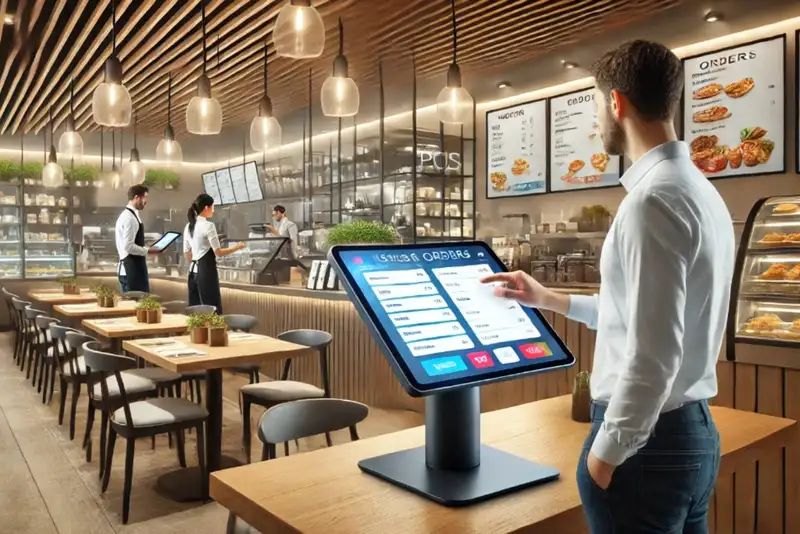
One of the key ways mobile POS systems streamline operations is by providing a direct line of communication between the front-of-house and the kitchen. When customers place their orders via tablets, kiosks, or mobile devices, the orders are instantly transmitted to the kitchen display systems. This real-time communication eliminates the need for servers to relay orders manually, reducing the risk of miscommunication and ensuring that orders are processed promptly. As a result, the kitchen staff can begin preparing meals immediately, leading to faster service and improved customer satisfaction.
The use of mobile POS systems also significantly reduces order errors, which is a common issue in traditional order-taking methods. Since customers input their orders directly, there is less chance for mistakes that can occur when servers mishear or misinterpret a request. This direct input improves order accuracy, ensuring that customers receive exactly what they ordered. Accurate orders not only enhance the dining experience but also reduce waste and the cost associated with re-preparing incorrect dishes.
Moreover, mobile POS systems contribute to faster service and table turnover. With streamlined order placement and efficient kitchen communication, meals are prepared and delivered to customers more quickly. This efficiency means that tables can be cleared and reset faster, allowing restaurants to serve more customers in a given time frame. Higher table turnover rates directly translate to increased revenue potential, as more patrons can be accommodated during peak dining hours.
Streamline Operations
Control Menus, Items, and Prices Seamlessly with Altametrics
Cost Savings Breakdown
Labor cost savings extend beyond basic wages. Reducing the headcount of waitstaff also means a decrease in the associated benefits such as health insurance, vacation pay, and other employment perks. Additionally, fewer employees result in lower overhead costs related to uniforms, training programs, and employee management resources. By minimizing these expenses, restaurants can achieve a leaner, more cost-efficient operation.
Moreover, mobile point of sale systems streamline workflow, reducing the hours needed for other staff positions. For instance, with orders directly sent to the kitchen, there is less back-and-forth between servers and kitchen staff, which saves time and reduces labor hours. This efficiency not only cuts costs but also allows existing staff to focus on enhancing the customer experience in other ways.
The savings realized from reduced labor costs can be redirected to other critical areas of restaurant operations. For example, funds can be allocated to improving the quality of ingredients, investing in better kitchen equipment, or enhancing the restaurant's ambianceall of which can contribute to a better overall dining experience and potentially higher customer satisfaction and loyalty. Alternatively, these savings can be used to bolster profit margins, providing a financial cushion that can help the restaurant weather economic fluctuations or invest in future growth opportunities.
Additional Financial Benefits
Another financial benefit of mobile POS systems is the potential for upselling and increasing the average order value. These systems often include features designed to suggest additional items or upgrades to customers during the ordering process. For instance, a POS App can recommend complementary dishes, drinks, or desserts based on the customer's selections, encouraging them to add more to their order. These automated prompts are highly effective in driving additional sales, as they are timely and relevant, leading to a higher average check per customer.
The long-term financial impact of mobile POS systems on a restaurant's bottom line is substantial. By reducing labor costs, minimizing waste, and boosting sales through upselling, these systems contribute to higher profitability. Additionally, the data collected by mobile POS systems provide valuable insights into customer preferences and purchasing patterns. Restaurants can leverage this information to tailor their offerings, create targeted promotions, and improve overall operational efficiency.
Furthermore, the enhanced customer experience facilitated by mobile POS systems can lead to increased customer retention and positive word-of-mouth marketing. Satisfied customers are more likely to return and recommend the restaurant to others, driving repeat business and attracting new patrons.
Key Points
Mobile POS systems allow customers to place their own orders via tablets, kiosks, or even their smartphones, effectively reducing the need for waitstaff. This shift not only cuts down on labor costs but also enhances operational efficiency by streamlining the ordering process and improving communication between the front-of-house and kitchen staff. With orders being directly transmitted to the kitchen, the chances of errors are minimized, leading to increased order accuracy and reduced waste.
The reduction in labor costs encompasses not just wages but also associated expenses such as benefits, training, and turnover costs. By leveraging mobile POS systems, restaurants can reallocate these savings to other critical areas, such as enhancing the quality of ingredients, upgrading kitchen equipment, or improving the dining ambiance. These investments can lead to a better customer experience, fostering loyalty and repeat business.
Furthermore, mobile POS systems offer additional financial benefits through improved inventory management and upselling opportunities. Real-time tracking of inventory helps in maintaining optimal stock levels, reducing waste, and ensuring fresh ingredients. The ability to suggest complementary items or upgrades during the ordering process can significantly increase the average order value, boosting overall sales.
The long-term financial impact of mobile POS systems is substantial. By enhancing operational efficiency, reducing costs, and increasing revenue through strategic upselling, these systems contribute to a restaurant's profitability and sustainability. Moreover, the data collected through these systems provide valuable insights into customer preferences, allowing for more personalized service and targeted marketing efforts.
In conclusion, mobile POS systems, including self-service kiosks, represent a vital technological advancement for modern restaurants. They offer a multifaceted solution to the challenges of rising labor costs, operational inefficiencies, and the need for improved customer service. Adopting these systems can position restaurants for long-term success, making them an indispensable tool in the competitive restaurant landscape.
Centralize Your Menus Today!
Manage Everything In One Place with Altametrics
Frequently
Asked Questions
Can mobile POS systems help with inventory management?
What types of restaurants benefit most from mobile POS systems?
Can mobile POS systems improve order accuracy?
How do mobile POS systems enhance operational efficiency?
Must-Read Content

Why Do Restaurant Staff Quit? Common Reasons and How to Prevent Them
Restaurant staff quit because of low wages, poor management, burnout, and scheduling issues. Learn practical strategies to improve retention and reduce turnover.
How to Get More Customers in a Restaurant
Learn how to get more customers in a restaurant through local marketing, social media, promotions, customer reviews, loyalty programs, and retention strategies.
How to Maintain Hiring Compliance Across Multiple Restaurant Locations
Restaurant groups can maintain hiring compliance by standardizing processes, centralizing records, assigning ownership, training managers, adapting to local laws, auditing regularly, and using technology for ongoing monitoring.

