



Restaurant Operations and Customer Experience
The importance of selecting the right kiosk system cannot be overstated. A well-chosen kiosk system can significantly reduce labor costs by automating the ordering process, allowing staff to focus on other essential tasks such as food preparation and customer service. This automation not only leads to faster service times but also reduces the potential for human error, resulting in more accurate orders and happier customers.
Furthermore, a good kiosk system can handle high volumes of transactions efficiently, making it ideal for busy restaurants. It can also integrate seamlessly with existing point-of-sale (POS) systems, ensuring that the entire operation runs smoothly from order placement to payment processing. This integration is crucial for maintaining accurate inventory levels and financial records, which are vital for any restaurant's success.
The right kiosk system also enhances the customer experience in several ways. A user-friendly interface ensures that customers can place their orders quickly and easily, even during peak hours. Customization options allow restaurants to tailor the kiosk interface to their brand, creating a cohesive and engaging customer journey. Advanced features such as upselling capabilities and customer data collection can further personalize the experience, encouraging repeat business and fostering customer loyalty.
Additionally, kiosks with multilingual support cater to a diverse customer base, making it easier for non-native speakers to navigate the menu and place orders. This inclusivity not only improves customer satisfaction but also expands the restaurant's potential market.
Essential Features
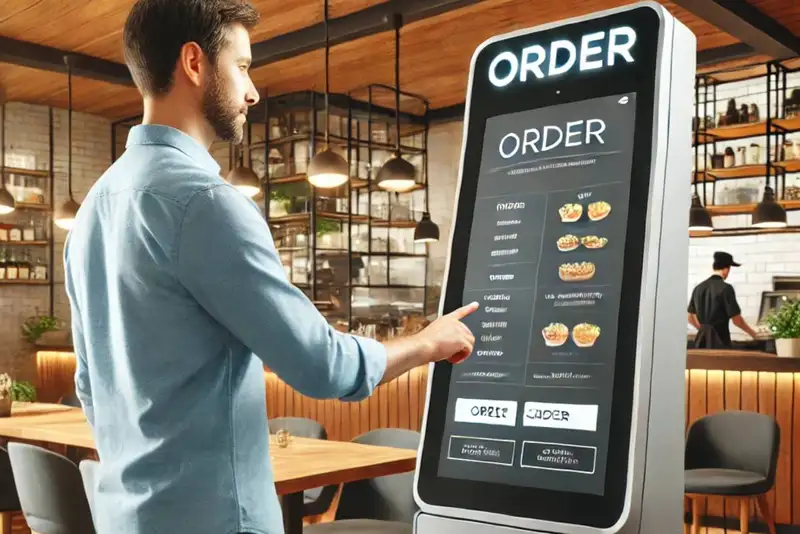
Customization options are another vital feature of an effective kiosk system. The ability to tailor the interface to reflect the restaurant's branding helps create a cohesive and immersive customer experience. This includes customizing colors, logos, and even the layout to match the restaurant's aesthetic. Flexibility in menu presentation and layout is also essential. Restaurants can highlight special promotions, showcase popular items, and easily update the menu based on availability or seasonal offerings. Customization ensures that the kiosk not only serves a functional purpose but also strengthens the restaurant's brand identity and marketing efforts.
Seamless integration with existing point-of-sale (POS) systems is critical for a self-service kiosk. This integration ensures that orders placed through the kiosk are immediately reflected in the POS system, streamlining order processing and reducing the likelihood of errors. Such integration allows for real-time inventory management, ensuring that the availability of items is accurately reflected on the kiosk. This synchronization helps maintain efficient operations, from the kitchen to the front of the house. Additionally, integrated systems simplify financial reporting and data analysis, providing restaurant owners with valuable insights into sales patterns and inventory needs.
Simplify Multi-Channel Ordering
Get started with Altametrics to streamline your POS!
Advanced Features
Self-service kiosks also excel at collecting and analyzing customer data. As customers interact with the kiosk, valuable information about their preferences, purchasing patterns, and behaviors is gathered. This data can be leveraged for targeted marketing efforts, allowing restaurants to create personalized promotions and loyalty programs tailored to individual customer preferences. For example, if a customer frequently orders a particular type of coffee, the restaurant can offer a discount on their favorite drink to encourage repeat visits. Furthermore, analyzing this data helps restaurants understand trends and make informed decisions about menu changes and inventory management. The ability to harness customer data effectively turns kiosks into powerful tools for enhancing customer engagement and driving business growth.
Multilingual support is another crucial advanced feature of self-service kiosks, especially in diverse and multicultural communities. Offering multiple language options on the kiosk interface ensures that non-native speakers can easily navigate the menu and place orders without confusion or frustration. This inclusivity not only broadens the restaurant's customer base but also demonstrates a commitment to accommodating all patrons. Enhancing accessibility through multilingual support improves overall customer satisfaction, as it shows that the restaurant values and respects the diverse backgrounds of its customers. This feature can be a significant differentiator in competitive markets, attracting a wider audience and fostering a more inclusive dining environment.
Advanced features like upselling capabilities, customer data collection, and multilingual support are essential for maximizing the potential of self-service kiosks. These features enhance the customer experience, drive sales, and provide valuable insights, making them indispensable tools for modern restaurant operations.
Payment Processing
Supporting multiple payment options also contributes to the efficiency of transactions. When customers can quickly and easily pay using their chosen method, it reduces the likelihood of delays and bottlenecks, especially during peak hours. Additionally, a well-designed kiosk system will ensure that these transactions are secure, utilizing encryption and other security measures to protect sensitive financial information. This combination of convenience and security builds customer trust and encourages repeat business.
Contactless Payment
In the wake of the COVID-19 pandemic, the importance of offering touchless payment options has become more pronounced. Contactless payment methods, which allow customers to complete transactions by simply tapping their card or mobile device, offer a hygienic and efficient alternative to traditional payment methods. By minimizing physical contact, these systems enhance the safety and convenience of the payment process, making customers feel more comfortable and secure.
The convenience of contactless payment cannot be overstated. Customers appreciate the speed and ease with which they can complete their transactions, often in mere seconds. This efficiency is particularly beneficial in fast-paced environments like quick-service restaurants, where speed is of the essence. Additionally, contactless payment options can help streamline operations by reducing the time staff spend handling payments, allowing them to focus more on customer service and other important tasks.
In essence, a self-service kiosk system that supports multiple payment options, including contactless methods, is essential for modern restaurants. By offering a variety of secure and efficient payment solutions, these systems enhance the customer experience, improve transaction speed, and contribute to a safer dining environment. Restaurant owners who prioritize these features in their kiosk systems are better positioned to meet the evolving needs and preferences of their customers.
Hardware Considerations

Reliable performance is equally important. Kiosks must function smoothly and consistently to avoid downtime, which can lead to customer frustration and operational disruptions. Investing in high-quality components and regular maintenance can prevent technical issues and ensure that the kiosks remain operational during peak hours. Reliable hardware reduces the likelihood of system failures, thereby maintaining customer trust and ensuring that the ordering process is seamless and efficient.
Ergonomic Design
The ergonomic design of self-service kiosks is another crucial consideration. Kiosks should be user-friendly and accessible to all customers, regardless of their physical abilities or height. This means that the touchscreens should be positioned at an appropriate height and angle, making them easy to read and use for everyone, including those in wheelchairs or with other mobility challenges.
A well-thought-out physical design enhances the user experience by making the kiosk intuitive and comfortable to use. Buttons and interactive elements should be large enough to be easily pressed, and the screen should be responsive to touch inputs. Additionally, the design should incorporate clear instructions and a straightforward navigation flow to minimize confusion and errors.
Moreover, the placement of the kiosks within the restaurant should be strategic, ensuring they do not obstruct foot traffic or create congestion. Kiosks should be situated in easily accessible locations where customers can comfortably interact with them without feeling rushed or cramped.
The durability, reliability, and ergonomic design of self-service kiosks are critical to their success in a restaurant setting. By choosing robust hardware that can endure heavy use and designing the kiosks to be user-friendly and accessible, restaurant owners can enhance both the operational efficiency and customer satisfaction of their establishments. These considerations ensure that kiosks remain a valuable asset, contributing to a positive dining experience and smooth restaurant operations.
Streamline Operations
Control Menus, Items, and Prices Seamlessly with Altametrics
Maintenance and Support
The importance of a reliable support team cannot be overstated. Whether it's a minor software glitch or a significant hardware malfunction, having experts available around the clock ensures that technical issues are resolved before they escalate. This continuous support helps maintain the seamless functioning of the kiosks, ensuring that customers have a consistently positive experience.
Software Updates
Regular software updates are another essential component of kiosk maintenance. These updates serve multiple purposes, including improving functionality, enhancing security, and introducing new features. In the context of restaurant operations, keeping the kiosk system up-to-date ensures that it remains efficient and secure, protecting both customer data and the integrity of the ordering process.
Updates often include bug fixes and performance enhancements that can improve the overall user experience. Additionally, they may introduce new functionalities that can help streamline operations further or offer new conveniences to customers. Regular updates also ensure that the kiosk system is compliant with the latest security standards, safeguarding against potential cyber threats.
The importance of staying current with software updates extends beyond functionality and security. It reflects a commitment to continuous improvement and adapting to evolving customer needs and technological advancements. By regularly updating the kiosk system, restaurant owners can ensure that they are providing the best possible service to their customers, keeping pace with industry trends, and maintaining a competitive edge.
Security Features
Compliance with data protection regulations, particularly those within the United States such as the California Consumer Privacy Act (CCPA) and the General Data Protection Regulation (GDPR) for businesses dealing with international customers, is crucial. These regulations mandate stringent guidelines on how customer data should be collected, stored, and used, emphasizing transparency and user consent. Adhering to these laws not only protects the restaurant from legal repercussions but also enhances its reputation as a trustworthy establishment.
System Security
Protecting the kiosk system from cyber threats is another critical security feature. As self-service kiosks handle a plethora of sensitive transactions, they are prime targets for cyber-attacks. Implementing strong cybersecurity measures is essential to prevent unauthorized access, malware infections, and other malicious activities that could compromise both the kiosk and customer data.
Regular security audits and updates play a vital role in maintaining system security. Security audits help identify potential vulnerabilities within the kiosk system, enabling proactive measures to fortify defenses. These audits should be conducted periodically to ensure that the system remains resilient against emerging threats. Additionally, software updates are crucial, as they often include patches for security flaws, enhancements in encryption technologies, and other critical improvements that bolster the overall security posture of the kiosk system.
Data security is a continuous process that involves staying vigilant and proactive. By conducting regular security audits and keeping the software up-to-date, restaurants can significantly mitigate the risk of cyber threats. This not only protects the integrity of the kiosk system but also ensures that customer data remains secure, thereby fostering a safe and trustworthy environment for both patrons and the business.
Recap of the Key Features
Firstly, a user-friendly interface is essential. The design should be intuitive, allowing customers to navigate the menu and place orders with ease. This reduces wait times and minimizes the need for staff intervention, freeing up employees to focus on other critical tasks.
Customization options are another vital feature. The ability to tailor the kiosk interface to reflect the restaurant's branding enhances the customer experience and reinforces brand identity. Flexible menu presentation and layout options also allow for quick updates and promotional highlights, keeping the menu dynamic and engaging.
Integration with existing point-of-sale (POS) systems is crucial for streamlined operations. Seamless integration ensures that orders are processed efficiently and accurately, and inventory levels are automatically updated. This feature is particularly important for maintaining consistency and accuracy across all sales channels, including mobile POS systems, which are becoming increasingly popular in the restaurant industry.
Advanced features like upselling capabilities can significantly boost revenue by suggesting additional items or upgrades during the ordering process. Meanwhile, customer data collection allows restaurants to personalize marketing efforts and improve service based on customer preferences and behaviors.
Security features are paramount to protect sensitive customer data and ensure compliance with data protection regulations. Regular software updates and security audits help mitigate risks and maintain the integrity of the kiosk system.
Finally, robust technical support and maintenance are essential for ensuring that the kiosks operate smoothly without interruptions. 24/7 support and regular software updates keep the system running efficiently and securely.
In summary, the ideal self-service kiosk system should offer a combination of user-friendly design, robust customization options, seamless POS integration, advanced features, strong security measures, and reliable support. By prioritizing these key features, restaurant owners can implement a kiosk system that enhances both operational efficiency and customer satisfaction, positioning their business for long-term success.
Centralize Your Menus Today!
Manage Everything In One Place with Altametrics
Frequently
Asked Questions
What is the significance of integrating self-service kiosks with existing POS systems?
How do self-service kiosks handle different payment methods?
How can self-service kiosks boost restaurant revenue?
What should restaurants consider when choosing a self-service kiosk system?
Must-Read Content

10 Employee Retention Strategies for Restaurant Owners
Restaurant owners can cut turnover by paying fairly, onboarding well, scheduling flexibly, promoting growth, recognizing effort, offering meaningful benefits, listening to feedback, and hiring carefully for fit.
How to Reduce Supply Costs in Your Restaurant
Cut restaurant supply costs by understanding spending, auditing expenses, engineering menus, negotiating with suppliers, controlling inventory, reducing waste, and using technology to monitor everything continuously.

The Ultimate Guide to Managing Food Allergens in Restaurants
Food allergens require accurate labeling, employee training, cross-contact prevention, safe food handling, and consistent procedures to protect customers and improve restaurant safety.

