What is a customer loyalty program for restaurants?
A customer loyalty program is a simple system that rewards guests for coming back. It can be as basic as a punch card, a visit-based reward, or a points system that gives guests something extra after a certain number of visits or amount spent.
How to Build Engaging Customer Loyalty Programs for Restaurants

Overview
Today's guests have endless options. They can scroll through delivery apps, follow new spots on social media, or eat at home. If you want them to keep choosing your restaurant, you need a simple, clear way to reward them for coming back.
A loyalty program does exactly that. It gives guests a reason to return instead of trying another place. Even a small reward can matter. Some reports show that repeat customers can make up 60-70% of a restaurant's total sales, even if they are only a small share of all guests. That means keeping regulars is one of the strongest levers you have.
Know Your Guests and Your Goals
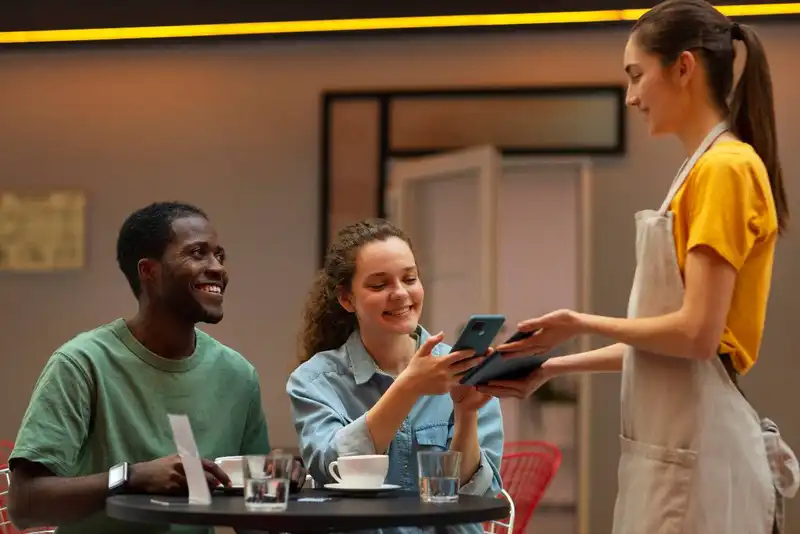
Before you choose rewards or tools, you need to be clear on who you are trying to keep and what you want from your loyalty program. If you skip this step, you may give away free food without changing guest behavior.
Start with the people who already visit you the most. Look at your days and shifts -
- Do you serve office workers at lunch?
- Do you see a lot of families on weekends?
- Are you close to a school, gym, hospital, or business park?
- Do delivery and takeout make up a big part of your sales?
You can learn a lot from simple sources you already have - your POS reports, online ordering history, and delivery platform data. Check which hours are busy, which days are slow, and which items sell the most. You do not need a full data team. Just look for patterns- who comes, when they come, and what they buy.
Next, pick one or two clear goals for your loyalty program. For example -
- Get lunch guests to come one extra time each week.
- Fill slow Monday/Tuesday evenings.
- Increase add-ons like drinks, sides, or desserts.
- Move more orders from delivery apps to your own channels.
When you know your main guest types and your top goals, you can design engaging customer loyalty programs that fit real habits. For example, if your lunch guests are in a hurry, a simple "Buy X lunches, get one free" is easier than a complex points system. If your weekends are packed but weekdays are slow, you might offer rewards that are only valid Monday-Thursday.
This basic step keeps your program focused, easier to manage, and more likely to pay off.
Keep Loyalty Programs Simple
Many loyalty programs fail because they are too complicated. If your staff can't explain it in a few short sentences, guests will not remember it. A good rule is this - if you can't explain the program in 30 seconds or less, it's too complex.
Start with a simple structure. Here are three easy formats that work well for most restaurants -
1. Visit-based rewards
- Example. "After 8 visits, your next meal is 50% off."
- Easy for guests to understand and easy for staff to explain.
2. Spend-based rewards
- Example. "Earn $5 for every $50 you spend."
- Works well if your check sizes vary a lot.
3. Item-based rewards
- Example. "Buy 9 coffees, get the 10th free."
- Great for cafes, bakeries, or quick-service spots with frequent small purchases.
Whichever format you choose, keep the rules clear -
- What counts as a "visit" or qualifying purchase?
- Are alcohol, catering, or third-party delivery orders included?
- How does the guest redeem their reward, and does it expire?
Try to remove friction at sign-up. A report from loyalty providers often shows that shorter forms lead to higher completion rates. Asking for just a name and email or phone number is usually enough to start. You can always learn more later.
Also think about how your team will track it. Will you use your POS, a simple app, punch cards, or a digital punch link? The system should be easy to use in the middle of a rush.
In the end, engaging customer loyalty programs are not about fancy features. They are about clear, simple promises that guests can remember and actually use. When guests understand how to earn and redeem rewards, they are much more likely to take part - and to come back.
Low-Tech Loyalty Ideas
Not every restaurant needs apps, logins, and complex systems. You can run engaging customer loyalty programs with very simple tools. The key is to make them clear, trackable, and visible to guests and staff.
1. Smarter punch or stamp cards - Classic punch cards still work if you use them well.
- Example. "Buy 9 lunches, get the 10th free," or "Buy 6 coffees, get 1 pastry free."
- Print your logo and basic rules right on the card so there's no confusion.
- Limit how many punches a guest can get per day and set an expiry date (for example, 90 days) so rewards don't sit unused forever.
2. Receipt-based bounce-back offers - Use the paper you're already handing out.
- Add a simple offer to the bottom of the receipt. "Bring this receipt back within 7 days for a free drink with any entree."
- This gives guests a reason to return soon instead of "someday."
- You can change the offer on slow days, like Monday-Wednesday, to help even out traffic.
3. In-bag or on-box coupons for takeout and delivery - For takeout and delivery orders, add a small flyer or sticker.
- "Order directly from our website next time and get a free side."
- "Show this coupon for double punches on your next visit."
4. Train staff with simple scripts - Even the best idea fails if your team doesn't mention it.
- Give staff one or two short phrases, like, "Would you like a punch card? You get a free meal after 9 visits."
- Remind them at pre-shift meetings and thank them when they remember.
These low-tech options are cheap, fast to launch, and easy for both guests and staff to understand. They can be your first step into loyalty before you add more digital tools later.
Simple Digital Loyalty Programs
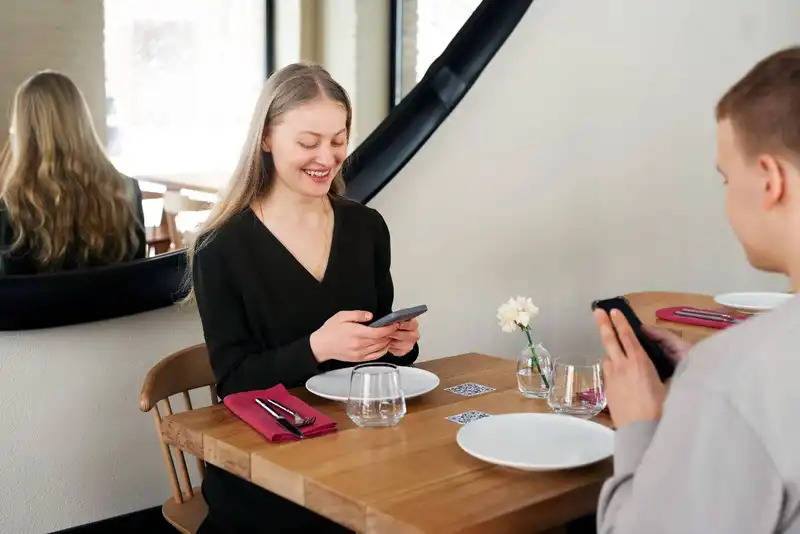
You might think "digital loyalty" means building an app or hiring an agency. In reality, many restaurants already have the basics sitting unused in their POS, online ordering system, or email tool. The goal is to turn these quiet tools into simple, engaging customer loyalty programs.
Start by checking what your POS or online ordering platform can do. Many systems already let you -
- Track guest visits or spending
- Add simple rewards (like points or visit counts)
- Export lists of emails or phone numbers
If you can pull a list of past guests with emails or phone numbers, you already have a strong base. Some industry reports show that loyalty members can spend 15-20% more per visit than non-members, especially when they receive timely offers. That means even a small digital program can add up over time.
Here are a few easy ways to start -
1. Email or SMS list with clear rewards
- Offer a simple perk for joining. "Get a free dessert on your next visit when you join our list."
- Send short, clear messages. one main offer, one clear action, and an expiry date.
2. Digital punch or QR-based check-in
- Use a QR code on tables, menus, or receipts that links to a simple "check-in" page.
- After a certain number of check-ins, guests earn a reward.
3. Order-direct incentives
- If you have your own online ordering, give a small reward for ordering directly instead of through third-party apps.
Keep the tech simple enough that your team can use it during a rush. Test the process yourself as if you were a guest- Is it easy to join? Is it clear how to earn and redeem? When digital tools are used in a simple
Reward Ideas That Feel Generous
The best loyalty rewards feel special to guests but still work for your numbers. You don't have to give away full meals or big discounts to make people happy. You just need rewards that feel like a "treat" while keeping food cost under control.
Start by looking at your menu. Which items have low food cost but high perceived value? These are strong candidates for rewards -
- Fountain drinks, drip coffee, or tea
- Fries, chips, or simple sides
- Desserts like cookies, brownies, or soft-serve
- Small upgrades, like adding cheese, extra sauce, or a larger size
Instead of $10 off, try rewards like -
- "Free dessert with any entree"
- "Free drink after 5 visits"
- "Free side with any combo on your next visit"
These feel generous but usually cost you much less than a big discount on the full check. Many operators aim to keep loyalty rewards around 3-5% of sales. That way, the extra visits and higher average checks from loyalty guests cover the cost of freebies.
You can also use time-based rewards to guide behavior -
- Double points or a free side on slow days (Monday-Wednesday).
- A free coffee before 10 a.m. with any breakfast item.
- A special reward for trying a new menu item.
Make sure the rules are clear - what the reward is, when it can be used, and if anything is excluded. Simple, well-chosen rewards help you run engaging customer loyalty programs that guests love and your profit and loss can handle.
Getting Your Guests Excited About the Program
Even the best loyalty program will fail if your team doesn't talk about it and your guests barely notice it. The goal is to make the program part of everyday service, not a side project that only lives on a flyer.
Start with your staff. Explain why the program matters in simple terms - more repeat guests, more steady sales, and more chances for tips. Walk them through the details so they feel confident -
- What the offer is
- How guests earn rewards
- How to look it up or track it in the POS or on the card
Give them short, easy scripts they can use during normal service, such as -
- "Do you want to join our rewards program? You get a free dessert after a few visits."
- "You're close to a reward today; want to use it or save it?"
Remind your team at pre-shift meetings. Share basic numbers, like how many sign-ups you had last week, and set a simple target for this week. You can even run small, low-cost contests for staff, such as a gift card or free meal for the person with the most sign-ups.
For guests, make the program visible -
- Put a short message on menus, table tents, and near the register.
- Add a line on receipts - "Ask us about our rewards program."
- Mention it on your website and social media in plain language.
When staff are confident and guests hear the same clear message in multiple places, your engaging customer loyalty programs start to feel normal and trustworthy. The result is more sign-ups, more repeat visits, and less work over time to push the program.
Tracking, Adjusting, and Keeping the Program Fresh
Once your loyalty program is running, the real work is to see what's happening and make small changes. You don't need complex reports, but you do need a few simple numbers to know if your efforts are paying off.
Start by tracking -
1. Sign-ups - How many guests join each week or month?
2. Repeat visits - Are members coming back more often than non-members?
3. Reward redemptions - Are people actually using their rewards?
4. Average check - Do loyalty members spend a little more per visit?
Many POS or loyalty tools can show these numbers. If not, you can track the basics in a simple spreadsheet. Look for trends, not perfection. For example, if sign-ups are low, maybe staff are not mentioning the program enough, or the offer is not strong enough to catch attention.
Review the program at least once a month. Ask -
- Are we giving away too much or too little?
- Are rewards helping slow days, or only busy ones?
- Are guests confused about how it works?
Make one small change at a time, such as -
- Lowering or raising the number of visits needed for a reward
- Adding a time limit so rewards are used sooner
- Testing a new reward item with better margins
To keep the program fresh, add simple "boosts" now and then -
- Double points days on slow shifts
- A birthday or anniversary reward
- Special bonuses for trying new menu items
These small adjustments help your engaging customer loyalty programs stay interesting without constant reinvention. Over time, you build a steady rhythm - track, adjust, and repeat. This is how a simple program becomes a reliable tool for bringing guests back again and again.

Employee scheduling
Human Resource Management for Restaurants
Employee scheduling
Common Payroll Challenges in Restaurants
Sales forecasting
How to Use Restaurant Analytics to Improve Profitability
Restaurant management
The Complete Guide to Restaurant Reputation Management
Accounting payroll
Restaurant Cash Handling Procedures
Accounting payroll
How to Manage Restaurant Finances

Employee scheduling
How to Motivate Restaurant Staff
Software integration
10 Ways Technology Can Help Control Food Cost in Restaurants
Frequently Asked Questions
How much guest info should I collect for my loyalty program?
In the beginning, ask for the minimum you need - usually a name and email or phone number. Short forms get more sign-ups. Once trust is built, you can invite guests to share more, like birthday or favorite location, to send more targeted offers.
How can I get my staff to promote loyalty programs?
Train them with short scripts and explain why the program helps - more regulars, more consistent sales, and more tip opportunities. Remind them during pre-shift meetings and share simple goals, like "Let's sign up 20 guests this week."
Why should my restaurant have a loyalty program?
Because repeat guests are usually worth more than first-time guests. It often costs several times more to win a new customer than to keep an existing one, so a good loyalty program helps protect your sales and smooth out slow days.
How do I keep my loyalty program from going stale?
Add small twists over time- double points days, birthday rewards, limited-time bonuses, or rewards tied to new menu items. You don't need to redesign the whole program - just add simple boosts that keep guests interested.