What are 4 steps to food safety ?
A lot of people don't think about food safety until it's too late. Even if you're careful about what you eat, there are still many ways that bacteria and other harmful germs can spread. A few simple steps can help to keep your kitchen clean and safe, giving you an extra layer of protection against salmonella, E. Coli, listeria, and other bacterial outbreaks. When dining out, these tips will make sure your meal is as germ-free as possible.
4 Steps to Food Safety - How to Stay Safe and Avoid Food Poisoning
Why Food Safety Is Important
Food safety and a healthy life are two co-dependent phrases ! It is extremely risky to consume food that is not guarded by preventive measures. If hygiene is not followed even while growing, harvesting, processing, cooking and storing food, it can be detrimental for health.
In USA, every year,48 million people get sick, 128,000 are hospitalized, and 3,000 die from foodborne illness, as per the data showed by the Centers for Disease Control and Prevention.
Contaminated food, apart from food poisoning, can even lead to life-taking medical conditions.
1. If your eatables get contaminated by bacteria like Salmonella , it can cause two kinds of foodborne illness-
Nausea, vomiting, diarrhea, cramps, and fever, with symptoms generally lasting a couple of days and tapering off within a week. Raw foods like fruits and vegetables , nuts and raw meat poultry are likely to be contaminated by Salmonella.
2. Enteric fever high fever, food poisoning -- diarrhea or constipation, aches, headache, and drowsiness. l Enteric fever includes typhoid fever and paratyphoid fever.
3. The US FDA has identified that a bacteria called Campylobacter has caused most of the foodborne illness in USA. Campylobacter can enter the body through contaminated water, unpasteurized milk or cheese, and undercooked , raw meat poultry seafood .
It can cause gastrointestinal symptoms , nausea, food poisoning -- vomiting, diarrhea (sometimes bloody), cramps as well as a fever typically appear within 2 to 5 days and may last up to 10 days.
In some cases, Campylobacter may spread to the bloodstream and cause a life-threatening infection.
4. The US FDA says that although foodborne Listeriosis is not common, it is one of the leading causes of death from foodborne illness .
Listeria can cause two forms of disease
- It can cause mild to intense nausea, vomiting, aches, fever, and, sometimes, diarrhea, and usually resolves itself.
- Invasive Listeriosis is a deadly form that occurs when the infection invades beyond the gut to sites like the blood or brain. This can cause blood infection, meningitis infection around the brain and other potentially fatal problems. In pregnant women, Listeria infection can cause miscarriage, stillbirth, preterm labor, and severe illness or death in the newborn.
4 Steps to Food Safety in the Kitchen
To prevent any foodborne illness or food poisoning, the United States Food and Drug Administration and Centres for Disease Control and Prevention (CDC), issues advisories from time-to-time.
These advisories mainly include steps to ensure food safety in the kitchen-
1. Properly Cooking raw foods like poultry and seafood
2. Food Storage
3. Hygiene
4. Avoid cross-contamination
You're eating at a friend's house and you're not sure if the food is safe.
You're at a restaurant and you're not sure if the food is safe.
Proper Cooking
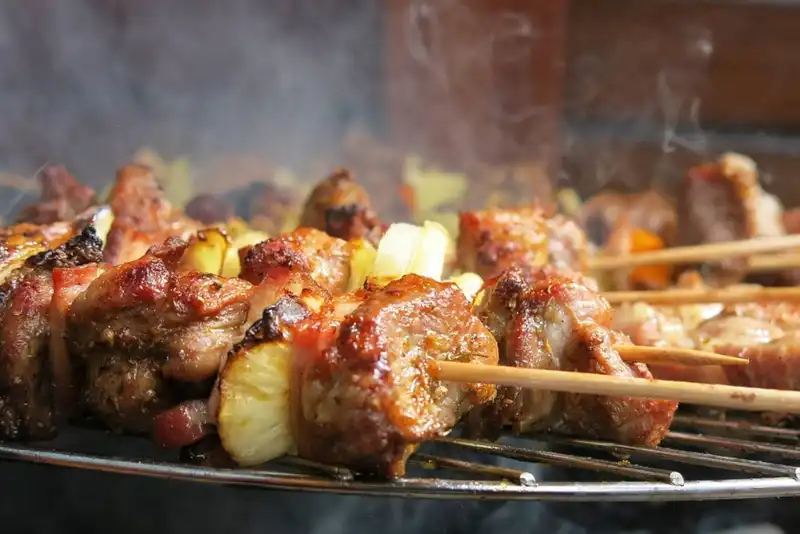
Cooking food at the right temperature can kill germs and bacteria causing foodborne illness. It is very difficult to say if the food is properly cooked just by seeing its color or checking its texture, especially in the case of meat poultry.
The only way that can guarantee you the right internal temperature is by using a food thermometer.
Considering the importance of the right internal temperature of the food for health, the Centres for Disease Control and Prevention has even recommended the ideal cooking temperature for meat poultry seafood .
- Whole cuts of beef, veal, lamb, and pork, including fresh ham ( raw meats )- 145F (then allow the meat to rest for 3 minutes before carving or eating)
- Fish with fins- 145F or cook until flesh is opaque
- Ground meats, such as beef and pork- 160F
- Meat poultry, including ground chicken and turkey- 165F
- Leftovers and casseroles- 165F
Food Storage
- If cooking temperature can kill germs, making the food healthy, storage temperature can add to the longevity of the food. Thus, storing food at the correct temperature is as important as cooking food at the right internal temperature .
- There is a danger zone between 40 Fahrenheit and 140 Fahrenheit. If food is left between this temperature or room temperature , it can lead to bacterial growth. In fact, the bacteria can grow at a double rate in just 20 minutes when the food is stored in the temperature danger zone.
- CDC suggests to refrigerate food within two hours of cooking.
- Also, do not store ready to eat packets for longer than 4-5 days after its unsealing.
Hygiene
- We cannot emphasize the importance of handwashing any more. Handwashing is the first step to maintaining hygiene in the kitchen and all Food Safety and health organizations vouch for it.
- Wash your hands before you start cooking. Thoroughly clean your hands and fingers with soapy water for 20 seconds to make them germ-free. It is one of the easiest and guaranteed ways to prevent foodborne illness .
- Kitchen cleaners' towels are often moist and wetan ideal environment for bacterial growth. Make sure to wash them in hot water and sun dry them regularly.
- Cleaning fruits and vegetables is equally important as washing hands to ensure Food Safety .
- Make sure to wash dishes, pans, cooking pots in hot soapy water every night before shutting down the kitchen. Immerse these in a sanitizing solution that can be prepared using chlorine bleach and lukewarm water. Air-dry the dishes as the towels and sponges could contaminate the dishes.
Avoid Cross Contamination
- Raw meats are highly prone to bacterial growth , so it is important to use separate cutting boards and cutting tools.
- If using kitchen station or table top as chopping board, make sure to clean it. Since we are used to mounting all ingredients, raw meat and materials on kitchen slabs, it can become a source of cross contamination.
- Wash your produce like spinach, lettuce and tomatoes thoroughly as they are more prone to E-coli and salmonella during harvest. Again, use separate knives and cutting boards for fruits and veggies to avoid cross-contamination.
- All these measures can strengthen your Food Safety system.
Conclusion
Maintaining kitchen hygiene is no rocket-science. All you need to do is be a little extra attentive and careful when dealing with perishable items. Make it a habit to wash your hands the moment you enter kitchen. It will reduce the risk of cross contamination , consequently curbing food poisoning and other foodborne illness . Clean your kitchen appliances and cutting boards from time-to-time.
And, cook and store food at right temperature to ensure Food Safety .
To learn more, click on Food Safety , Supply Chain
The thought of food poisoning is a scary one.
You don’t want to be sick for the day or worse, you don’t want your family members to get sick from eating your food.

How to Build Engaging Customer Loyalty Programs for Restaurants
How to Track Time Accurately for Hourly Restaurant Staff
Are You Following US Labor Laws in Your Restaurant?
How to Design High End Restaurant Loyalty Programs
The Essential Steps Involved in Sales Forecasting for Restaurants
The 6 Types of Inventory Management Reports for Restaurants
Essential CCP Food Handling Procedures Every Restaurant Must Follow
The Complete Guide to Efficient Employee Scheduling for Restaurants
The Different Methods of Sales Forecasting for Restaurants
What are the four types of inventory management for restaurants?
Daily Cash Control Checklist for Restaurant Owners
Top Inventory Management Strategies for Restaurants
Food Safety Standards Every Restaurant Owner Must Know in 2025
How to Build a Restaurant Inventory Management Process from Scratch
The Complete Guide to Restaurant Waste Management for Owners
5 Signs Your Hotel Needs to Upgrade Its Payment Processing System
The Ultimate Daily Checklist for Restaurant Owners
Are You Over-complicating Your Restaurants Payroll Process?
How Can Smart Scheduling Transform Your Restaurant's Efficiency?
What Are the Best Email Marketing Campaign Ideas for Restaurants in 2025?
How Can You Maintain Brand Consistency Across Multiple Franchise Locations?
How Can Restaurants Prevent Scheduling Conflicts and Last-Minute Absences?
What's the Most Efficient Way to Manage Tasks in a Busy Restaurant?
What Should You Look for When Interviewing Restaurant Staff?
What Is a Dram Shop Law and How Does It Affect Your Restaurant?
What Features Should Every Restaurant Ordering System Have in 2025?
What Are the Most Cost-Effective Ways to Reduce Waste in a Restaurant?
Are Your Menu Items Costing You More Than They're Worth?
How Do You Handle Overtime and Tip Credit in Restaurant Payroll?
Are You Spending Too Much Time on Payroll? Here's How to Fix it
How Can I Implement an Effective Inventory Management System in my Restaurant?
What Are the Main Inventory Costing Methods for Restaurants?
How to Optimize Order Fulfillment in Your Restaurant
How to Design an Effective Employee Training Program for Restaurants
9 Essential Workforce Management Tools Every Restaurant Needs
How to Read and Use Your Restaurants Profit and Loss Statement
How to Organize Your Restaurant's Financial Records Efficiently
Restaurant Billing 101 - Simplify Your Finances and Boost Efficiency
The Ultimate Guide to Accounts Payable Automation for Restaurant Owners
Benefits of Accounts Receivable Automation for Restaurants
Restaurant Bookkeeping 101 - A Beginner's Guide for Restaurant Owners
Invoice Management 101 - A Simple Guide for Restaurant Owners
What Are Par Levels and Why Every Restaurant Owner Should Care
5 Simple Ways to Speed Up Accounts Receivables Collections in Your Restaurant
Which Inventory Method is Best for Your Restaurant?
Setting Up an Employee Loan Program in Your Restaurant
The Ultimate Employee Onboarding Checklist for Restaurant Owners
Top 7 Payroll Mistakes Restaurant Owners Should Avoid
How to Calculate Food Cost Variance in Your Restaurant
A Guide to Understanding Customer Behavior in Restaurants
Top 10 California Employment Laws Every Restaurant Owner Must Know
How to Create Custom Recipe Templates for Your Restaurant Kitchen
10 Smart Ways To Use Food Handling Gloves To Ensure Kitchen Safety
What to Look for When Selecting a Bluetooth Wireless Meat Thermometer
Essential Food Safety Regulations Every Restaurant Must Follow in 2025
5 Practical Strategies to Cut Food Waste in Your Restaurant
Understanding Restaurant Food Cost Percentage in 2025 - Strategies for Profitability
Top 7 Food Safety Organizations You Need to Know About in 2025
The Restaurant Owner's Guide to Streamlining Supply Chain Processes
How to Efficiently Calculate and Manage Labor Cost in Restaurants
Key Elements of a Successful Restaurant Scheduling System
How to Reduce Labor Costs in Your Restaurant Without Sacrificing Service
5 Best Practices for Food Inventory Management to Reduce Waste
Understanding California Overtime Laws for Restaurants
Top Features to Look for in an Electronic Time Clock for Restaurants
The Best Employee Rewards Programs for Restaurants
How a Restaurant Scheduling App Helps You Avoid Common Scheduling Mistakes
Features to Look for in a Clock-In Machine for Restaurants
How to Improve Time and Attendance Tracking in Your Restaurant
How California Work Week Laws Affect Restaurant Scheduling
Best Practices for Calculating Payroll Hours in Restaurants
How Technology Can Improve Employee Management in Restaurants
California Employment Laws Every Hotel Owner Should Know in 2025
California's Updated Overtime and Break Laws for Restaurants
10 Essential Work Schedules for Running a Smooth Restaurant Operation
How to Accurately Calculate Work Hours for Your Restaurant Staff
Best Practices for Managing Employee Time and Attendance in Restaurants
How to Create an Efficient Restaurant Weekly Schedule That Boosts Productivity
Top 5 Benefits of Automating Your Business Workflows
The Power of API Integrations - Connecting Your Business Tools Seamlessly
The Importance of Seamless Integrations in Today's Business Landscape
How Workflow Automation Can Save Small Businesses Thousands of Dollars
How Any Connector Simplifies API Integrations for Your Business
Empowering Your Employees with Automation- A Win-Win Strategy
Building a Business Case for Automation in Your Organization
Automation in Hospitality - Streamlining Guest Experiences
5 Ways Restaurants Can Leverage Automation for Operational Success
The Ultimate Guide to Accurate Inventory Counting in Restaurants
How to Effectively Reduce Expenses and Increase Staff Engagement in Your Restaurant
How to make sure you will always meet labor goals before you run payroll
How to reduce labor costs without retraining your management team.
How to clone a proven employee scheduling system your managers will love without hiring expensive consultants.
3 top reasons your managers should always earn their bonuses
How to guarantee your franchise technology rollout will be a success
How to reduce labor costs by 3-5% without ever using an excel spreadsheet again
Why your IT team has to provide better mobile apps for you to stay competitive
How to streamline your business operations test for maximum efficiency
How to make sure your technology projects are on time and on budget
Why employee engagement and retention are the keys to improving profitability
The easy way to write great employee schedules
How to manage your restaurant inventory planning to ensure you're never caught short
5 Basic Inventory Management Tips That Can Save You Money
Top 3 Reasons Why You Need Cloud-Based Inventory Management Software
The Best Food Service Management Companies in the Industry
7 Tips for Choosing the Best Restaurant Directory Software
Top 11 Types of Food Safety Labels- Know the Difference to Protect Yourself
10 Inventory Management Stock Control Tips For Your Business
The Benefits of HR Software Reporting For Professionals
5 Top HR Software Solutions To Consider For Your Business
Tips for Retaining Hourly Restaurant Employees
Hurdles That Keep Restaurant Chains From Becoming The Employer Of Choice
Why You Should Start Using Restaurant Payroll Software
How To Make The Most Out Of Your Simple Inventory Management Software
Food Waste Management- 6 Strategies to Reduce the Impact of Food Waste
The Average Restaurant Food Cost Percentage & What You Can Do About It
Inventory Management Best Practices- A Guide to Controlling Your Inventory
How to Choose the Right Restaurant Dashboard Software for Your Needs
Five Ways That Food And Safety Come Together For Great Benefits
5 Free Inventory Management Tools for Small Businesses
3 Ways You Can Get Your Employees to Love Cloud-based HR and Payroll Software
5 Ways to Improve Your Multi Channel Inventory Management
5 Tips for Food Safety and Sanitation- What You Need to Know
What You Need to Know About Food Safety Issues and How To Prevent Them
The Best Restaurant Point of Sale Software for Your Business
The Best Restaurant Loyalty Programs- Which One Is Right for You?
9 Loyalty Program Ideas for Restaurants That Will Make Your Customers Come Back
The Best Inventory Management Software- The Ultimate Guide
Top 5 Best Bluetooth Meat Thermometers- Powering Up Grilling and Smoking
The Best Free Employee Scheduling Apps to Help Your Business Run Smoothly
Food Safety Temperature Chart- Safe Temperatures for Cooking and Storing Food?
Danger Zone Food Safety and How to Keep Your Food From Spoilage
5 Tips for Choosing the Best Kitchen Equipment Supplier
Mobile Device Inventory Management- A Guide to Help You Do It Right
Food Safety Rules You Should Always Follow to Keep Your Family Safe
4 Steps to Food Safety - How to Stay Safe and Avoid Food Poisoning
What To Eat? The FDA Food Safety Reforms You Need To Know About
Top Free Inventory Management Software for Small Businesses
4 Types of Inventory Management Systems and How They Affect Your Business
HR Recruitment Software- Why Restaurant Chains Fail To Become Preferred Choice
Food Waste Management Solutions- The Ultimate Guide to Eliminating Food Waste
HR Software Solutions- Tips For Retaining Hourly Restaurant Employees
How Restaurant Food Suppliers Are Important To A Business
What Are The Best Restaurant Paper Goods Suppliers?
The Ultimate Guide to Inventory Management Techniques
5 Questions to Ask Yourself Before Hiring a Food Service Management Company
Ordering Management System- Issues Faced by Multi-Chain Restaurants In 2022
The Food Safety System Management- How To Optimize Your Process
The Best Employee Time Clock Machines for Your Business
The Top 5 Reasons to Switch to Cloud Based HR Software
Our Top 5 Best Employee Scheduling Apps For Small Businesses
Food Manual Handling- What You Need to Know and Why It Matters
Best POS System For Restaurant- What To Look Out For and Things To Consider
8 Tips for Successful Financial Management In Food Service
5 Tips for Improving Your Data Integration Software
America's Fastest Growing Restaurant Chains That You Probably Haven't Heard Of
The Best Employee Shift Planning Manager | Employee Scheduling & Shift Planning
Free Employee Time Clock to Give Your Business a Competitive Edge
HR Timesheet Software- What To Look For and How It Works
Tracking Time Effectively- The Best HR Time Tracking Software
Supply And Demand Management- The Best Ways To Manage Your Supply Chain.
Employee Data Technology- How This Trend is Transforming Your Organization.