What's the fastest way to increase foot traffic?
Start with the basics - clear hours online, better storefront visibility (lighting/signage), and a simple reason to visit now (limited-time item or bundle).
How to Increase Restaurant Foot Traffic

Overview
Foot traffic is the lifeblood of most restaurants. When more people walk in the door, everything gets easier- staffing feels more predictable, prep gets more accurate, and your sales aren't tied to one delivery app.
Most walk-ins start as online decisions. Google reports that 89% of dining research happens on a mobile phone before someone visits a restaurant. In other words, "foot traffic" isn't just what happens on the sidewalk - it starts on a screen, often minutes before someone decides where to eat.
The challenge is that foot traffic doesn't drop for one reason. Sometimes people don't know you're there. Sometimes they know, but there's no clear reason to stop. Other times they want to try you, but the experience feels like work - unclear signage, slow ordering, confusing hours, or a menu that's hard to understand when they're in a hurry.
A lot of owners jump straight to discounting the menu to "create demand." Discounts can help in the right moment, but they can also train guests to wait for deals and squeeze your margin fast.
This guide breaks down practical ways to increase foot traffic without guessing - starting with how to diagnose what's really blocking walk-ins at your location.
Make Your Restaurant Easy to Notice From the Street
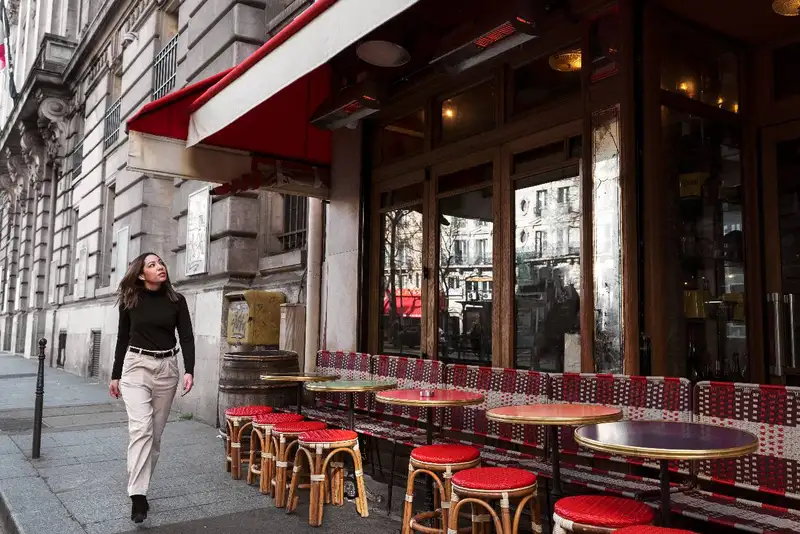
If you rely on walk-ins, your storefront is your first ad. The goal isn't to look fancy - it's to be clear. When someone is driving or walking by, they're deciding in seconds. If they can't tell what you sell, whether you're open, or what to try, they keep moving.
Start with the "3-second test." Stand across the street (or in a parking lot) and ask -
1. What kind of food is this?
2. Are they open right now?
3. What should I order?
If you can't answer those fast, most customers can't either.
Clean, bright, and readable beats "creative"
1. Lighting matters. A well-lit entrance, windows, and sign make you look open and safe - especially at night.
2. Declutter the windows. Too many stickers, posters, and faded signs make the place feel messy. Keep only what helps the decision.
3. Make the door obvious. If the entrance is confusing, people won't work to figure it out.
Signage that actually pulls people in
Your sign doesn't need clever wording. It needs useful wording -
1. Put your core category in plain language (Tacos, Kebabs, Pizza by the Slice, Ramen, Breakfast Burritos).
2. Add one high-demand cue (Fresh grilled chicken, Wood-fired, Hot sandwiches, Family meals).
3. Show your hours clearly and make sure they match online.
Use a sidewalk "hook"
If local rules allow it, a simple A-frame or sidewalk board can do a lot -
- Lead with one popular item + price (Chicken Bowl + Drink $12)
- Or a limited-time item (Spicy Birria Week)
- Or a time-based message (Lunch in 10 minutes)
Make the inside look active from outside
People are drawn to places that look "alive." If your windows are covered, the lighting is low, or the counter area looks chaotic, it creates hesitation. Keep the front area organized, bright, and welcomingso a passerby can picture themselves ordering quickly.
This section is about removing friction before a guest ever steps inside. When your storefront answers questions instantly, you'll win more of the traffic you already have.
Turn Online Discovery Into Walk-Ins
Even if your goal is more people walking through the door, the decision usually starts online. Most guests don't explore anymore - they confirm. They confirm you're open, the food looks good, the price feels fair, and they can get in and out without hassle. If your online presence is unclear, you lose foot traffic before the guest is ever on your sidewalk.
Make Google your first priority
For most restaurants, your Google Business Profile is the number one driver of local discovery. Treat it like a living storefront, not a one-time setup.
Focus on the basics that directly impact walk-ins -
- Accurate hours (including holiday hours). If your hours are wrong even once, people remember.
- The right categories (not just Restaurant, but the type of food you actually sell).
- Strong photos that show your best sellers, not random shots of the dining room.
- Menu links that work on mobile. If your menu is a blurry PDF, you're adding friction.
Also, use Google posts to promote in-store reasons to visit- limited-time items, lunch combos, weekend specials, or a new seasonal drink.
Win "near me" searches without getting technical
People search simple phrases like "best lunch near me," "tacos near me," or "coffee shop near me." You help yourself show up by -
-Using those phrases naturally in your description and posts
- Adding photos with simple captions (e.g., Chicken shawarma wrap)
- Encouraging reviews that mention what you're known for (fast lunch, great tacos, good family meal)
Make your social profiles a decision tool
Most restaurants post content, but forget to make the page useful. Your Instagram or Facebook should answer -
- Where are you?
- What are your hours?
- What should I order?
- How do I walk in / order ahead?
Pin a post with your top items, hours, and location. Keep a highlight for "Menu," "Parking," and "Popular Items." The goal is not to entertain - it's to help someone choose you in 10 seconds.
When your online info is clean and convincing, it doesn't replace foot traffic - it feeds it.
Use Local Marketing
Local marketing works best when it's simple and consistent. You don't need a big budget or a complex strategy. You need a repeatable plan that puts your restaurant in front of nearby people who can realistically show up today or this week.
Build a weekly rhythm you can actually maintain
Instead of doing random marketing, run the same basic schedule every week -
- 2 local posts (one food-focused, one offer or reminder)
- 1 community touchpoint (partner, event, neighborhood group, or nearby business)
- 1 in-store push (signage, table tent, receipt message, or counter script)
This keeps you visible without eating your time.
Partner with businesses that already have your customers
Foot traffic often comes from where people already are. Start with the closest and easiest partners -
- Offices (lunch orders, employee meals, meeting trays)
- Gyms (post-workout specials, healthy add-ons, smoothie tie-ins)
- Salons/barbershops (referral cards, "show a receipt" perks)
- Schools (teacher meals, team nights, fundraiser nights)
- Hotels and apartment buildings (welcome flyers, front desk recommendations)
Keep it straightforward. Offer a clear reason to send people your way, like a small add-on perk or a "show this card" bonus - without cutting your prices in half.
Use hyper-local visibility, not broad advertising
Most owners waste money targeting too wide. Your best customers usually live or work within a short drive. Get in the places they already look -
- Neighborhood Facebook/WhatsApp groups (be helpful, not spammy)
- Local events calendars and community bulletin boards
- Farmers markets, street fairs, school events, charity nights
- Cross-promo with nearby businesses (shared posts, shared coupons, shared signage)
Make it easy for staff to support marketing
Marketing isn't just online. Train staff to ask one simple question at checkout -
- "Is this your first time here?"
- If yes, give a quick "what to try next time" suggestion or a bounce-back offer (even a small one). That turns one visit into two.
Local marketing isn't about going viral. It's about staying top-of-mind in your immediate area so you win the next meal decision.
Give People a Reason to Come In Now
A lot of restaurants try to solve slow foot traffic with blanket discounts. It feels like the fastest lever to pull - but it can create two problems - it cuts margin, and it trains guests to wait for a deal. A better approach is to create a "reason to visit" that feels timely and valuable, without constantly lowering your prices.
Use urgency that doesn't destroy profit
Limited-time offers work because they give people a reason to act now. The key is to focus on items that are easy for your kitchen and still protect margin -
- A weekly feature (Spicy chicken bowl week or Weekend brunch special)
- A seasonal item (one new drink, one new dessert, one limited sauce)
- A time-based offer for slow hours (2-5 PM snack combo)
You're not discounting everything - you're spotlighting something specific.
Bundle for value, not cheapness
Bundles can raise foot traffic because guests understand the deal quickly. Keep bundles simple -
- Main + side + drink
- Family meal set
- Lunch combo with a clear time promise ("Lunch in 10 minutes")
Bundles work best when the guest feels they're getting convenience and value, while you keep your food cost under control.
Add small perks instead of cutting menu prices
If you need a nudge, try an upgrade style perk -
- Free drink size upgrade
- Free extra sauce or topping
- Free side with a specific item
- "Kids eat for $X with adult entree" (only on slow nights)
These feel meaningful to guests but usually cost less than heavy discounting.
When discounting your menu actually makes sense
Discounting can be smart if it's targeted and tied to a goal -
- Fill slow dayparts (not peak hours)
- Bring in first-timers (one-time use)
- Move a specific item you can execute fast
Use guardrails - limit the days, limit the hours, and avoid discounting your highest food cost items.
The goal is simple - give people a clear reason to walk in today - without making "cheap" your main selling point.
Improve the Walk-In Experience
Getting someone to walk in once is hard. Getting them to come back is where foot traffic becomes reliable. The walk-in experience doesn't need to be perfect - it needs to feel smooth, welcoming, and worth repeating.
Make the first 30 seconds easy
The moment a guest walks in, they're asking themselves - "Where do I go, and what do I do?" If they hesitate, you're losing momentum.
Simple fixes -
- Clear signs. "Order Here", "Pick Up Here", "Please Wait to Be Seated"
- A visible menu that's readable from the line
- A friendly greeting within a few seconds, even if it's just - "Hi! We'll be right with you."
That greeting matters because it reduces uncertainty. People are more patient when they feel seen.
Reduce decision stress on the menu
A menu can be good and still slow foot traffic if it's too hard to choose quickly. Help guests decide fast-
Label 3-5 best sellers clearly
- Add simple descriptions (what it is, what it tastes like, what it comes with)
- Keep modifiers and customization organized so ordering doesn't feel like a puzzle
If you can shorten the time it takes to decide, you speed up the line and improve the overall vibe.
Protect speed and consistency during peak moments
Foot traffic grows when people believe you're a dependable option. That means you need steady execution -
- Prep your top sellers for rushes (so you don't fall behind)
- Train one person to manage the line or the host stand during peaks
- Set a realistic ticket-time goal and watch it closely
Slow, inconsistent service is one of the fastest ways to turn a first-time walk-in into a "maybe never again."
Don't ignore the basics guests notice right away
Clean floors, clean restrooms, good lighting, and a comfortable sound level matter more than fancy decor. If the front of house looks messy, it signals stress - and guests feel it.
When the walk-in experience is clear, fast, and friendly, you don't just increase foot traffic. You increase repeat foot traffic, which is the cheapest and most stable kind you can get.
Drive Repeat Foot Traffic With Simple Retention Systems
If you want steady foot traffic, you can't rely only on "new" guests. The most predictable way to keep your dining room busy is to give first-timers a reason to return - and make it easy for regulars to come back more often. Retention doesn't have to be complicated. It just has to be consistent.
Collect guest info in a way that feels normal
Most restaurant owners skip this because it sounds too marketing-heavy, but it can be simple -
- Wi-Fi sign-in (optional email/text)
- A QR code at the counter. "Get our weekly special"
- A quick loyalty sign-up on the receipt or screen
- A short line on a sign. "Want $--- off your next visit? Join our text list."
The point isn't to build a giant list overnight. It's to build a list of nearby people who already like you.
Use messages that bring people back in person
If you do email or texts, keep it short and practical. Focus on reasons to visit -
- New item or limited-time special
- A daypart offer for slow times (2-5, late night, Mondays)
- Reminder messages (We're open late tonight or Lunch special ends at 2)
- A "we miss you" nudge for people who haven't visited in 30-45 days
Avoid spamming. One to two messages per week is enough for most restaurants.
Turn regulars into your simplest referral engine
People trust friends more than ads. Give regulars a reason to bring someone -
- Bring a friend, get a free side
- Two lunches, one price (limited times)
- Referral card with a small perk, not a huge discount
Foot traffic grows when you stop treating each walk-in like a one-time transaction - and start treating it like the beginning of a repeat habit.
Set Up an Online Ordering and Reservations System
It might sound backwards, but one of the best ways to increase in-person foot traffic is to make your restaurant easier to choose online. Many guests decide where to eat based on convenience - Can I order quickly? Can I reserve a table? Will this be a hassle? If the answer is unclear, they move on to a place that feels simpler.
Put "Order Ahead" and "Reserve Now" everywhere people look
Once you have online ordering or reservations, don't hide it. Make it obvious in these spots -
- Your Google Business Profile buttons
- Your website header (top right, not buried)
- Your social bio links (Instagram/Facebook)
- A QR code at the counter for repeat orders
- A short line on receipts- Order ahead next time
The goal is fewer steps between "I'm hungry" and "I'm on my way."
Choose the right setup for your restaurant type
1. Quick service / fast casual - focus on fast online ordering, clear pickup instructions, and accurate prep times.
2. Full service - focus on reservations, waitlist tools, and a clean menu that's easy to browse on a phone.
3. Hybrid - offer both, but keep each flow simple so guests don't get confused.
Reduce friction with small details
The system only helps if it feels smooth -
- Make modifiers easy (no endless clicks)
- Offer favorites or easy reorders when possible
- Clarify pickup. Where to park, where to enter, what to expect
- Keep your menu updated (outdated items frustrate guests and staff)
Use it to build repeat foot traffic
Online ordering and reservations aren't just transaction tools - they're retention tools. If your system collects opt-ins (email/text/loyalty), you can send simple reminders that bring guests back- lunch specials, weekend availability, or limited-time items.
When online ordering and reservations are set up well, you remove uncertainty. And when you remove uncertainty, more people choose you - and more of them actually show up.
Get Started with Smart Data Capture
Optimize Your Marketing Efforts with Altametrics
Inventory management
How to Conduct a Food Waste Audit in Your Restaurant
Software integration
Smart Ways to Use AI in Your Restaurant
Employee scheduling
Employee Time Tracking Tips for Restaurants
Employee scheduling
7 Scheduling Mistakes Restaurant Owners Should Stop Making
Employee scheduling
Human Resource Management for Restaurants
Employee scheduling
Common Payroll Challenges in Restaurants
Sales forecasting
How to Use Restaurant Analytics to Improve Profitability
Restaurant management
The Complete Guide to Restaurant Reputation Management
Accounting payroll
Restaurant Cash Handling Procedures
Frequently Asked Questions
What are better alternatives to discounting?
Try limited-time specials, simple bundles (main + side + drink), or small perks (free upgrade, free sauce, add-on bonus). These feel valuable without crushing margin.
How important is Google for foot traffic?
Many walk-ins start with a "near me" search. Keep your Google Business Profile updated with correct hours, categories, photos, and an easy menu link.
What local partnerships drive foot traffic?
Nearby offices, gyms, salons, schools, hotels, and apartment buildings. Offer a simple incentive (small add-on perk) and make it easy for them to recommend you.
Can online ordering increase in-person foot traffic?
Yes. Order-ahead reduces friction and helps guests choose you quickly. It also supports repeat visits through reorders, saved favorites, and guest opt-ins.