Overview
Beyond financial impact, inconsistent cash handling can create stress for managers and staff, erode trust, and complicate accountability. Implementing a consistent daily cash control process isn't about adding extra work - it's about building reliability, reducing human error, and protecting your business. With structured steps for opening tills, performing mid-shift counts, handling safe drops, and reconciling variances, restaurant owners can maintain accurate cash flow, identify discrepancies quickly, and make smarter operational decisions.
Preparing for the Day
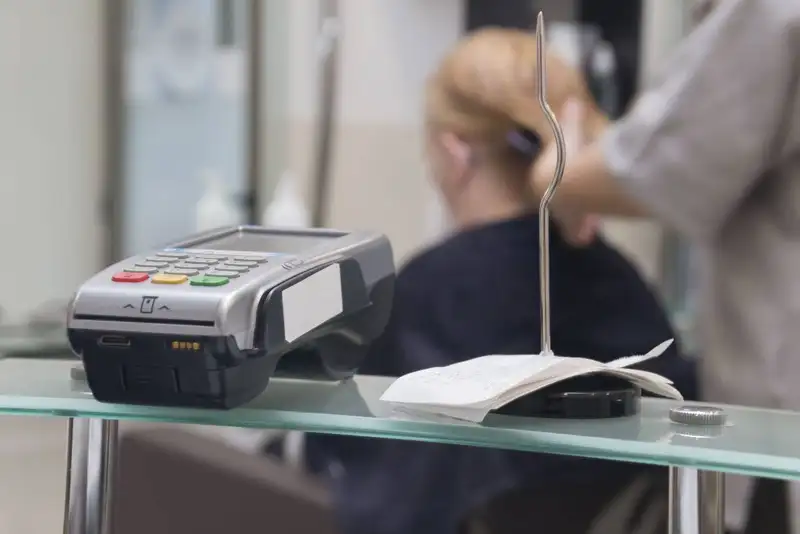
Start by counting the starting cash in each register carefully. Ideally, this process should be completed by a manager or two staff members working together, ensuring a system of checks and balances. Record the amount on a standard log or directly into your POS system, noting any deviations from the expected starting float. This documentation is key - not just for accountability, but for tracking trends over time. If a particular register frequently opens short, it may indicate training gaps or a systemic issue that requires attention.
Next, ensure the cash is organized and stored securely. Larger bills should be separated from smaller denominations for easy access during peak hours, and any excess cash should be placed in a secure drop safe if available. It's also important to make sure that the cash float is consistent across all shifts to maintain standardization and reduce confusion among staff.
Finally, communicate with your team about their responsibilities and expectations for cash handling during the day. A brief pre-shift review ensures everyone understands proper procedures, reinforces accountability, and creates a culture of accuracy. Opening tills may seem like a small task, but when done correctly, it can prevent errors that would otherwise snowball into larger variances at the end of the day. By dedicating a few focused minutes to this step, restaurant owners and managers can significantly strengthen daily cash control.
The Smarter Choice for Maximizing Your Financial Potential
Streamline Your Restaurant's Finances with Altametrics!
Mid-Shift Cash Counts
Conducting a mid-shift count is straightforward but must be systematic. Choose a time that minimizes disruption to service, such as a natural lull between lunch and dinner periods. Assign a manager or trusted staff member to perform the count, and document the total against expected sales reported by your POS system. Any differences should be flagged immediately for review. Even small discrepancies, if left unchecked, can accumulate over multiple shifts and create significant accounting challenges.
During the count, make sure each register has its cash organized by denomination. This makes it easier to verify totals and spot errors, such as misplaced bills or coins. If discrepancies are found, investigate immediately - common causes include transaction errors, incorrect change, or accidental double charges. Use these moments as teaching opportunities for staff rather than only as accountability checks, reinforcing accuracy without creating a punitive atmosphere.
Finally, record the results of the mid-shift count in your cash log or digital system. Over time, this documentation becomes a valuable tool for identifying patterns, spotting recurring issues, and adjusting procedures. By incorporating mid-shift cash counts into daily operations, restaurant owners can maintain control, protect revenue, and ensure a smoother, more accurate reconciliation process at the end of the day.
Safe Drops
A safe drop process begins with establishing clear protocols. Decide on the frequency of drops based on traffic volume and cash levels - high-volume periods may require multiple drops per shift, while slower days may need just one. Assign responsibility to specific staff members or managers, and ensure two people are involved whenever possible to maintain accountability. This dual verification approach helps prevent mistakes or intentional mishandling.
When performing a safe drop, separate cash by denomination, verify the total against register records, and record the amount in your cash log. Place the cash in a secure, tamper-evident bag before depositing it into the safe. Avoid leaving any cash unattended in registers, even for a few minutes, as this is when theft or loss is most likely to occur.
Safe drops should also be documented consistently. Maintain a log that notes the time, amount, responsible staff, and verification signatures. Over time, this documentation allows you to track cash flow patterns and quickly identify irregularities. For added security, consider using a drop-safe system that restricts access to cash and records deposits electronically.
By implementing regular safe drops, restaurant owners can minimize exposure to risk, maintain a smooth cash flow, and make end-of-day reconciliation significantly easier. This step reinforces a culture of accountability while protecting one of the most vulnerable assets in your business- cash.
End-of-Day Reconciliation
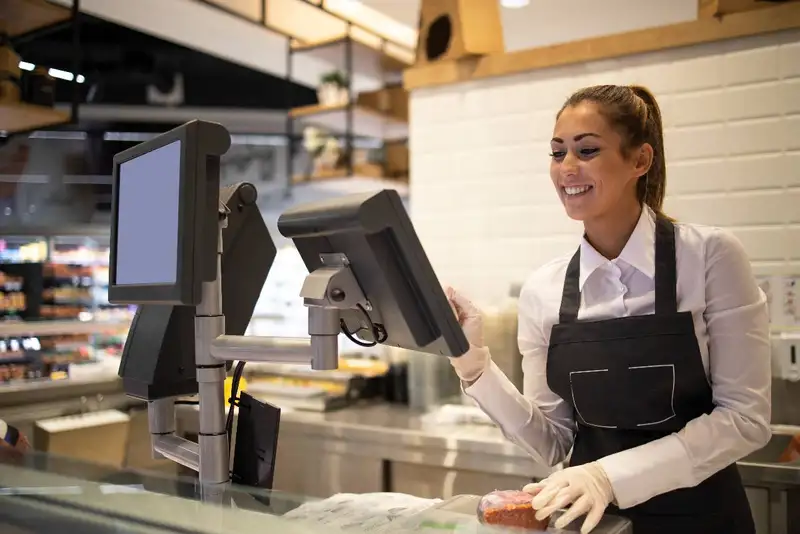
Begin by counting each register carefully, separating cash by denomination to simplify verification. Compare the physical cash totals against your POS system's recorded sales. Any differences - whether overages or shortages - should be documented immediately and investigated. While minor variances can occur naturally due to rounding or human error, recurring discrepancies may signal a deeper issue, such as training gaps or procedural lapses.
Maintaining segregation of duties is crucial during reconciliation. Ideally, the person counting the cash should not be the same person who handled the registers during the shift. This reduces the risk of error or misappropriation and strengthens accountability. Managers should review the counts, approve the reconciliation, and ensure all variances are logged with explanations.
Beyond counting cash, this step should also include reviewing any receipts, credit card transactions, and deposits. Cross-checking all payment forms ensures consistency and allows for quick identification of system errors or mismatched entries. Maintaining a detailed end-of-day cash log is invaluable for spotting trends over time, informing decisions on staffing, cash handling protocols, and even fraud prevention.
Finally, foster a culture of transparency with your team. Communicate the importance of accurate reconciliation, offer guidance for resolving discrepancies, and reinforce accountability without creating a punitive environment. By dedicating proper time and attention to end-of-day reconciliation, restaurant owners can safeguard revenue, improve operational accuracy, and streamline the entire cash handling process.
Experience The Benefits of Efficient Financial Management
Take Control of Your Store's Finances with Altametrics
Preparing Bank Deposits
Start by gathering all reconciled cash and organizing it by denomination. Count each bill and coin carefully, verifying the total against your end-of-day cash log. Use a secure deposit slip to document the total amount, noting the date, restaurant location (if part of a multi-unit operation), and responsible staff member(s). Consistency in documentation is critical; even small errors in deposit preparation can lead to reconciliation challenges at the bank.
Security is a top priority. Always transport deposits in a tamper-evident bag or lockbox, and never leave cash unattended. When possible, two staff members should handle deposits together to maintain accountability and reduce risk. Some restaurants choose to schedule deposits during low-traffic periods to avoid public attention and ensure a safe, controlled hand-off at the bank.
For businesses with multiple daily deposits, maintain a detailed log that tracks each drop, including who handled it and when it was deposited. This record becomes invaluable if questions arise during bank reconciliation or internal audits. Additionally, consider leveraging technology, such as smart safes or cash management systems, which can automate deposit recording and provide an extra layer of security.
Finally, make deposits a part of your staff training and daily routine. Reinforcing the importance of accuracy, transparency, and security builds a culture of trust and accountability. By treating deposit preparation with diligence, restaurant owners protect one of their most vulnerable assets - cash - while creating a reliable, repeatable system that simplifies both operations and reporting.
Monitoring Variances
Start by defining what constitutes a variance and establishing acceptable thresholds. For example, a difference of a few cents may be normal due to rounding errors, while larger discrepancies require immediate investigation. Clearly communicate these thresholds to your staff so everyone understands expectations and knows when a variance needs to be escalated.
Next, implement a standardized process for documenting and investigating variances. Each discrepancy should be logged with details such as the register number, shift, amount, responsible employee, and any notes explaining potential causes. This documentation not only helps identify patterns but also creates a transparent audit trail for managers and accountants.
Regular review of variance reports is equally important. Analyze trends over time to spot recurring issues, whether they stem from human error, procedural gaps, or potential misuse. Use this information to adjust policies, provide targeted training, and improve operational processes. For example, if a specific register frequently shows shortages, it may indicate a need for staff retraining or adjustments to cash handling procedures.
Finally, create a culture where variances are viewed as learning opportunities rather than punishment. Encourage staff to report discrepancies immediately and emphasize that proactive reporting protects both them and the business. By monitoring variances effectively, restaurant owners can identify problems early, reduce losses, and ensure that daily cash control remains a reliable and data-driven process.
Leveraging Technology to Streamline Cash Control
Integrated Cash Management
Modern point-of-sale (POS) systems and cash management software can automatically reconcile cash drawers, track deposits, and generate real-time financial reports. This integration reduces the need for manual counting and minimizes the risk of discrepancies.
Smart Safe Technology
Investing in smart safes allows for secure, automated cash drops and real-time tracking of cash levels. These systems can alert managers to potential issues and provide detailed reports for auditing purposes.
Mobile Access and Alerts
Cloud-based solutions enable restaurant owners and managers to access cash management data remotely. Mobile alerts can notify them of discrepancies, ensuring timely intervention and resolution.
Data Analytics
Advanced analytics tools can identify patterns in cash handling, helping to pinpoint areas for improvement and optimize cash flow management.
By embracing technology, restaurant owners can streamline their cash control processes, reduce errors, and focus more on delivering exceptional customer experiences.
Enhance Your Cash Control with Altametrics
Altametrics offers a comprehensive suite of tools designed to simplify cash management for restaurant owners. Their platform integrates cash drawer reconciliation, bank deposit tracking, and real-time reporting, providing a seamless solution for financial oversight. With features like smart safe integration and mobile access, Altametrics empowers you to manage your finances securely and efficiently.
Take the first step towards optimizing your cash control processes by clicking "Schedule a Demo" below.
Create Your Restaurant's Financial Statements
Take Control of Your Restaurant's Finances with Altametrics
Frequently
Asked Questions
How do I integrate cash handling policies across multiple locations?
What is the best way to document mid-shift and end-of-day counts?
How do I determine the ideal cash float for each register?
How often should mid-shift cash counts be performed?
Must-Read Content

How to Get More Customers in a Restaurant
Learn how to get more customers in a restaurant through local marketing, social media, promotions, customer reviews, loyalty programs, and retention strategies.

How to Get More Yelp Reviews for Your Restaurant
Learn how to improve Yelp reviews by optimizing your restaurant profile, delivering excellent service, managing feedback, and building a trustworthy online reputation.
How to Manage Tasks in a Restaurant
Learn how to manage tasks in a restaurant by organizing responsibilities, prioritizing duties, assigning employees, tracking progress, and using technology effectively.