
Overview
Reducing turnover in restaurant hiring does not mean you will never lose employees. Restaurants are fast-paced, life changes happen, and some turnover is normal. What you are really trying to reduce is avoidable turnover - the kind that happens because the role was unclear, the schedule did not match what the person expected, the training was inconsistent, or the work environment did not match what you promised.
A practical way to think about turnover is this - the hiring process is not complete when someone accepts the job. It is complete when that employee becomes stable and productive on your team. That usually means they make it past key milestones like the first shift, the first two weeks, and the first 30 to 90 days. Most restaurant turnover happens early, and early turnover is often a sign of a mismatch - either in expectations, skills, pace, culture fit, or leadership.
Get Clear on the Role Before You Hire

Start by writing down what the job looks like on a busy shift, not a slow one. For example, a cashier role might sound simple, but in real life it could include handling rush lines, fixing order mistakes, managing delivery pickups, restocking, cleaning, and communicating with the kitchen. A line cook role might include prep, station setup, ticket pacing, sanitation checks, and closing duties. If you don't define this upfront, you'll hire someone who thought they were signing up for one job and finds out it's three.
Next, identify your non-negotiables. These are the deal-breakers that cause most turnover when they aren't addressed early. Common ones include- weekend availability, closing shifts, pace during peak hours, punctuality, ability to take feedback, and teamwork. You don't have to sound harsh - you just have to be honest. A candidate who can't meet your basic needs isn't a bad person, they're just a bad match. And bad matches are expensive.
Then create a simple scorecard. This can be a one-page list that includes -
1. Reliability - shows up on time, communicates early if there's an issue
2. Speed + urgency - moves with purpose during rush
3. Coachability - takes direction without getting defensive
4. Team habits - helps others, doesn't disappear when it's busy
5. Standards - follows recipes, portioning, sanitation, and closing checklists
This scorecard becomes your hiring filter. It also makes interviews easier because you're evaluating candidates against clear criteria.
Finally, set expectations about the basics up front - pay structure (including tips if applicable), typical weekly hours, training timeline, uniform requirements, and how scheduling works. When candidates know exactly what they're walking into, you'll lose a few applicants early - but that's a win. The people who stay in the process are far more likely to stay on your team.
Innovative Restaurant Software Solutions
Modernize Your Recruitment Process with Altametrics
Attract Better Applicants With a Strong Job Post
First start with pay and schedule. If you can, list a pay range. Also be clear about tips. Say if it is hourly plus tips, tip pool, or no tips. Then explain the schedule expectations in plain language, like - "Must work weekends," "closing shifts required," or "most team members work 25-35 hours per week." If you skip these details, people may accept the job and quit once they realize it is not what they expected.
Next, describe the job using real tasks. Instead of a short title like "cashier" or "line cook," explain what the person will do. For example -
- "Handle orders and payments during busy rushes"
- "Pack delivery and takeout orders accurately"
- "Keep the front counter clean and stocked"
Clear tasks help the right people apply. People who do not like that type of work will usually not apply, which saves you time.
You should also include what employees get besides pay, but keep it honest and simple. Mention only real benefits, like - shift meals, paid training, steady hours, flexible scheduling, or chances to grow into other roles. If you do not have formal benefits, focus on what you do offer, like- clear training, fair scheduling, and respectful management.
Then add a short section that explains who the job is best for. For example -
- "This is a good fit if you like staying busy and moving fast."
- "This is a good fit if you take feedback well and want to improve."
- "This is a good fit if you show up on time and care about doing things right."
This helps set expectations and attracts people who want structure and standards.
Finally, post in the right places. Job boards work, but referrals can be even better. If you have good employees, ask them - "Do you know anyone reliable who would fit here?" Just make sure referrals still go through the same hiring steps. A referral should be treated like a strong lead, not an automatic hire.
A job post should do one main job - make the role clear so the right people apply and the wrong people don't. When you do that, interviews get easier, hiring gets faster, and fewer new hires quit early.
Screen Faster and Smarter
Start with a short phone call or text screen before you schedule a full interview. Keep it simple and focus on the basics that cause the most turnover - availability, reliability, and role fit. You do not need a long conversation. A 5-10 minute screen is enough to tell if it makes sense to move forward.
Ask a few clear questions like -
- "What days and times can you work every week?"
- "Can you work weekends or closing shifts?"
- "How do you get to work?"
- "What type of restaurant job are you looking for right now?"
These questions help you avoid the most common mismatch- someone accepts the job, then quits because the schedule or expectations do not work for them.
Next, listen for signs of reliability. A good candidate can usually answer clearly, communicate directly, and stay consistent. If someone is confusing, changes their story, or avoids simple questions, that can be a warning sign. Also pay attention to communication speed. If it takes days to respond during hiring, it may be the same after they are hired.
You should also watch for early red flags, but be fair. Not every issue is a deal-breaker. For example, a candidate who is nervous may still be coachable and work hard. But a candidate who blames every past job, talks disrespectfully about managers, or refuses basic expectations (like being on time) will usually bring the same problems to your restaurant.
A good way to screen without guessing is to use a simple pass/fail standard -
1. Pass - schedule fits, communication is clear, they understand the role, they seem ready to work
2. Maybe - schedule fits but experience is light, or they are nervous but respectful
3. No - schedule does not fit, unreliable communication, not interested in the real job
Finally, confirm the next step in writing. After you schedule an interview, send a message that includes the time, location, what to bring, and who to ask for. This reduces no-shows and helps serious candidates feel prepared.
Interview for Reliability, Attitude, and Team Fit

Start by confirming the basics again. This may feel repetitive, but it prevents misunderstandings. Ask -
- "What days and times can you work every week?"
- "Are you comfortable working weekends or closing shifts?"
- "When can you start?"
If someone changes their availability during the interview, that is a sign the job may not work long-term.
Next, ask behavior-based questions. These are questions that make people describe what they have done before, not what they think they would do. For example -
- "Tell me about a time you were slammed. What did you do to keep up?"
- "Tell me about a time you made a mistake. How did you fix it?"
- "Tell me about a time you got feedback you didn't like. What happened?"
Good answers usually show ownership, calm communication, and willingness to improve. Weak answers often include blaming others, avoiding responsibility, or acting like feedback is an insult.
Then use a few situational questions that match your restaurant. Keep them realistic and simple -
- "It's a rush, and a guest is upset about a wrong order. What do you do first?"
- "A coworker is falling behind and tickets are stacking up. What do you do?"
- "You don't know how to do a task yet, and it's busy. What do you do?"
You are listening for common sense, teamwork, and urgency - not perfection.
Pay close attention to attitude. In restaurants, attitude matters as much as skill because the pace is high and teamwork is constant. Look for signs like - being respectful, staying positive, asking questions, and speaking clearly. Also watch for warning signs like - complaining about every past job, being rude, acting like certain tasks are "beneath them," or talking like rules don't apply to them.
To make the interview easier to score, use a simple rating system for each category -
1. Reliability - on-time history, communication, schedule fit
2. Coachability - accepts feedback, willing to learn, not defensive
3. Team fit - respectful, helpful, handles pressure without drama
At the end, set expectations clearly. Explain what training looks like, how performance is measured, and what standards matter most. This helps serious candidates feel confident - and it helps the wrong candidates opt out before they start.
Discover Top Talent For Your Restaurant
Experience The Difference with Altametrics
Use Working Interviews and Reference Checks
A working interview makes the most sense for roles where speed and station habits matter, like line cook, prep, dishwasher, or counter service during rush. Keep it short and clear. Tell the candidate exactly what they will do, how long it will last, and what you are watching for. Make sure they understand your basic rules- safety, cleanliness, and respectful communication.
During the working interview, focus on a few simple things -
1. Urgency. Do they move with purpose or do they drift?
2. Listening. Do they follow directions the first time?
3. Coachability. Do they accept correction without attitude?
4. Teamwork. Do they help others or only focus on themselves?
5. Clean habits. Do they keep the area clean and organized as they go?
You do not need to watch every small detail. You are looking for "good foundation" traits that usually lead to long-term success.
After the shift, do a quick debrief. Ask -
- "How did that feel for you?"
- "What was harder than you expected?"
- "Do you still want the job after seeing the pace?"
This step matters because it gives the candidate a chance to be honest. If they are unsure, it is better to find out now than after you build a schedule around them.
Reference checks are another simple tool that can reduce turnover - especially for roles where reliability is critical. Keep the reference check short and consistent. Use the same script each time so you are comparing answers fairly.
Here are a few practical reference questions -
- "What was their role and how long did they work with you?"
- "How was their attendance and punctuality?"
- "How did they handle feedback or coaching?"
- "Would you rehire them if you had an opening?"
Listen closely to the tone, not just the words. If the reference pauses, avoids direct answers, or only gives basic information, that can still tell you something.
Working interviews and reference checks are not about being strict. They are about reducing surprises. When you confirm fit before you hire, you bring in people who can handle the job - and those are the employees who usually stay.
Win the First 30 Days With Better Onboarding
Start by treating Day 1 as more than paperwork. Day 1 should answer three questions for the new hire -
- "What does success look like here?"
- "What should I focus on first?"
- "Who do I go to when I need help?"
Walk them through your basic standards. Keep it clear and simple - punctuality, uniform, phone rules, cleanliness, food safety, guest service, and teamwork. New hires do better when the rules are explained up front instead of enforced later as a surprise.
Next, use a training plan by station. Many restaurants rely on "shadow someone and figure it out." That usually creates uneven results because every trainer teaches differently. Instead, create a basic training checklist for each role. It does not need to be fancy. It should include the main tasks, steps, and standards that must be learned.
For example, a checklist might cover -
- Opening setup
- Core tasks for the station
- Speed and accuracy standards
- Cleaning and closing duties
- Common problems and how to handle them
This makes training consistent and helps managers know what has been covered.
Also assign a clear trainer or point person. New hires should not have to guess who to follow or who to ask. If possible, pair them with one strong team member for the first few shifts. Consistency builds trust and speeds up learning.
Then add early check-ins. This is one of the easiest ways to reduce early quits. Do quick conversations at -
1. End of Week 1 - "How is it going? What is confusing? What do you need?"
2. Around Day 30 - "Do you feel confident? What should we work on next?"
These check-ins help you catch problems before they become quits. They also show the employee that you are paying attention and want them to succeed.
Finally, be clear about milestones. A new hire should know what they are expected to be able to do by the end of the first week, the second week, and the first month. When goals are clear, progress feels real - and employees are more likely to stay.
Keep Great Employees With Systems
Start with scheduling. Scheduling is one of the biggest reasons people quit. If hours swing wildly, schedules come out late, or the same people always get stuck with the worst shifts, your best employees will burn out. A few simple standards help a lot -
- post schedules on the same day every week
- keep shifts as consistent as possible
- rotate tough shifts fairly
- limit last-minute changes unless it's truly necessary
Next, be consistent with standards. When some employees get away with being late, skipping side work, or cutting corners, the good employees notice. They feel like they are carrying the restaurant. Over time, they stop caring or they leave. Consistent standards do not mean being harsh. They mean being fair. Clear rules, followed by clear follow-up, builds trust.
Coaching is another big factor. Most employees do not quit because they were corrected. They quit because the correction felt confusing, disrespectful, or random. Keep coaching simple -
- give feedback quickly, not weeks later
- focus on the behavior, not the person
- explain the "why" in one sentence
- show the correct way, then let them repeat it
When people feel supported, they improve faster and stay longer.
Also create small growth paths. Not everyone wants to be a manager, but most people want to feel progress. Cross-train strong employees, teach new stations, or give them ownership of something small like training new hires, organizing a prep list, or leading a closing checklist. When employees see a future, they are less likely to leave for a small pay bump somewhere else.
Finally, recognize good work in a way that feels real. Recognition does not need to be public or dramatic. It can be simple and specific - "You handled that rush really well," or "I appreciate how you helped the new person today." Specific recognition is powerful because it tells people their effort is seen.
Simplify Your Hiring Process!
Streamline Your Recruitment Process with Altametrics
Frequently
Asked Questions
What interview questions help predict reliability?
What should I include in a restaurant job post to attract better applicants?
Why do restaurant employees quit early?
What are common red flags during the hiring process?
Must-Read Content
10 Employee Retention Strategies for Restaurant Owners
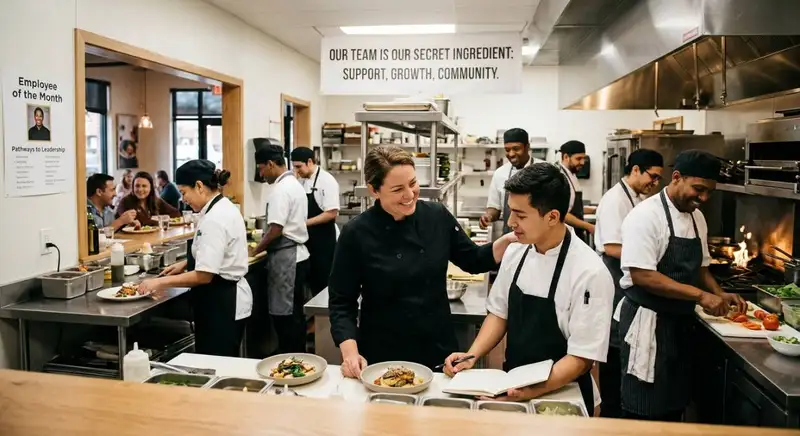
Restaurant owners can cut turnover by paying fairly, onboarding well, scheduling flexibly, promoting growth, recognizing effort, offering meaningful benefits, listening to feedback, and hiring carefully for fit.

Employee Time Tracking Tips for Restaurants
Use these time tracking tips to improve restaurant employee timekeeping, reduce payroll errors, monitor overtime, track breaks, and simplify workforce management.
7 Scheduling Mistakes Restaurant Owners Should Stop Making
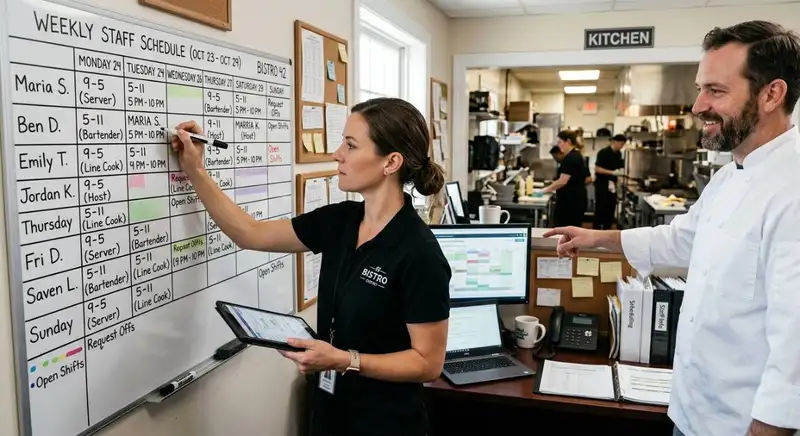
Avoid common scheduling mistakes by improving labor forecasting, balancing shift coverage, respecting employee availability, controlling overtime, and using scheduling software to optimize restaurant operations.