What technology helps increase restaurant sales?
A strong POS with reporting, KDS for speed and accuracy, kiosks for throughput and higher checks, scheduling software to staff peaks correctly, and inventory tools to prevent outages and reduce waste.
How To Increase Restaurant Sales

Track 5 Numbers Weekly
Before you try new promos, change your menu, or spend money on ads, you need a simple baseline. Otherwise, you'll feel busy but won't know what actually increased restaurant sales - and what was just noise. The goal here is to measure sales in a way that's practical for real restaurant life, not a complicated spreadsheet you never open.
Start by deciding which "sales lever" you're trying to improve. Restaurant sales usually grow from one (or more) of these - more transactions (more guests/orders), a higher average check, more repeat visits, or a better sales mix (selling more of the items that make you money). If you don't pick the lever, it's easy to chase everything at once and fix nothing.
Next, track five numbers weekly - same day each week, same time, for consistency -
1. Transactions / Covers - How many orders or guests you served.
2. Average Check - Total sales divided by transactions (or per cover for full-service).
3. Sales by Daypart - Breakfast/lunch/dinner/late night - where you win and where you stall.
4. Item Mix - Your top sellers, your biggest margins, and what's not moving.
5. Promo Results - What you ran, what it cost (discounts + marketing), and what it returned.
Then do a fast "reality check" by asking - Where are we leaking sales? Common leaks include long lines during peak times, slow ticket times, frequent mistakes that create refunds/comps, running out of top sellers, or weak weekend execution. You don't need perfection - just clarity. When you know your baseline, every improvement in this article becomes easier to test, measure, and repeat.
Fix the In-Restaurant Experience
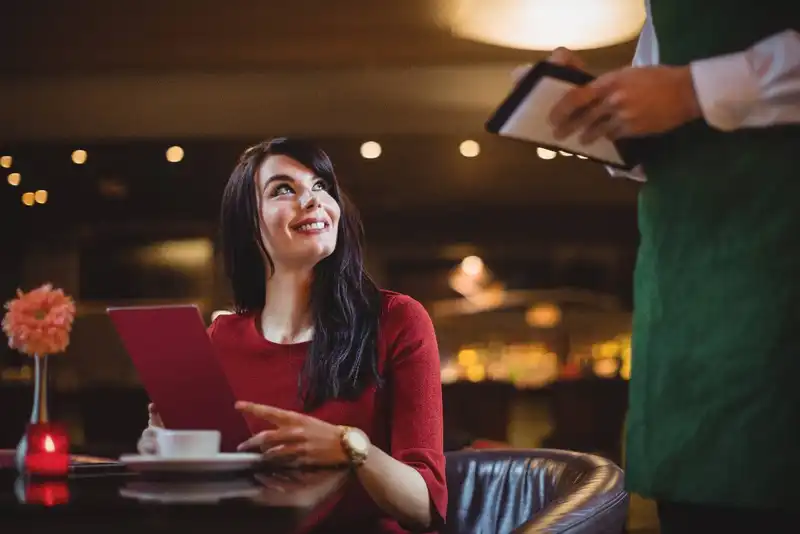
If you want to increase restaurant sales without constantly discounting, focus on repeat visits. Repeat business is the cheapest "marketing" you'll ever get - because you're not paying to find new guests every day. But repeat visits don't come from big changes. They come from the basics being right, every shift.
Start with speed and accuracy, because that's where most restaurants lose sales without realizing it. Long waits and incorrect orders don't just create one unhappy guest - they create fewer repeat visits, weaker reviews, and slower lines. Watch your peaks closely. If you see guests leaving, long lines at the counter, or tables waiting too long for food, you're losing revenue in real time. Set simple targets like "greet within 10 seconds," "food out in X minutes," or "orders checked before leaving the pass."
Next, lock in cleanliness and consistency. Guests don't always remember what was great, but they always remember what was off - dirty restrooms, sticky floors, messy soda stations, or inconsistent portions. These details shape how "safe" and "worth it" your restaurant feels. Make cleanliness a shift routine, not a once-a-day task - quick dining room resets, restroom checks, and a visible ready for guests standard.
Then focus on service behaviors that move sales. This doesn't mean pushy upselling. It means guiding guests with confidence. Teach your team a few simple habits - confirm orders, suggest one add-on that matches the order ("Want to add fries or a side salad?"), mention a popular item when someone seems unsure, and handle problems fast without drama. Small moments create trust - and trust creates repeat visits, bigger checks, and more word-of-mouth. When the experience is smooth, guests come back more often, and restaurant sales rise naturally.
Engineer Your Menu to Sell More
Your menu isn't just a list of food - it's your best salesperson. When it's designed well, it quietly guides guests toward items that sell fast, taste great, and make you money. When it's designed poorly, it creates confusion, slows ordering, and pushes people toward low-margin choices. If you want to increase restaurant sales, start by making your menu easier to order from and smarter at what it promotes.
First, identify your winners and losers using simple menu math. Pull a basic sales report for the last 30-60 days and rank items by how often they sell. Then compare that with margin (even a rough margin estimate is better than none). You're looking for -
1. High sellers + strong margin (protect these and feature them)
2. High sellers + low margin (raise price slightly, adjust portion, or bundle)
3. Low sellers + strong margin (rename, reposition, add a photo, or train staff to recommend)
4. Low sellers + low margin (consider removing)
Next, improve your menu's descriptions and layout. Guests buy what they understand quickly. Use clear names, simple descriptions, and highlight what makes the item appealing (crisp, slow-cooked, house-made, spicy, etc.). Place your best items where eyes naturally go - top right, first in a category, or in a "featured" section. If you use photos, use only a few - and only if they're high quality. Too many photos can make the menu feel cheap and overwhelming.
Then reduce menu bloat. A huge menu feels like "more choice," but it often means slower prep, more mistakes, more inventory, and longer ticket times. Cutting even 10-15% of low sellers can improve speed and consistency, which supports higher volume during peaks.
Finally, add easy high-velocity modifiers - premium proteins, extra toppings, sauces, sides, and drink upgrades. These small add-ons increase average check without adding new menu items or kitchen complexity. The right menu changes can lift sales while making operations smoother - not harder.
Increase Average Check with Smart Upsells and Bundles
If you want to increase restaurant sales without relying on more foot traffic, improving average check is one of the fastest wins. Even a small lift, $1-$3 per order - adds up fast over a week and becomes real profit if it doesn't slow service or increase waste. The key is to make upsells feel helpful, not pushy, and to keep them simple enough that your team can do them consistently.
Start by building a small set of default upsell prompts. Don't ask your staff to "upsell more" in general - that's vague and easy to ignore. Instead, give each role 3-5 specific prompts they can use every day -
1. Cashier/QSR - "Make it a combo?" "Add fries or a side?" "Upgrade to a large drink?"
2. Server - "Would you like to start with an appetizer?" "Add a salad?" "Want to try our most popular dessert?"
3. Bartender - "Top-shelf upgrade?" "Double?" "Add a shot?" "Pair it with a small bite?"
Next, create bundles that feel like a win for the guest. Bundles work best when they reduce decision stress and offer clear value. Examples- lunch combos, family packs, "dinner for two," "kids meal + drink," or "meal + dessert" add-ons. The best bundles are built around items you already execute well. Avoid bundles that create bottlenecks or require special prep during rushes.
Then use limited-time upgrades to keep sales fresh without rewriting your whole menu. Think - seasonal sides, premium toppings, specialty drinks, or a rotating dessert. These are easy to talk about and give regulars a reason to spend a little more.
Finally, train for timing and confidence. Upsells fail when they're delivered awkwardly or too late. Teach staff to suggest add-ons while the guest is deciding, not after they've already said "that's it." Track one simple metric weekly - average check by daypart - and coach based on results. When upsells and bundles become a routine (not a random effort), average check rises, and sales follow.
Drive More Traffic with Local Marketing
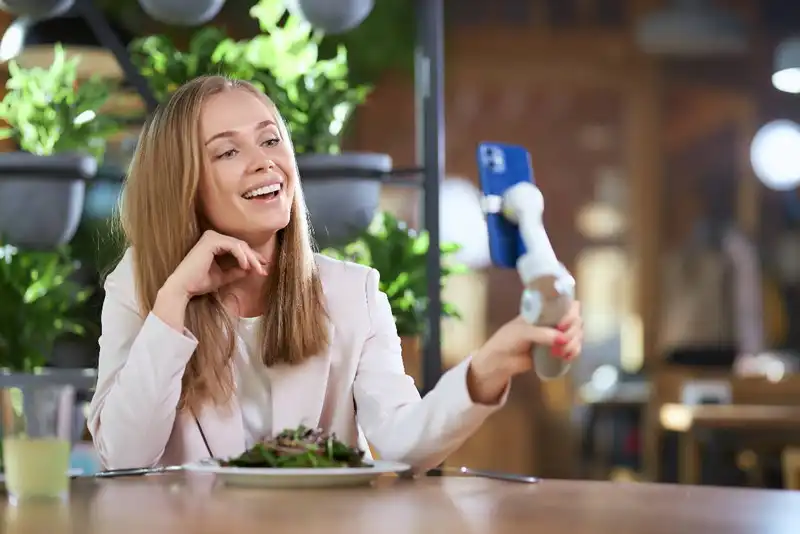
To increase restaurant sales, you need a steady flow of new and returning guests - but local marketing only works when it's simple, visible, and easy to act on. Most restaurants don't need more platforms. They need to execute the basics consistently and run a few clear offers that fit their real operations.
Start with your Google Business Profile, because it's often the first place people decide whether to visit. Make sure your hours are accurate (including holidays), your menu link works, and your photos look current. Post fresh photos regularly - clean exterior, dining room, top-selling items, and anything that shows portion size and quality. Then treat reviews like a sales tool - ask happy guests for reviews (a quick line on receipts or a small sign works), respond to new reviews weekly, and fix repeated complaints fast. Better reviews don't just bring more guests - they increase conversion from people already searching.
Next, run simple offers with clear rules. Avoid complicated discounts that confuse staff and guests. Instead, choose offers tied to a goal -
- Slow daypart? Run a weekday lunch bundle.
- Need repeat visits? Use a bounce-back offer ("Bring this back within 7 days for...").
- Want trial of a new item? Offer a limited-time add-on or combo.
Keep the offer easy to explain in one sentence, and make sure the kitchen can handle it during peak hours.
Then build community and partnership traffic. Local partnerships often outperform paid ads because they come with trust. Think schools, gyms, offices, nearby hotels, salons, or event venues. Offer a simple deal for their staff or customers, or set up a recurring catering option. Even a small weekly partnership can create predictable sales.
Finally, support traffic with a basic referral or loyalty approach. It doesn't have to be fancy. A simple "buy X, get Y" reward or points system works if redemption is easy and staff can explain it quickly. The goal is to turn first-time visitors into regulars - and regulars into ambassadors. When local marketing is consistent and simple, it becomes a reliable driver of sales, not a "random post when business is slow."
Make Off-Premise Sales a Reliable Revenue Stream
Off-premise sales - pickup, delivery, and catering - can increase restaurant sales fast, but only if the experience is consistent. Many restaurants add these channels and then wonder why reviews drop, refunds rise, or orders don't repeat. The fix is to treat off-premise like its own dining room with standards, not an afterthought squeezed into busy shifts.
Start with the basics - packaging, accuracy, and timing. Off-premise guests can't "forgive" a missing sauce or a soggy item the way a dine-in guest might. Build a short packing checklist for your most common orders (especially family meals and combos). Use labels, bag sealing, and a final accuracy check before the order leaves the building. Then choose packaging that fits the food- vented containers for crispy items, separate sauces, and sturdy cups/lids for drinks. These small steps protect your ratings and your repeat orders.
Next, get strategic with third-party delivery. You don't need your entire menu online. List items that travel well and can be produced consistently during rushes. Consider pricing that accounts for fees, and don't run delivery promos that destroy margins unless you're using them to build repeat behavior (like first-time trial with a bounce-back to direct ordering).
Then push your direct ordering whenever possible. Direct orders typically mean better margins and more control over the guest relationship. Make it easy - clear online menu, fast checkout, accurate pickup times, and signage that tells guests where to go. Add a simple incentive that doesn't train guests to wait for discounts - like a free add-on, loyalty points, or faster pickup perks.
Finally, don't ignore catering, because it can deliver larger tickets with fewer transactions. Create a small catering menu with bundles (10-20 person packages), set minimums and lead times, and define clear pickup/delivery processes. When off-premise is managed with the same care as dine-in, it becomes predictable revenue instead of constant stress - and that's how it drives real sales growth.
Sell More by Scheduling and Operations
A lot of restaurants try to increase sales by running promotions or posting more on social media - but then lose those sales because the operation can't handle the demand. If you're understaffed during peaks, you don't just "work harder." You get longer lines, slower ticket times, more mistakes, worse reviews, and fewer repeat visits. In other words - labor and operations directly control how much sales you can actually capture.
Start with staffing to demand, not to habit. Look at your busiest hours by daypart and schedule coverage where it matters most. One extra person during a peak hour can produce more revenue than cutting labor ever will - because they prevent walkouts, keep tables turning, and keep order accuracy high. For quick service, think in terms of line speed and throughput. For full service, think in terms of table turns and server station size.
Next, focus on prep and station readiness. Many sales losses come from being unprepared - running out of top sellers, missing backups, or getting slammed with no mise en place. Create a simple "peak readiness" checklist- top-selling proteins, sauces, sides, packaging, clean utensils, stocked cold station, and working equipment. This reduces 86'd items (which frustrate guests) and helps you sell what you intended to sell.
Then reduce bottlenecks. Most restaurants have one or two choke points - expo, fryer capacity, drink station, order staging, or pickup handoff. Identify where tickets stack up and solve that first. It could be as simple as moving a condiment station, adding a second drink prep spot, assigning an expo during rush, or creating a clear pickup shelf system.
Finally, build manager routines that keep sales strong every shift. Do a quick pre-shift huddle - today's forecast, staffing gaps, 86 items, and the one sales focus (like pushing combos or dessert). During peak, manage the floor and the line - not the office. After the shift, do a 5-minute review - what slowed you down, what ran out, and what needs fixing before tomorrow. When scheduling and operations are tight, you serve more guests with less stress - and sales grow without chaos.
Use Restaurant Technology to Increase Sales
Restaurant technology isn't about chasing trends. It's about protecting the things that actually drive sales - speed, accuracy, consistency, and smart decision-making. When your systems work well, you serve more guests during peaks, increase average check without awkward selling, and prevent common mistakes that lead to refunds, bad reviews, and lost repeat business. The goal is to pick tools that remove friction - then use them consistently.
1. Use your POS + reporting - Your POS should do more than process payments. Use it to track transactions, average check, item mix, and sales by daypart so you can staff and promote the right things. Pay close attention to voids, comps, and discounts - those are often silent profit killers. When you run a promo, POS reporting tells you if you grew total sales or just gave away margin.
2. Add a KDS to improve speed, flow, and order accuracy - A Kitchen Display System helps kitchens stay organized during rushes. It can reduce missed items, improve ticket routing, and keep orders moving in the right sequence. Faster ticket times mean you can handle higher volume, and better accuracy means fewer remakes and fewer unhappy guests.
3. Use kiosks to increase throughput and average check - Kiosks help reduce line pressure and can improve order accuracy because guests build their own orders. They also make upsells consistent by prompting add-ons and upgrades every time - without relying on staff to remember scripts during a rush.
4. Use scheduling software to match labor to demand - Sales growth breaks when you're understaffed during peaks and overstaffed during slow periods. Scheduling tools help you forecast demand, build smarter schedules, reduce walkouts caused by long waits, and improve service quality - so you capture more sales when it matters most.
5. Use inventory management to prevent outages - Running out of a top seller during a busy shift is a direct sales loss. Inventory tools help you maintain par levels, spot high-usage items, reduce waste, and catch variance early. That keeps your best sellers available and protects profit as volume increases.
The biggest gains happen when tools work together - POS data informs scheduling, inventory aligns with what's selling, and KDS supports faster execution. When your tech stack is connected, you reduce manual work, tighten control, and create a smoother guest experience that drives repeat sales.
If you want to increase restaurant sales while keeping labor and operations under control, Altametrics can help. From scheduling and time to labor insights and operational visibility, Altametrics gives you the tools to staff smarter, reduce costly mistakes, and run more consistent shifts - so you can capture more sales without added chaos. Learn more at Altametrics by clicking "Book a Demo" below.

Employee scheduling
Human Resource Management for Restaurants
Employee scheduling
Common Payroll Challenges in Restaurants

Sales forecasting
How to Use Restaurant Analytics to Improve Profitability
Restaurant management
The Complete Guide to Restaurant Reputation Management
Accounting payroll
Restaurant Cash Handling Procedures

Accounting payroll
How to Manage Restaurant Finances
Employee scheduling
How to Motivate Restaurant Staff
Software integration
10 Ways Technology Can Help Control Food Cost in Restaurants
Frequently Asked Questions
How do I increase restaurant sales without discounting?
Focus on repeat visits, menu engineering, and average check. Improve service consistency, highlight best sellers, create value bundles (not coupons), and use loyalty/referral to bring guests back.
What metrics should I track weekly to grow sales?
Track transactions/covers, average check, sales by daypart, item mix (best sellers vs. low movers), and promo results (cost vs. return). These five numbers show what's working and what's leaking sales.
How do I know which menu items to promote?
Promote items that sell well and have strong margins. For high sellers with low margin, adjust price/portion or bundle. For high margin items that don't sell, improve placement, naming, and staff recommendations.
What local marketing works best for restaurants?
Google Business Profile optimization, review generation, clear daypart offers, and local partnerships (schools, offices, gyms, hotels). These usually convert better than random posting across many platforms.