Which software tools keeps FOH and BOH aligned?
POS and KDS are key - use structured modifiers and clear allergy flags, and let expo screens manage timing and fire order. Messaging, manager log, and scheduling tools can share shift notes, 86 lists, and daily priorities so everyone sees the same information.
How to Improve Team Communication Between FOH and BOH

How Miscommunication Shows Up
Busy services don't usually fall apart because people stop caring. They fall apart because FOH and BOH stop hearing each other clearly.
Servers are trying to keep guests happy, quote realistic times, and handle last-minute changes. The kitchen is trying to push food out in the right order, manage ticket volume, and protect quality. When communication between those two worlds breaks down, you see it immediately - wrong plates at the table, long waits, confused guests, stressed staff, and finger-pointing on both sides.
For an owner, this isn't just a "people problem." It shows up in hard numbers - comps, refunds, overtime, wasted product, and turnover. The good news is that you don't need a bigger staff or a brand-new concept to fix it. You need clear standards, simple routines, and better use of the tools you already have.
Map the Gaps
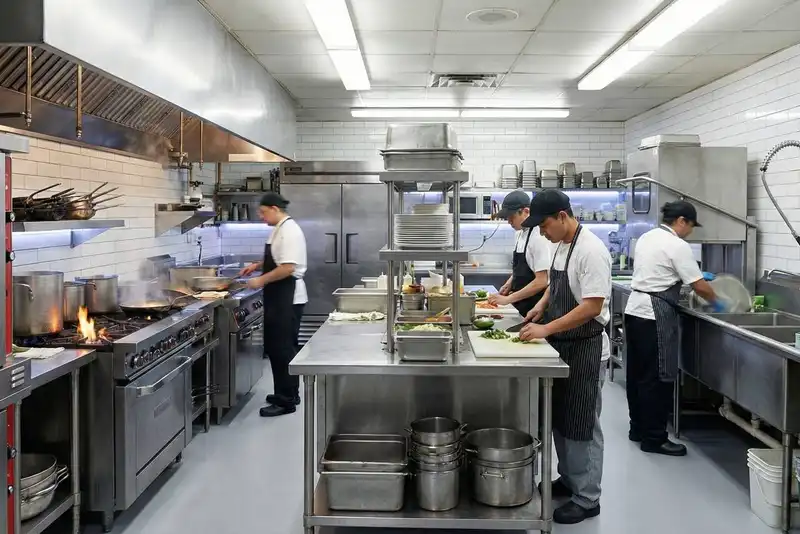
Before you can fix FOH-BOH communication, you need to see clearly where it's failing right now. Most owners already feel the pain in a general way - "the kitchen and servers are always fighting" - but it helps to get specific.
Start with the most common problem areas -
1. Order entry - Are servers skipping modifiers, forgetting seat numbers, or typing free-form notes instead of using proper buttons?
2. Allergies and special requests - Does the kitchen get clear, obvious alerts for "no dairy," "no nuts," or "gluten-free," or do those details get buried in tiny text?
3. Quote times - Does FOH know how backed up the line is, or are they guessing and over-promising to guests?
4. 86'd items and menu changes - How quickly does BOH tell FOH when something is out, and how quickly does that message reach every server?
Next, look at your patterns instead of just one bad night. Pull a week or month of basic data -
- How many voids and comps were due to kitchen mistakes vs. order-entry mistakes?
- How many remakes happened because the ticket wasn't clear?
- When were your ticket times longest, and what was happening then?
Talk to your team as well. Ask line cooks, expos, and servers where they feel "left in the dark." You'll probably hear the same issues repeated - unclear tickets, late communication on 86s, confusion about table priorities, or sudden menu changes that never reached the floor.
When you combine data (voids, comps, ticket times, remakes) with real feedback from staff, the picture becomes clear. You're no longer dealing with a vague "communication problem." You can point to specific gaps - and that's what you'll fix in the next steps.
Set Clear Standards
Once you see where communication breaks down, the next step is to remove guesswork. Most FOH-BOH conflicts come from people doing things "their way" instead of "our way." Your job as the owner is to turn that into one clear playbook everyone follows.
Start with non-negotiables. These are the simple rules that protect speed and accuracy -
- How every order must be entered in the POS (no handwritten tickets, no "misc" buttons unless approved)
- How allergies and serious dietary needs are flagged
- How specials, 86'd items, and substitutions are handled
Write these down in plain language. For example - "All allergy orders must use the allergy button and a short note in the POS" is much clearer than make sure allergies are obvious. When expectations are written, it's easier to train, coach, and hold people accountable.
Next, agree on standard phrases for key moments. Under pressure, people tend to snap or get vague. Simple scripts help -
- "I'm 10 minutes behind on grill; please quote 25 minutes on well-done steaks."
- "We're 86 on salmon after this ticket - please stop selling it and offer chicken or shrimp instead."
- "This is a severe nut allergy - can you confirm you saw it?"
These phrases might seem small, but they reduce emotion and make it clear what action is needed.
Finally, create a simple Service Flow checklist both FOH and BOH accept. It can be one page that covers -
1. Pre-shift - who checks 86s, specials, and station readiness
2. During shift - how quote times are updated and communicated
3. Post-shift - who notes recurring issues for tomorrow
When everyone works from the same playbook, arguments drop, ticket quality improves, and new hires ramp up faster. Clear standards turn "They should know better" into "We all agreed to this - and it's written down."
Use Pre-Shift Huddles to Align the Team
A lot of FOH-BOH drama starts before the first ticket is even fired. People show up, clock in, and jump straight into the rush without a shared plan. A short pre-shift huddle can fix that. It doesn't need to be long or formal - 5 to 10 minutes is enough if you stay focused.
The key is to bring both FOH and BOH (or at least a lead from each) into the same quick conversation. Pick a consistent time- for example, 15 minutes before lunch and dinner service. Make it a normal part of the shift, not something you only do when things go wrong.
Cover the basics every time -
1. Expected volume - reservations, large parties, events, or weather that might impact traffic
2. Menu notes - 86'd items, limited quantities, specials, or items that are slower than usual
3. Staffing gaps - if you're short a cook or server, explain how that will affect pacing and quote times
4. Promo or discount changes - anything that might change what guests are ordering
The goal is for everyone to leave the huddle with the same picture of the night ahead. That way, servers don't oversell an item you're almost out of, and the kitchen isn't surprised by a big group at 7.00.
Have one person - usually a manager or lead - write down key points on a small board, in a shift log, or in your software (scheduling app, manager log tool). That way, people who arrive a little late can still see what was discussed.
Keep the tone calm and practical. The huddle isn't a place to vent; it's a place to plan. When you run these consistently, you'll notice fewer surprises, fewer heated conversations on the line, and smoother transitions when the rush hits. Over time, your team starts to think ahead together instead of just reacting in the moment.
Leverage Software Tools
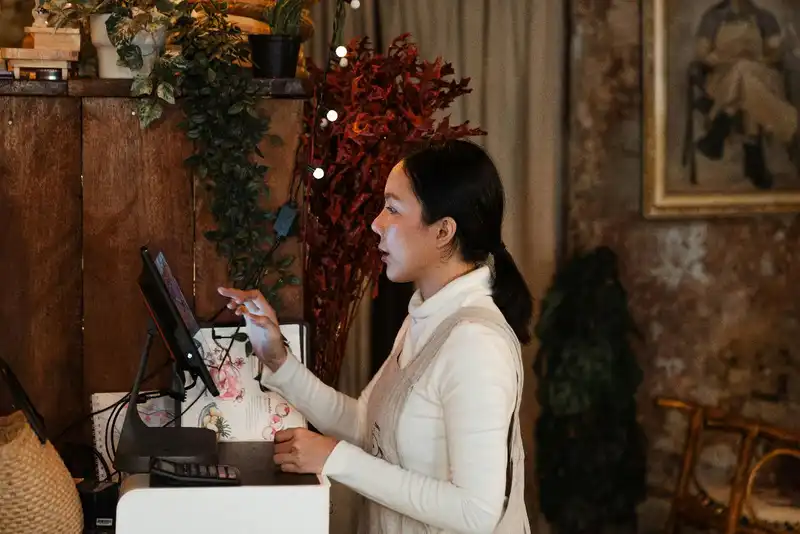
You're probably already paying for tools that could dramatically improve FOH-BOH communication - you just may not be using them to their full potential.
Start with your POS. Make sure servers are using proper buttons, modifiers, and allergy flags instead of typing long free-text notes. Create a short POS standard -
- All allergies must use the dedicated allergy button
- "On side," "no salt," "extra spicy," etc. Must use modifiers
- Avoid vague notes like "make it good" or "they're in a hurry"
Clear, structured tickets are easier for cooks to read at speed and reduce remakes.
If you use a kitchen display system (KDS) or expo screen, treat it as the control center for the line. Ensure -
- Tickets are grouped logically (by course, by table, or by time)
- Rush or VIP tickets are clearly marked
- BOH has a simple way to pause or throttle incoming orders when the line is backed up
Next, look at team messaging and manager log tools. Instead of relying on random group texts, use one system for -
- Daily notes about 86'd items, specials, and prep levels
- Shift recaps. what broke tonight and what to fix tomorrow
- Quick FOHBOH updates during the day without shouting across the kitchen
Finally, use your scheduling or timekeeping software to attach shift notes so every server and cook sees the same expectations before they arrive. A few lines like "Short on grill tonight - quote well-done steaks at 25 minutes" can prevent a lot of tension later.
If you want a single platform that ties scheduling, timekeeping, and communication together so FOH and BOH stay aligned, explore how Altametrics can support your restaurant's daily operations by clicking "Book a Demo" below.
Train for Communication Skills
Most restaurants train people on what to do - how to ring orders, plate dishes, or close the line - but rarely on how to talk to each other when things get busy. The result- smart people with good intentions who still clash during every rush.
Start by making communication a formal part of training, not something you hope people "figure out." When onboarding a new server, don't just show them the menu and POS. Show them -
- How to approach the line or expo without interrupting
- How to ask for a quick favor ("Can you prioritize Table 12's burger?")
- How to double-check allergy tickets with calm, clear language
Do the same for BOH. New cooks should learn not just recipes and station setup, but also -
- How to tell FOH when they're in the weeds
- How to ask for clarification on a confusing ticket
- How to push back on unrealistic quote times without starting an argument
Short role-play exercises can help. Take 10 minutes before or after a shift and run through common scenarios -
- The kitchen is 15 minutes behind on grill
- A guest suddenly shares a severe allergy
- A large party walks in right as the line is slammed
Have staff practice specific phrases that keep the focus on solutions, not blame. For example - "I'm 10 minutes behind on these tickets - please quote 25 minutes on all new well-done steaks" is far more useful than "I'm drowning back here."
Reinforce these habits in daily life. When you see someone handle a tense moment well, call it out - "That's exactly how we talk to each other here." Over time, your team learns that communication is not an extra - it's part of being great at their job.
Create Feedback Loops After Each Shift
Even with good tools and training, FOH-BOH communication will never be perfect. The key is not to chase perfection in one night, but to get a little better after every shift. That's where simple feedback loops come in.
Start with a quick debrief after your busiest services - this can be 5-10 minutes with a manager, a FOH lead, and a BOH lead. You don't need a big meeting. Just ask three questions -
- What went well tonight?
- Where did communication break down?
- What's one change we can try tomorrow?
Keep it focused on specific moments, not personal attacks. Instead of "Servers never listen," look for concrete issues like "86s weren't written anywhere - only shouted," or "Expo didn't update quote times when the grill backed up." The more specific the feedback, the easier it is to fix.
Capture the main points in a shift log or digital manager report. Note things like -
- 86 salmon by 7.15 - need better prep levels on Fridays."
- Ticket times spiked when third-party orders hit - consider a limit or separate station.
- Allergy communication improved when servers used the POS allergy button every time.
This becomes your running list of small adjustments. At your next pre-shift huddle, bring up one or two of these items and explain what you're changing. That way, your team can see that their feedback leads to real action, not just talk.
Encourage staff to share ideas, not just complaints. Line cooks might suggest a better way to format tickets; servers might propose clearer wording for specials. When people see their suggestions put into practice, they feel more ownership over communication and the guest experience.
Over time, these small daily loops - observe, discuss, adjust - turn communication into something you actively manage, not just something you react to when things go wrong.
Make Good Communication Part of Your Culture and Metrics
If you want FOH-BOH communication to last, it can't just depend on who is working that night. It needs to be part of how your restaurant runs every day - built into your culture, your training, and even your numbers.
Start by setting the expectation clearly - in this restaurant, we speak to each other with respect, share information early, and fix problems together. Say it in interviews, repeat it in orientation, and reinforce it in pre-shift huddles. New hires should understand that communication is not optional; it's part of the job.
Next, reward the behaviors you want. When a server calmly double-checks an allergy ticket instead of rushing, or when a line cook gives clear, early updates about long ticket times, call it out. A simple "Thanks for looping everyone in - that really helped the shift" from an owner or manager goes a long way. You can also -
- Mention good communication in shift notes
- Include it as a line item in performance reviews
- Use small rewards (preferred sections, early cut, small gift cards) to reinforce the habit
Then, connect communication to hard metrics. Track things like -
- Average ticket times during peak hours
- Number of remakes due to unclear tickets
- Voids and comps linked to miscommunication
- Guest complaints related to speed or wrong orders
When those numbers improve, point it back to better communication, not just "luck" or "a good night." This helps your team see the real impact of their effort.
Finally, keep communication changes alive over time. Review your playbook and scripts every few months. As your menu, volume, or staffing changes, your communication routines may need to adjust as well. Involve both FOH and BOH in these updates so they feel ownership, not surprise.
When communication becomes part of how you hire, train, measure, and reward, it stops being a project and becomes "just how we do things here." That's when FOH and BOH start acting like one team - and your guests feel the difference.

Employee scheduling
Human Resource Management for Restaurants
Employee scheduling
Common Payroll Challenges in Restaurants

Sales forecasting
How to Use Restaurant Analytics to Improve Profitability

Restaurant management
The Complete Guide to Restaurant Reputation Management
Accounting payroll
Restaurant Cash Handling Procedures

Accounting payroll
How to Manage Restaurant Finances
Employee scheduling
How to Motivate Restaurant Staff
Software integration
10 Ways Technology Can Help Control Food Cost in Restaurants
Frequently Asked Questions
How can I use my POS data to improve FOH-BOH communication?
Review reports on voids, comps, remakes, and ticket times. Look for patterns by day-part, menu item, or station. Use those findings in your huddles and training - "We had six remakes on burgers Saturday; let's check how we're entering modifiers and timing the grill."
What should I look for in a kitchen display system (KDS)?
Look for a KDS that shows ticket timing, course order, and priority flags clearly. It should allow expo or BOH leads to bump, hold, or rush tickets quickly, and ideally show how long each ticket has been open so FOH can give honest quote times.
Can scheduling software improve FOH and BOH communication?
Scheduling tools can do more than just shifts. Many platforms let you add shift notes, send messages, and share updates with the entire team. You can include information about expected volume, menu changes, and staffing gaps so FOH and BOH walk in already informed.
How can I tell if my FOHBOH communication is broken?
Look for patterns- frequent remakes, repeated guest complaints about wrong or late food, tension between servers and cooks, and ticket times that spike during rushes. Pull basic data on voids, comps, and remakes, and ask your team where they feel "left in the dark."