What do health inspectors usually look for first?
They usually start with the highest-risk items- food temperatures, handwashing, cross-contamination, and sanitizer/dishwashing procedures.
Health Inspection Prep Checklist

What a Health Inspection Usually Checks
A health inspection is a quick, structured check to make sure your restaurant is serving food safely. Inspectors aren't looking for a "perfect" restaurant. They're looking for the things that can make people sick if they go wrong - like unsafe temperatures, dirty equipment, or poor handwashing habits. If you understand what they focus on, it's much easier to prepare.
Most inspections start with the highest-risk items. That usually means food temperature control, cross-contamination prevention, and employee hygiene. Inspectors often check cold holding (is food kept cold enough?), hot holding (is it hot enough?), cooking temps, cooling methods, and reheating. They may ask to see a thermometer and watch how your team uses it.
They also look at how you prevent raw foods from contaminating ready-to-eat foods. Common checks include how food is stored in the cooler (raw meats below ready-to-eat items), whether cutting boards and utensils are clean and used correctly, and whether allergens are handled carefully. Even small mistakes - like raw chicken stored above sauce - can lead to major violations.
Another big focus is handwashing and cleanliness. Inspectors will look for stocked hand sinks (soap, paper towels, warm water), and they may observe whether employees wash hands at the right times. They'll also check the cleanliness of prep areas, dishwashing procedures, sanitizer strength, and whether wiping cloths are stored properly.
Finally, they look at facility conditions that support food safety - restrooms, pest prevention, garbage handling, plumbing issues, and general maintenance. A clean, organized space signals control. A cluttered, poorly stocked, or messy setup signals risk. The best prep is simple- strong daily habits, clear roles, and basic systems that work even during a rush.
Your Baseline Setup
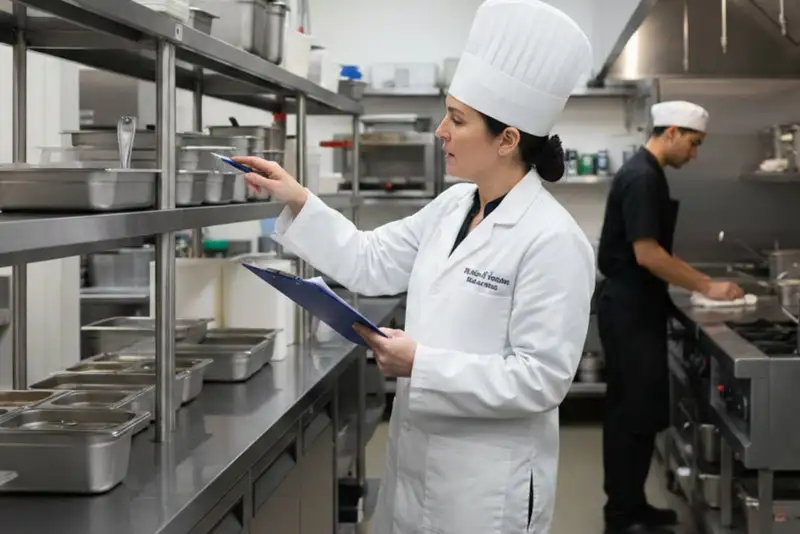
Before you start "deep cleaning" or rewriting checklists, do one simple thing- a fast walkthrough the way an inspector would. This gives you a clear baseline and helps you spot the issues that actually matter. You can do this in 20 minutes, and it's one of the best habits you can build before inspection season.
Start at the front entrance and walk your restaurant like a guest would. Look for obvious red flags - overflowing trash, dirty floors, sticky drink stations, or clutter that makes areas hard to clean. Then move into the kitchen and prep areas. Don't try to fix things as you walk - just take notes. The goal is to see the restaurant as it is.
Use a simple "scan" method in every area -
1. Look up - vents, ceilings, sprinkler heads, and lights (grease and dust build-up stands out)
2. Look across - counters, equipment surfaces, shelves, and walls (splatter, residue, clutter)
3. Look down - floors, drains, under equipment, and behind doors (food debris and standing water)
As you walk, focus on a few key questions -
- Are hand sinks accessible and fully stocked (soap, paper towels, no boxes in the way)?
- Are sanitizer buckets present, labeled, and not cloudy or dirty?
- Do cold and hot holding units look like they're being used correctly (no uncovered food, no overload)?
- Are there signs of pests (droppings, gnaw marks, open food, propped doors)?
When you finish, turn your notes into a short punch list with two categories -
1. Fix today (quick wins) - Restock sinks, replace sanitizer solution, remove clutter, label food, wipe high-touch surfaces
2. Fix this week (maintenance or process) - Deep clean behind equipment, organize storage, repair seals, retrain a habit, update logs
This walkthrough keeps your prep focused. It also helps you coach your team with real examples instead of vague reminders like "be cleaner."
Elevate Food Safety, Simplify Compliance!
Experience Seamless Food Safety with Altametrics!
Food Safety Basics
If you want to pass a health inspection, this is the section that matters most. Temperature control and food labeling are some of the biggest reasons restaurants get marked down. The good news - you don't need a complicated system. You need a simple routine that happens every day, even when it's busy.
Start with temperature checks. Inspectors want to see that you can keep cold foods cold and hot foods hot. Build a habit around three moments -
1. Opening - check key coolers and hot holding units
2. Mid-shift - spot-check during the rush
3. Closing - confirm items were held safely or discarded
Make sure you have working probe thermometers and know where they are. If your thermometer is missing, broken, or "never used," it's a red flag.
Next is time control. Food becomes risky when it sits in the temperature danger zone too long. Your goal is to move food through safe steps quickly and consistently -
- Cook foods to safe temps
- Hold foods at safe temps
- Cool foods quickly when needed
- Reheat foods properly before serving
Cooling and reheating are common problem areas. If you cool large containers of soup in the walk-in with a lid on, it may cool too slowly. A better habit is to use shallow pans, leave space for airflow, and label the time you started cooling.
Labels and dates matter because they show control. Inspectors often check -
- Is food labeled with a name (especially if it's not obvious)?
- Is it dated when it was prepped or opened?
- Are you rotating product using FIFO (first in, first out)?
- Are expired items discarded?
A simple rule is - If someone else wouldn't know what it is or when it was made, label it. That includes sauces, cooked proteins, cut produce, and anything in a prep container.
Finally, keep your system easy for the team -
- Put labels and markers in one spot
- Train one "label check" per shift
- Do a fast cooler sweep daily - toss, relabel, rotate
When temps, time, and labels are handled well, inspections usually go smoother - because you've already reduced the biggest risks.
Cross-Contamination Prevention
Cross-contamination is one of the fastest ways a restaurant can fail an inspection, because it can lead directly to food-borne illness. The good news is most fixes are simple. You don't need expensive equipment - you need clear rules that everyone follows every day.
Start with cooler storage order. This is an inspection classic. Raw foods should never drip onto ready-to-eat foods. A simple setup is -
- Ready-to-eat foods and produce on the top shelves
- Seafood and whole cuts of beef/pork below that
- Ground meats below that
- Poultry on the bottom shelf
Also, keep everything covered and in food-safe containers. Even if the cooler is cold enough, uncovered food can still be contaminated.
Separate raw and ready-to-eat prep. This means using different cutting boards, knives, and prep areas when possible. If you don't have separate tables, you can still stay compliant by using a clear routine -
1. Prep ready-to-eat foods first
2. Clean and sanitize the station
3. Prep raw proteins last
A simple color system for boards and tools can help, but only if your team actually uses it.
Glove use is not a shortcut. Inspectors often watch glove habits. Gloves help only when used correctly. Common mistakes include -
- Wearing the same gloves too long
- Touching phones, aprons, or fridge handles, then touching food
- Using gloves instead of washing hands
A good rule - Wash hands, then glove up. Change gloves when the task changes.
Watch shared containers and utensils. Cross-contamination happens when one dirty utensil touches a clean container. Examples -
- Using the same spoon for multiple sauces
- Storing scoops inside bins with the handle touching product
- Putting cooked food back into a raw-food pan
Use clean scoops, keep handles out of food, and label containers clearly.
Allergens are part of cross-contamination too. Even small amounts can cause serious reactions. Keep it simple -
- Use clean gloves and clean utensils for allergen orders
- Wipe and sanitize the station before preparing the order
- Store common allergens (like nuts) in sealed containers
The goal is consistency. When your team can explain and demonstrate these habits, inspectors feel confident that your food is protected - during inspections and during the rush.
Handwashing and Employee Hygiene
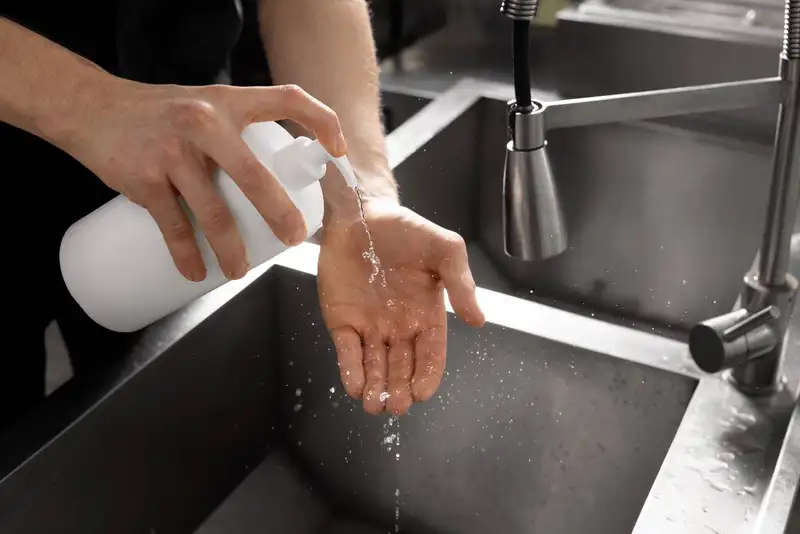
If inspectors see weak handwashing habits, they assume other parts of food safety are weak too. The key is to make hygiene easy to follow and hard to ignore. You're not trying to "catch" employees doing things wrong - you're building a setup where the right habit happens automatically.
First - make every hand sink usable at all times. Inspectors will check this right away. A hand sink should always have -
- Warm running water
- Soap
- Paper towels (or a working hand dryer, depending on local rules)
- A trash can nearby
- No boxes, buckets, or tools stored in or around it
If a sink is blocked, empty, or being used to rinse utensils, it's an easy violation.
Second - keep the handwashing steps simple and consistent. Your team doesn't need a long speech. They need a quick standard -
1. Wet hands with warm water
2. Soap and scrub well (fingers, nails, and wrists)
3. Rinse
4. Dry with paper towel
5. Use the towel to turn off the faucet (if needed)
Posting a small sign helps, but daily reminders and manager modeling helps more.
Third - train "when to wash" using a short list. These are the moments inspectors watch for -
- Before starting food prep
- After handling raw meat, poultry, or seafood
- After touching face/hair, phone, apron, or trash
- After using the restroom
- After eating, drinking, or smoking/vaping
- When switching tasks (even within the same station)
A good habit is to tie handwashing to task changes, not just "when hands look dirty."
Fourth - set clear rules for employee hygiene.
- Hair restraint when required (hat, hairnet, or tied back)
- Clean uniforms or aprons (and change when heavily soiled)
- No bare-hand contact with ready-to-eat foods (use gloves, deli paper, or utensils based on your local rules)
- Bandages and finger cots for cuts, plus a glove over it
Finally - have a simple sick policy. Staff should know they must tell a manager if they have symptoms like vomiting, diarrhea, fever, or jaundice. Don't overcomplicate it - just make it clear that sick employees should not handle food.
When handwashing stations are stocked, rules are simple, and managers reinforce them, inspections go smoother - because your team looks trained, not surprised.
Stay Compliant, Elevate Your Business!
Discover Altametrics for Effortless Compliance Management
Cleaning and Sanitizing
Inspectors don't just want things to "look clean." They want to see that you have a system that keeps food-contact surfaces safe all day long. The easiest way to get this right is to understand one key point- cleaning and sanitizing are not the same thing.
- Cleaning removes dirt, grease, and food debris.
- Sanitizing reduces germs to a safe level after the surface is clean.
If you sanitize a dirty surface, it doesn't count. The sanitizer can't work through grease and food residue.
Start with the items inspectors notice first - prep tables, cutting boards, slicers, knives, utensils, and containers. These should be cleaned and sanitized -
- After working with raw proteins
- After switching tasks (raw to ready-to-eat)
- Any time the surface gets contaminated
- On a regular schedule during the shift
A simple rule many restaurants use is - wipe, wash, sanitize, air dry. Don't towel-dry sanitized surfaces - air drying is usually expected.
Next - wiping cloths and sanitizer buckets. This is a common violation because it's easy to do wrong.
- Keep wiping cloths in a sanitizer bucket when not in use
- Change sanitizer when it gets cloudy or filled with debris
- Use test strips to confirm the sanitizer strength
- Label the bucket if required by your local inspector
If you're using a spray bottle system, make sure it's labeled and mixed correctly.
Dishwashing is another big inspection area. Whether you use a dish machine or a 3-comp sink, your team should know the basics -
- 3-comp sink. (1)Wash (2) rinse (3) sanitize (with the right sanitizer strength) (4) air dry
- Dish machine. Make sure it's running at the proper settings and that staff can explain what they check (temperature, sanitizer, or indicators based on the machine)
Also watch "clean storage." Clean dishes should be stored -
- Upside down or covered
- Away from splash zones
- Not under leaking pipes or near chemicals
Finally - don't forget high-touch surfaces. These don't always cause food-borne illness, but they tell the inspector a lot about your day-to-day control -
- Cooler handles, oven knobs, faucet handles
- POS screens, phones, time clocks
- Door push plates and soap dispensers
The goal is not a once-a-month deep clean. The goal is a daily routine that stays consistent - even during a rush. That's what inspections reward.
Facility Readiness
Even if your food handling is solid, facility issues can still hurt your inspection. Inspectors look for signs that the building supports safe operations - clean restrooms, proper waste handling, working plumbing, and basic pest prevention. These are often "easy points" if you stay on top of them.
Restrooms are a big signal area. If the restroom is dirty or poorly stocked, inspectors may assume handwashing compliance is weak. Do a quick restroom check at least twice a day -
- Soap and paper towels stocked
- Trash not overflowing
- Toilets and sinks clean
- Floors dry and free of debris
- No strong odors (often caused by trash, drains, or poor cleaning)
If your restroom has a hand sink that's out of soap or towels, fix it immediately.
Garbage and grease need a routine. Overflowing trash and sticky dumpsters attract pests fast.
- Empty inside trash frequently, especially in prep and dish areas
- Keep lids closed on trash cans and dumpsters
- Clean trash cans regularly (not just "when they smell")
- Keep the dumpster area clean and free of loose bags or spilled liquid
- Store grease properly and clean any spills quickly
Plumbing problems are inspection magnets. A small leak or slow drain can create standing water, and standing water attracts pests.
- Fix leaks under sinks, behind dish machines, and near ice bins
- Keep drains flowing and clean
- Don't store items directly under leaking pipes
- Make sure hand sinks and prep sinks have good water pressure and hot water available
Floors, walls, and storage also matter. These don't always cause major violations, but they show whether you have control.
- Keep floors clean and dry (especially behind equipment)
- Clean drains regularly (they hold odors and attract pests)
- Store food and single-use items at least 6 inches off the floor
- Keep chemicals clearly labeled and stored away from food
Pest prevention is mostly about habits. Inspectors look for signs of pests, but they also look for what causes pests -
- Doors propped open
- Gaps under doors or around pipes
- Open food containers
- Cluttered storage areas
A simple daily practice - do a quick "back door and dry storage" check at opening and closing. If you keep the building clean, dry, sealed, and organized, you remove the conditions pests need - and inspections go smoother.

Employee scheduling
Employee Time Tracking Tips for Restaurants
Employee scheduling
7 Scheduling Mistakes Restaurant Owners Should Stop Making

Employee scheduling
Human Resource Management for Restaurants
Employee scheduling
Common Payroll Challenges in Restaurants

Sales forecasting
How to Use Restaurant Analytics to Improve Profitability

Restaurant management
The Complete Guide to Restaurant Reputation Management

Accounting payroll
Restaurant Cash Handling Procedures

Accounting payroll
How to Manage Restaurant Finances

Employee scheduling
How to Motivate Restaurant Staff
Frequently Asked Questions
What's the easiest way to avoid cross-contamination violations?
Store raw foods below ready-to-eat foods in the cooler, keep items covered, and clean/sanitize surfaces between raw and ready-to-eat prep tasks.
What's the difference between cleaning and sanitizing?
Cleaning removes grease and food debris. Sanitizing reduces germs after a surface is clean. Sanitizer doesn't work well on dirty surfaces.
What areas do inspectors notice that restaurant managers often forget?
Under and behind equipment, inside microwave handles and gaskets, ice bin scoops/storage, soda nozzles, cooler door seals, and floor drains.
How often should I check food temperatures to stay inspection-ready?
At minimum - at opening, mid-shift, and closing. Also spot-check anytime you cool, reheat, or hold food for long periods.