What does Back of the House Management include?
Back of the House Management covers kitchen staffing, prep systems, station setup, ticket flow, food safety, cleanliness, inventory, and cost controls. It's the systems that keep execution consistent even during busy shifts.
The Basics of Back of the House Management for Restaurants

Understanding Back of the House Management
Back of the House Management is the set of systems you use to run everything guests don't see - but that determines whether service feels smooth or stressful. It's how you manage kitchen people, product flow, and daily execution so the team can produce consistent food quickly, safely, and profitably. For a restaurant owner, BOH management isn't "being in the kitchen all day." It's building clear standards and routines that keep the kitchen stable even when you're not standing there.
Kitchen chaos typically shows up in predictable ways - ticket times spike, re-fires increase, stations run out of backups, the same menu item looks different depending on who's working, and the team starts blaming each other (prep vs. line, line vs. dish, kitchen vs. FOH). You might also see constant 86'd items, rushed ordering, inconsistent portioning, and end-of-night closes that drag on longer than they should. None of this is random. It's a signal that the kitchen is missing structure.
Most BOH chaos comes from a few root causes. First, unclear ownership - no one truly "Owns" pars, cleanliness, prep planning, station readiness, or inventory accuracy. Second, inconsistent routines - opening and shift change are handled differently every day, so problems keep reappearing. Third, poor visibility - owners and managers don't have simple, fast ways to spot issues early (like low backups, cooler disorganization, or portion drift) before they become a rush-hour crisis. Finally, standards exist in people's heads instead of on paper, which makes training slow and results inconsistent.
Once you see BOH management as systems - not personalities - the fixes become straightforward. You're not trying to find "better people." You're putting simple guardrails in place so good people can perform consistently, even under pressure.
Set Clear Roles, Ownership, and Communication Lines

If you want Back of the House Management to feel calm, you need one thing before anything else - clear ownership. Most kitchen problems aren't caused by laziness - they're caused by ambiguity. When everyone thinks "someone else" is responsible, critical tasks slip - pars don't get updated, backups don't get made, the walk-in gets messy, and the line starts service already behind. The fix is to assign responsibility in a way that's simple, visible, and repeatable.
Start with a basic BOH structure, even if you're a small operation - an owner/GM who sets targets and standards, a Kitchen Manager or lead who owns daily execution, station leads who own readiness and quality at their stations, and prep/dish roles that have defined deliverables each shift. You don't need fancy titles - you need clarity. Create a "who owns what" list that covers the tasks that cause chaos when missed - ordering, receiving checks, labeling/date coding, pars and prep planning, station setup, line checks, cooler organization, cleaning assignments, equipment checks, and end-of-night storage and lockup. If a task is important, it should have a name next to it - not a department.
Then tighten communication so problems surface early. Build a simple daily rhythm -
1. Pre-shift huddle (5 minutes). 86'd items, expected volume, staffing gaps, prep priorities, and one quality focus (like portioning or plating).
2. Mid-shift check (2-3 minutes). Are backups holding? Any station falling behind? Any item trending low?
3. Post-shift recap (5 minutes). What ran out, what wasted, what broke, what needs to change tomorrow.
Finally, define handoffs between shifts. Chaos often begins at shift change when the next team inherits surprises- low backups, unlabeled product, unclear prep status, or "we meant to do that later." Use a quick handoff checklist (backups stocked, cooler faced, hot/cold holds logged, waste noted, prep status updated) so the next shift starts ready - not scrambling.
When ownership and communication are clear, you remove 80% of kitchen friction before service even starts.
Build Daily Operating Routines
The fastest way to reduce chaos in Back of the House Management is to stop relying on memory. Great kitchens don't "wing it" each day - they run on routines that make the right actions automatic. Daily operating routines are especially powerful because they prevent the same problems from repeating - missing backups, unclear prep priorities, sanitation gaps, or a line that starts service unprepared. When routines are consistent, your team spends less time reacting and more time executing.
Begin with opening routines that focus on readiness, not just "unlocking the doors." A strong BOH opening checklist should cover - turning on and checking key equipment, verifying hot/cold holding temps, confirming sanitizer setup, stocking the line with the correct pars, pulling thaw items, and setting prep priorities based on what's low. This is also the best time to catch issues early - walk-in disorganization, product that's close to expiring, or deliveries that weren't put away correctly the night before.
Next, build a rush readiness routine that happens before the busiest daypart. Think of it as a short "pre-flight check." Are backups prepped and labeled? Are portions and tools in place (scoops, scales, ladles, tongs, towels)? Is the station setup correct and consistent? Are any menu items running low? If there's a call-out, what's the coverage plan? This routine doesn't need to be long - 10 minutes can save you an hour of firefighting.
Shift change is another chaos trigger. Create a reset checklist that standardizes the handoff - restock key items, label and store product, wipe and re-sanitize surfaces, update prep status, and flag anything that needs attention (low inventory, equipment issues, 86 risks). The goal is to hand the next shift a kitchen that's ready to run, not a mess with hidden problems.
Finally, use a one-page manager walk checklist at least once per shift. It should be quick and visual- line readiness, cooler organization, labels/dates, backup levels, cleanliness of high-risk zones (cutting boards, sinks, fryers), dish flow, and trash/cardboard. This gives you visibility without hovering. Over time, these routines become the system that keeps standards stable - even on your busiest nights.
Standardize Prep Planning
Most kitchen chaos starts long before the first ticket prints - it starts in prep. When Back of the House Management lacks a consistent prep system, the line runs out of backups, cooks scramble to prep during service, and both speed and quality drop. The fix isn't working harder. It's building a simple, repeatable method for deciding what to prep, how much to prep, and when to prep it so you stay stocked without overproducing and wasting food.
1) Set pars. Pars are your "target on-hand" amounts for a shift or daypart. Start with your highest-velocity items (proteins, sauces, rice, chopped veg, dough, dressings). Keep it simple - use sales history when possible, make a reasonable estimate when you can't, and adjust weekly until it matches reality. Accurate pars reduce debates and prevent last-minute shortages.
2) Use a prep sheet tied to pars and dayparts. A prep sheet should list- item, par, on-hand, amount to prep, and who owns it. This turns prep into a clear assignment instead of a vague expectation. It also creates visibility - if a sauce is always short, you'll spot it quickly. If you're consistently over-prepping a garnish, you'll see that too.
3) Standardize labeling, date coding, and storage zones. Prep without labeling leads to confusion, wasted product, and food safety risk. Labels should include item name, prep date, use-by date, and initials. Pair that with FIFO rotation and clearly marked storage zones so product is easy to find and harder to misplace.
4) Build a quick prep prioritization routine. Not everything is equally urgent. Prioritize items that are (a) highest velocity, (b) longest lead time, and (c) most likely to 86 during rush. If something runs low mid-service, the first question should be - "Do we have a backup?" If not, treat it as feedback - update pars and tomorrow's prep plan.
When prep planning is standardized, you trade daily fire drills for predictable production, calmer shifts, and more consistent food.
Station Setup, Ticket Flow, and Quality Control
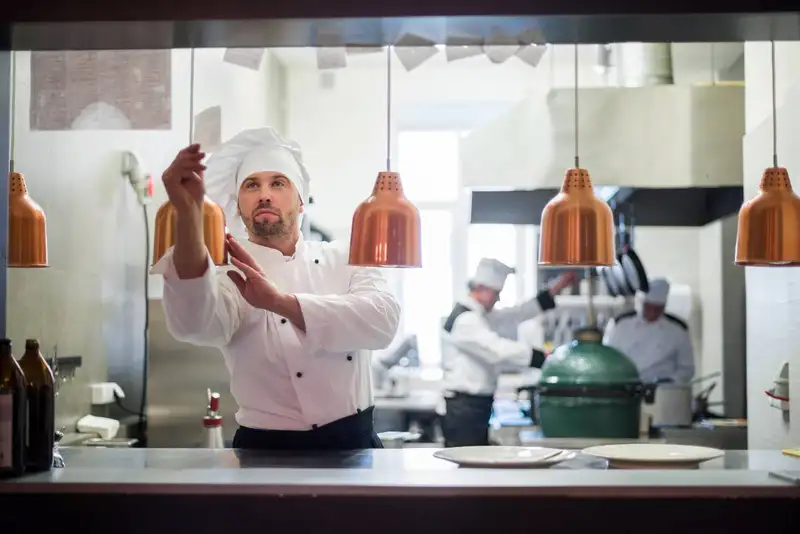
When prep is solid but service still feels chaotic, the issue is usually line execution. Back of the House Management during peak hours comes down to three things - stations that are consistently set up, tickets that move through a clear process, and quality checks that don't slow the kitchen down. You're aiming for a line that operates the same way every shift - so speed and consistency aren't dependent on one "star" cook.
1) Standardize station setup. Create a simple station map or setup list for each position - what goes where, what tools are required, and what "fully stocked" looks like. Include backups and par levels at the station (not just in the walk-in). This prevents the common rush-time spiral - a cook realizes they're out, leaves the line, and the whole station falls behind. If possible, add quick visual standards - photos or a laminated checklist - so new team members can match the setup without guessing.
2) Define ticket flow rules. A kitchen can cook fast and still get crushed if communication is sloppy. Set consistent rules for how tickets are called, acknowledged, and completed. For example- expo calls the ticket, each station calls back their items, and the team confirms timing for longer-cook items. Also define how modifications are communicated and confirmed, and create a clear remake protocol (who approves it, how it's prioritized, and how it's tracked). The goal is fewer "Wait - what did they say?" moments.
3) Install lightweight quality control. Quality control shouldn't be a lecture or a bottleneck. It should be built into the system- portion tools (scales, scoops, ladles), clear specs (recipe cards or plating guides), and quick checkpoints before food leaves the window. Decide what must be consistent every time - portion size, cook temps, garnish, packaging - and train to those standards. Consistency is where profit lives - it reduces waste, comps, and bad reviews.
4) Use peak-period habits.During rush, the best kitchens get quieter - not louder. Reinforce habits like keeping towels and tools reset, restocking between waves, and calling out low backups early. A two-minute "status check" mid-rush can prevent a 20-minute meltdown.
Tight line execution turns busy shifts from stressful to controlled - and it makes your BOH performance reliable no matter who's working.
Control Food Cost and Waste
You don't need complex spreadsheets to improve margins - just a few simple habits that make costs visible and correctable. In Back of the House Management, food cost problems usually come from three places- inconsistent portioning, weak receiving/storage practices, and waste that isn't tracked (so it keeps happening). The goal is to build "lightweight" tracking systems your team will actually use, then review them consistently enough to change behavior.
1) Tighten receiving and storage. Start with a basic receiving routine - verify counts, check quality, confirm prices if possible, and label product before it hits storage. Then keep storage organized with clear zones (proteins, produce, dairy, ready-to-eat, dry goods) and enforce FIFO rotation. If your walk-in is messy, you'll waste time and food - items get buried, expire, or get re-ordered because no one can find them. A clean, labeled cooler is one of the simplest margin improvements you can make.
2) Use portion controls. Portion drift is silent profit loss. Standardize portioning with tools- scales for proteins, scoops for sides, ladles for sauces, and pre-portioned containers where it makes sense. Pair tools with simple specs - "Chicken = 6 oz cooked," "Sauce = 2 oz ladle," "Fries = one level scoop." The more "automatic" portioning becomes, the less your team has to think - and the more consistent your food and costs become.
3) Track waste in 60 seconds. Your waste log should be fast - item, reason (overcooked, dropped, expired, over-prep, wrong order), rough dollar estimate, and a quick note on what to change. If it takes more than a minute, it won't get done. Review it daily or at least weekly and look for patterns - is one item consistently over-prepped? Is a certain station causing most re-fires? Waste tracking isn't about blaming - it's about identifying repeatable problems.
4) Build an inventory rhythm. Do small cycle counts on high-cost items (proteins, cheese, oil) weekly, and do full counts on a set schedule. Watch variances- large swings usually point to portioning issues, receiving errors, theft, or incorrect recipes. Even basic variance awareness helps you take action before food cost "mysteriously" rises.
These systems keep food cost from being a surprise. When costs are visible, your team can control them - and you protect profit without adding chaos.
Use Technology to Manage Labor
Back of the House Management gets exponentially easier when you stop running labor and prep off gut feel, sticky notes, and last-minute texts. The right technology doesn't replace good leadership - but it removes the daily friction that causes burnout - surprise rushes, understaffed stations, over-prep, missing product, and constant "figure it out" moments. Instead of chasing problems all shift, you build a calmer, more predictable operation.
1) Forecasting - Forecasting tools use sales history and patterns (daypart, weekday, seasonality, events) to help you predict volume more accurately. That means you can schedule the right number of people and prep the right amount of product - reducing panic calls, overtime, and the stress of running out mid-rush. Forecasting also helps you justify decisions with data, not guesswork.
2) Scheduling - Scheduling technology helps managers create schedules quickly using sales history to estimate demand and align labor to expected volume. This reduces chronic understaffing (burnout) and chronic overstaffing (wasted labor dollars). For multi-location operators, centralized scheduling makes it easier to apply consistent rules, share best practices, and compare performance across stores.
3) Inventory management - Inventory tools make routine tasks easier - counts are faster, transfers are cleaner, and variances become visible. When you can analyze menu item costs and ingredient usage, you can spot where margin is leaking (portion drift, waste, price changes, inconsistent prep). Less confusion around inventory also reduces the "we're out again?" stress that hits the line during peak.
4) Purchasing and receiving tools - Automated purchasing and receiving systems standardize orders, reduce errors, and help ensure deliveries match what you paid for. When receiving is consistent and tracked, you avoid missing items, surprise price increases, and last-minute substitutions that throw the kitchen off. The result is fewer emergency runs, smoother prep, and better cost control.
5) Recipe management - Recipe management technology gives you detailed recipes for each dish - ingredients, yields, prep steps, and portion specs - so quality doesn't depend on who's working. It also helps you understand true plate cost, adjust when vendor prices change, and maintain profitability without constant trial-and-error.
6) Commissary tools - If you operate multiple restaurants, commissary systems help ensure consistent food production and ingredient use everywhere. Centralized prep, batch tracking, and standardized builds reduce store-level variability, improve quality control, and lessen the training burden - especially when staffing changes.
7) Digital logbooks - Logbooks create a single place for shift notes, daily activities, guest feedback, and maintenance issues. Instead of relying on verbal handoffs, teams can see what happened, what needs attention, and what changed. That reduces miscommunication, improves accountability, and prevents small problems from becoming next shift's crisis.
When you pair strong leadership with the right tools, Back of the House Management becomes less reactive and more repeatable. You don't just "get through the shift" - you build an operation that runs smoother, costs less, and keeps your team healthier over time.
Common Terminology from the Front and Back of House
Every restaurant runs on its own shorthand - fast phrases, abbreviations, and kitchen slang that help people communicate in seconds. When both Front of House (FOH) and Back of House (BOH) understand the same terms, orders move with fewer mix-ups, especially during a rush. A shared vocabulary keeps everyone aligned, reduces confusion, and helps the shift feel more controlled.
Here are a few common terms you'll hear across FOH and BOH -
1. "86" - Signals that an item is unavailable. Example - "86 salmon" means stop selling it immediately.
2. "All day" - The total quantity of a menu item needed right now across all active tickets. Example - if multiple tickets include burgers totaling six, that's "six burgers all day."
3. "Fire" - A cue to begin cooking a specific order or course. It's often used to time food so everything finishes together.
4. "In the weeds" - Means someone is slammed and falling behind - either on the floor or on the line.
5. "On the fly" - Indicates an urgent remake or priority item that needs to be pushed quickly due to a mistake, change, or delay.
6. "Expo" - Short for expediter, the person coordinating the window, checking accuracy, and directing food to the right servers/table.
7. "Par level" - The target minimum amount you should keep on hand for an ingredient or item to avoid running out.
When FOH and BOH learn these terms and use them consistently, teamwork improves and service runs cleaner. Instead of chaos, you get coordination - fewer errors, faster recovery when problems pop up, and a smoother flow from kitchen to table.
Inventory management
How to Conduct a Food Waste Audit in Your Restaurant

Software integration
Smart Ways to Use AI in Your Restaurant

Employee scheduling
Employee Time Tracking Tips for Restaurants
Employee scheduling
7 Scheduling Mistakes Restaurant Owners Should Stop Making

Employee scheduling
Human Resource Management for Restaurants
Employee scheduling
Common Payroll Challenges in Restaurants

Sales forecasting
How to Use Restaurant Analytics to Improve Profitability

Restaurant management
The Complete Guide to Restaurant Reputation Management

Accounting payroll
Restaurant Cash Handling Procedures
Frequently Asked Questions
How often should I do inventory counts?
Do weekly cycle counts on high-cost items (proteins, cheese, oil) and schedule full inventory regularly (often monthly). Track variances to catch portion drift, receiving errors, or theft.
What are the most common causes of kitchen chaos?
Usually it's unclear ownership, inconsistent routines, weak prep planning, poor communication, and lack of visibility (no quick checks for backups, labels, pars, or station readiness).
What should a good prep sheet include?
Item name, par, on-hand, amount to prep, responsible person, and a notes column (86 risk, special prep, expected volume). Keep it short so it gets used daily.
What's the simplest way to improve ticket times?
Standardize station setup and ticket flow - consistent mise en place, clear call-backs, defined communication rules, and quick mid-rush status checks to prevent stations from falling behind.