What are the biggest signs I've outgrown my tech stack?
The biggest signs are repeated manual work, inconsistent reports, frequent data reconciliation, unreliable integrations, labor/payroll stress, and guest-facing problems like ordering or payment friction.
How to Tell If Your Restaurant Has Outgrown Its Tech Stack

Overview
In a restaurant, your tech stack is the set of tools that keeps the business running day to day - your POS, online ordering, payments, scheduling, timekeeping, inventory, purchasing, accounting, reporting, and anything that connects (or fails to connect) those pieces. You've outgrown your tech stack when those tools no longer match the reality of how you operate, how fast you need to move, and how many moving parts you're managing.
That's different from simply "wanting newer features." Outgrowing your stack shows up when the system creates work instead of removing it. Your team spends time doing manual steps that should be automated - re-entering sales into spreadsheets, exporting files to reconcile labor, updating menus in multiple places, or chasing down missing data because systems don't sync cleanly. When you outgrow your stack, the friction becomes predictable- the same workarounds happen every week, and everyone accepts them as normal.
Operations Warning Signs
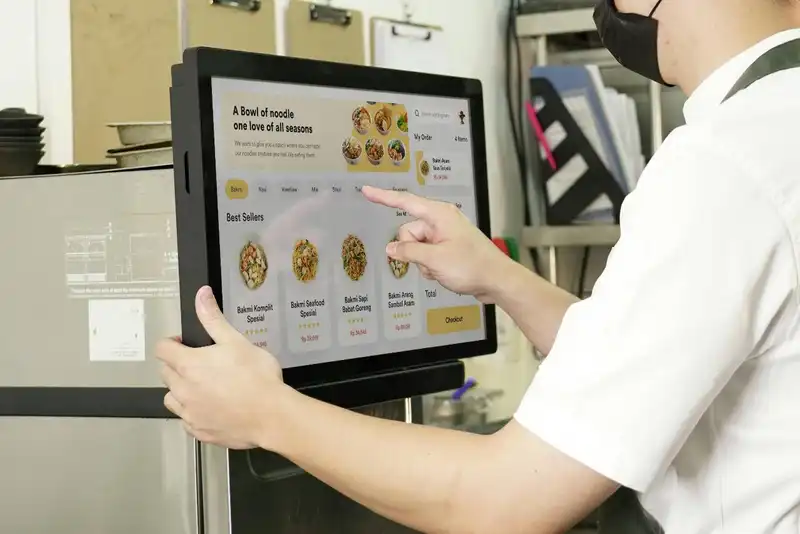
The clearest sign you've outgrown your tech stack is when everyday operations require extra effort just to stay afloat. Not "busy-night chaos" (that's normal), but consistent friction that makes routine tasks feel heavier than they should. If your managers and staff keep saying, "This is just how we do it," yet the process includes multiple workarounds, that's often a tech stack problem hiding in plain sight.
One common warning sign is manual work creeping into everything. You find yourself retyping the same information in multiple places - updating the menu in the POS, then again in online ordering, then again in delivery channels. Or managers export reports at the end of every day to clean them up, because the system doesn't present the numbers in a usable way. Over time, these "small tasks" become a real labor cost and a consistency risk.
Another red flag is when your tools struggle during the moments that matter most - rush periods and shift changes. If order flow slows down, tickets back up, devices lag, or staff avoid certain functions because they're confusing or unreliable, your tech is no longer supporting service - it's actively adding pressure. You might see more voids, more comps, more "we'll fix it later" behavior, or more guest-facing delays because the workflow isn't smooth.
Pay attention to what managers spend time on. If your leaders are constantly troubleshooting, "finding the right report," chasing missing punches, fixing menu mistakes, or reconciling deposits instead of coaching, improving speed, and managing labor, that's a sign the system isn't scaling with your operation. The more your restaurant grows - more staff, more SKUs, more channels - the more those inefficiencies multiply.
A simple test - if your best managers can't run a clean shift without relying on spreadsheets, notes, or memory to plug gaps in the system, you're not dealing with a training issue. You're dealing with a tech stack that's been outgrown.

Data and Reporting Red Flags
Restaurants run on tight margins, so when your reports feel unreliable - or take too long to produce - you're not just inconvenienced. You're making decisions with blurred vision. A major sign you've outgrown your tech stack is when you can't confidently answer basic questions like - What did we sell? What did we waste? What did labor really cost? Did we hit our targets? And you shouldn't need three exports, two logins, and a spreadsheet cleanup to get there.
One of the biggest red flags is conflicting numbers across tools. Sales totals in your POS don't match what shows up in accounting. Labor hours in scheduling don't match timekeeping. Discount totals, tips, or taxes vary depending on which report you pull. When systems disagree, managers start picking the report they trust most instead of relying on one source of truth. That's risky because it creates inconsistent decisions across locations and shifts - and it makes it harder to diagnose real performance issues.
Another sign is when reporting is too delayed to be useful. If you only review labor and sales after the week is over (or after payroll is processed), you lose the chance to correct course in real time. The same goes for inventory- if variance shows up late, the opportunity to spot portioning issues, theft risk, invoice mistakes, or recipe drift has already passed. A stack that supports growth makes it easy to see key KPIs quickly - ideally daily, and sometimes hourly.
Watch for "spreadsheet dependence" as well. Spreadsheets aren't the enemy, but if your operation requires them to do basic tasks - like calculating labor %, tracking comps/voids, monitoring overtime exposure, or understanding theoretical vs. actual usage - your systems aren't doing enough. You're not just exporting for analysis; you're exporting because your reporting layer can't keep up.
A practical rule - if you can't get clean, consistent reporting on prime cost drivers (sales, labor, and inventory) with minimal manual work, your tech stack is no longer keeping pace with the business. That's when better integration, stronger reporting, and clearer data ownership stop being "nice to have" and become essential.
Integration Breakdown
A restaurant tech stack can look "complete" on paper - POS, online ordering, delivery integrations, scheduling, payroll exports, inventory, accounting - yet still feel broken day to day. That usually happens when the tools don't share data smoothly. You've likely outgrown your tech stack when your operation relies on what you could call human integrations - people copying data from one system to another, fixing sync errors, or rebuilding the truth in spreadsheets.
The first sign is duplicate work. Sales categories have to be mapped multiple times. Menu items and modifiers exist in different systems with slightly different names. Discounts, service charges, and tender types don't carry over cleanly. Instead of one update flowing everywhere, every change becomes a mini-project - and the bigger your menu or the more channels you add, the worse it gets. This is why scaling restaurants often feel like they're "updating menus constantly" even when they're only making normal changes.
The second sign is sync reliability issues. If integrations fail quietly, or you regularly see missing punches, missing sales days, duplicated transactions, incorrect tax mapping, or online menus that don't match the in-store POS, you're paying the cost twice- once in labor to fix it, and again in risk (wrong pricing, wrong reporting, guest complaints, or payroll mistakes). A stack that's been outgrown turns exceptions into routine.
Another red flag is when integrations exist, but they're too fragile or too limited. Maybe data only syncs once per day. Maybe it only syncs totals, not detail. Maybe it won't handle the way you actually operate - like cross-trained staff, multiple revenue centers, catering deposits, or multi-location reporting. That gap forces you to "work around the system," which creates more manual steps and more chances for errors.
If you're unsure, ask your managers a simple question - How many times per week do we have to reconcile, re-enter, or troubleshoot data between systems? If the answer is "constantly," the issue isn't just annoying - it's structural. At that point, improving integrations (or reducing the number of disconnected tools) isn't an IT project. It's an operations upgrade that protects profit, time, and consistency.
Growth and Complexity Triggers
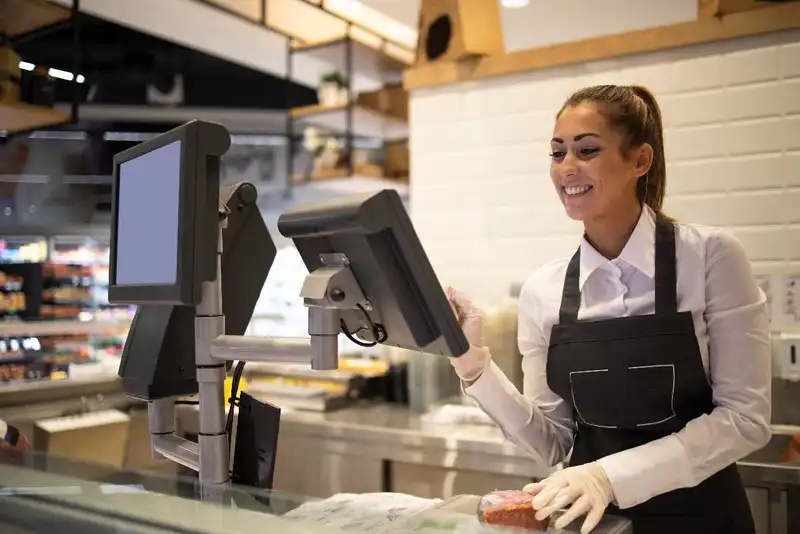
A lot of restaurant tech stacks work "fine" when you're one location, one sales channel, and a relatively stable menu. But the moment you grow - even a little - the same tools can start to feel like they're fighting you. That's because growth adds complexity, and complexity exposes the limits of systems that were never built to scale.
One major trigger is adding revenue channels. If you expand into delivery, catering, large orders, QR ordering, or multiple ordering platforms, your tech stack has to keep menus, pricing, throttling, hours, item availability, and reporting aligned across every channel. When it can't, you'll see the symptoms - guests ordering items that are 86'd, inconsistent pricing, missing modifier options, confusing pickup instructions, or order volume spikes that overwhelm the kitchen. These aren't just "online ordering problems" - they're signs your stack isn't designed to handle multi-channel operations cleanly.
Another trigger is menu complexity and change frequency. The more modifiers, combos, LTOs, and daypart pricing you use, the more your systems need to support fast, accurate updates with strong controls. If a simple change requires multiple approvals, multiple logins, or a manager with "special knowledge," you're creating a single point of failure. The result is slower innovation - you stop testing new items or promos because it's too painful to set up correctly.
Growth also stresses roles, permissions, and oversight. As your team expands, you need clean access control - who can comp, void, discount, edit punches, override breaks, change recipes, or adjust inventory counts. If your tools can't support clear permissions and audit trails, you either lock everything down (slowing operations) or leave it too open (increasing shrink and compliance risk). Neither scales well.
Finally, multi-location management is a stress test. Once you have more than one store - or even one store with multiple dayparts, concepts, or revenue centers - you need standardized reporting, consistent configurations, and easier rollouts. If "copying settings" isn't reliable, or each location becomes its own version of the system, you lose consistency fast.
A practical way to think about it - growth shouldn't make the basics harder. If expansion makes menus slower, reporting less accurate, and controls weaker, you're not just growing - you're outgrowing your tech stack.

Labor and Compliance Stress
Labor is usually the biggest controllable cost in a restaurant, so when your labor tools feel shaky, the stress shows up fast. A strong sign you've outgrown your tech stack is when scheduling, timekeeping, and payroll processes feel like a weekly fire drill - especially when you're trying to stay consistent across managers, roles, and locations.
One red flag is schedule complexity that your system can't handle well. Maybe you're juggling cross-trained employees, split shifts, multiple job codes, multiple locations, or varying rules by role (minors vs. adults, tipped vs. non-tipped). If your scheduling tool can't reflect how you actually staff the restaurant - or if it produces schedules that look good on paper but fall apart in reality - managers start making changes off-system. That leads to inconsistent labor tracking and makes it harder to learn what staffing patterns truly work.
Another sign is messy time edits and approvals. If managers frequently adjust punches without clear reason codes, or approvals happen late and inconsistently, you lose auditability. Over time, this can create payroll errors, employee distrust ("my hours are wrong again"), and management overload. A stack that scales makes it easy to track what changed, who changed it, and why - without slowing down operations.
Compliance pressure is another big signal, even if you're not thinking of it as "compliance." If your team is constantly worried about missed breaks, overtime exposure, tip rules, or location-specific labor regulations - and your tools don't provide clear alerts, guardrails, or reporting - you're operating with unnecessary risk. The bigger your team gets, the harder it becomes to "manage it manually" with good intentions and memory.
Finally, pay-related workflows are a tell. If tip distribution, payroll exports, and pay calculations require manual steps every period - copy/paste, reformatting files, correcting mismatched job codes, or reconciling labor data across systems - you're spending labor to process labor. And those manual steps are exactly where expensive mistakes tend to happen.
If the way you manage labor relies on a few "power users" who know all the workarounds, that's not resilience - that's fragility. At that point, it's a strong indicator your restaurant has outgrown its labor tech stack and needs cleaner automation, tighter controls, and reporting you can trust.
Guest Experience Signals
Even if you think of your tech stack as "back office," guests feel it the moment your systems stop supporting speed, accuracy, and consistency. One of the most telling signs you've outgrown your tech stack is when tech issues start showing up as guest-facing problems - not once in a while, but repeatedly enough that your team has a script for it.
A big warning sign is ordering friction. That can look like online menus that don't match in-store pricing, modifiers that are missing or confusing, or ordering flows that create mistakes (guests select the wrong size, can't add a simple instruction, or don't see key add-ons). In-store, it can show up as slower ordering because the POS screens are cluttered, laggy, or inconsistent - especially during peak. When your staff has to "tap around" to complete common orders, the line grows, the kitchen gets slammed, and accuracy drops.
Payments are another guest-experience tell. If checkout is slow, card declines happen more than they should, you can't support modern payment options, or refunds/adjustments are painful, guests notice. And while one payment glitch is forgivable, repeated friction creates a perception that the restaurant is disorganized - even if your food and service are excellent.
Then there's availability and fulfillment. If your system can't properly manage 86'ing items across channels, throttle orders when the kitchen is overloaded, or keep prep times realistic, you'll see the downstream effects - late orders, angry delivery customers, and staff scrambling to explain what happened. These aren't just "delivery problems." They're stack problems caused by disconnected ordering, kitchen workflows, and menu management.
Finally, loyalty and repeat business can suffer quietly. If you can't identify repeat guests, track promotions cleanly, or segment customers for simple outreach, you're likely leaving revenue on the table. Your team might be working hard to drive frequency, but your stack isn't helping you build a reliable customer engine.
If these guest-facing issues sound familiar, it may be time to simplify and strengthen how your restaurant systems connect - especially across labor, operations, and reporting. Altametrics helps restaurants modernize their tech stack with tools designed to reduce manual work, improve visibility, and support consistent operations as you grow. Explore how Altametrics can fit into your stack and help you scale by clicking "Schedule a Demo" below.

Capture Every Punch with Precision
Elevate Your Hospitality Operations with Altametrics

Sales forecasting
How to Use Restaurant Analytics to Improve Profitability

Restaurant management
The Complete Guide to Restaurant Reputation Management

Accounting payroll
Restaurant Cash Handling Procedures

Accounting payroll
How to Manage Restaurant Finances

Employee scheduling
How to Motivate Restaurant Staff
Software integration
10 Ways Technology Can Help Control Food Cost in Restaurants

Restaurant management
How Much Should a Restaurant Spend on Marketing?

Inventory management
The Complete Guide to Bar Inventory Management for Restaurants
Frequently Asked Questions
Why do integrations matter in a restaurant?
Because disconnected systems create duplicate work and conflicting numbers. When POS, labor, inventory, and accounting don't sync cleanly, managers spend time fixing data instead of running the business.
What reporting issues are red flags?
Red flags include sales and labor numbers that don't match across tools, delayed reporting (only weekly instead of daily), limited KPI visibility, and heavy dependence on exports just to understand prime cost.
How can my tech stack impact guest experience?
Guests feel slow ordering, checkout delays, incorrect online menus, missing modifiers, poor item availability syncing (86s), late orders, and inconsistent promos - often caused by disconnected systems and fragile workflows.
What are signs my POS can't support my operation anymore?
Slow workflows at peak, complicated modifier setup, limited permissions/audit trails, difficult menu maintenance, unreliable reporting, and frequent workarounds for common tasks.