What type of loyalty program works best for restaurants?
The best loyalty program for restaurants is one that's simple to join, easy to earn, and rewarding to redeem - such as visit-based or points-based programs that encourage repeat visits, increase average check size, and fit seamlessly into daily operations.
Loyalty Program Ideas For Restaurants

Benefits of Loyalty Programs
Restaurant loyalty isn't just about giving discounts - it's about building habits. In a market where guests have endless options, the restaurants that win aren't always the ones with the cheapest deals. They're the ones that stay top of mind, make it easy to come back, and give customers a reason to choose them again this week instead of "someday."
A well-designed loyalty program helps you do three important things at once -
1. Increase repeat visits - When guests know they're earning something every time they order - whether it's points, visits, or VIP perks - they're more likely to return sooner and more often. The best loyalty programs create momentum - one visit leads naturally to the next.
2. Raise average check size - The right rewards encourage smarter spending behavior - like adding an item, upgrading a side, or choosing a bundle - rather than simply cutting the bill. This is where loyalty becomes a profit tool, not a margin killer.
3. Build a direct relationship with your guests - Loyalty programs help you capture customer data (even basic data like visit frequency and favorite items). That means you can communicate directly through email or SMS, send timely offers, and win back customers who haven't visited in a while - without relying entirely on third-party platforms.
That said, many restaurant loyalty programs fail for predictable reasons - they're too complicated, the rewards aren't exciting, the staff doesn't promote it, or guests don't understand how to use it. The good news is you don't need a complex system to make loyalty work. You need a program that feels simple to join, easy to earn, and genuinely worth it to redeem.
Pick the Right Loyalty Model for Your Restaurant
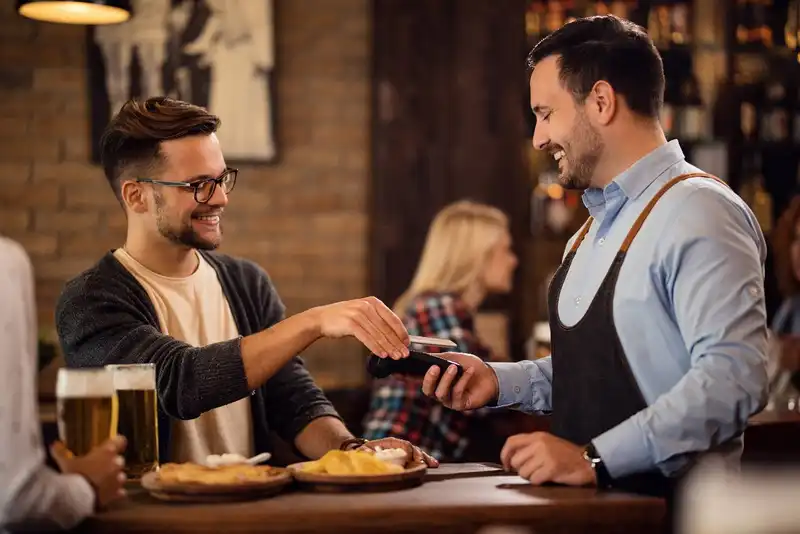
Before you choose rewards, you need the right structure. The best loyalty program model is the one your guests will actually understand and use - and the one your operation can run consistently without confusion.
Here are the most effective loyalty models for restaurants, plus how to decide which fits your concept.
1) Points-Based Loyalty - Guests earn points based on dollars spent (example - 1 point per $1, or 10 points per $1). Once they hit a threshold, they redeem for rewards. This model works well if you have a wide menu, varied ticket sizes, or a lot of repeat visits. It also feels flexible because guests can choose when to redeem. The risk is complexity - if the points math isn't easy, people stop caring.
Best for - fast casual, full-service, bars, multi-unit brands
Make it work - keep redemption thresholds simple and achievable.
2) Visit-Based Loyalty - This is the "punch card" style - after a certain number of visits, guests get a reward. It's incredibly easy to understand and can drive frequency fast. It doesn't require customers to do mental math, and it works especially well when your typical spend per visit is fairly consistent.
Best for - coffee shops, QSR, dessert concepts, lunch-driven brands
Make it work - choose a visit target that feels attainable (not too far away).
3) Tiered / VIP Loyalty - Guests unlock tiers (Silver/Gold/VIP) based on spend or visits, and each tier gets better perks. This model is powerful because it creates aspiration - people like feeling recognized. Tiering also helps protect your margins because your best perks go to your best customers.
Best for - full-service, premium fast casual, brands with loyal regulars
Make it work - offer perks that feel special (priority pickup, exclusives), not just discounts.
4) Paid Membership - Guests pay a small fee for ongoing benefits, such as a monthly credit, free delivery, or member-only perks. This creates predictable revenue and strong retention - but only works if the value is obvious and the benefits are easy to use.
Best for - high-frequency concepts, delivery-heavy brands
Make it work - keep the offer straightforward (e.g., "$10/month gets $10 credit + perks").
5) Hybrid Programs - Many restaurants combine models - for example, points for everyone plus VIP tiers for heavy users. Hybrid programs can be excellent, but only if they remain simple to explain in one sentence.
How to choose quickly
If you want frequency, visit-based is great. If you want bigger checks and flexibility, points work well. If you want status and retention, tiers help. If you want predictable recurring revenue, paid membership is the move. The right choice is the one your team can promote every day and your customers can understand in seconds.
Reward Ideas
Your rewards are the "why - behind the program. If the reward feels boring, too far away, or not worth the effort, guests won't engage - no matter how good your tech is. The goal is to offer rewards that feel exciting to customers while staying financially smart for your restaurant. The best rewards typically fall into three buckets- high perceived value, behavior-changing, and emotionally memorable.
1) High-Perceived-Value, Low-Cost Rewards - These are the easiest wins because they feel generous but often cost less than a straight discount. Think -
- Free add-ons (extra sauce, premium topping, avocado, cheese, protein upgrade)
- Free size upgrades (medium to large drink, side upgrade)
- Free appetizer or dessert with purchase (great for full-service)
- Bundle boosts (free item when ordering a combo)
These rewards work because guests love free, and you're often giving something with strong margin.
2) Next-Visit Rewards (Bounce-Back Incentives) - A loyalty program should pull customers back sooner. Bounce-back rewards do exactly that -
- "Earn this today, redeem on your next visit"
- "Redeem within 7 days for an extra bonus"
- "Come back this week for a surprise reward"
This keeps your restaurant top of mind and helps smooth out gaps between visits.
3) Surprise-and-Delight Rewards - Not everything has to be predictable. Occasional random rewards increase excitement and make loyalty feel fun -
- Mystery bonus points on a slow day
- A surprise free drink for loyal members
- "You just unlocked a bonus reward" after a certain milestone
Surprise rewards create emotional connection and word-of-mouth because customers love telling people they got something unexpected.
4) Occasion-Based Rewards That Feel Personal Simple personal touches can be powerful -
- Birthday reward (free dessert, drink, or entree with purchase)
- Anniversary of joining ("You've been with us 1 year!")
- First-visit bonus ("Thanks for joining - here's a welcome reward")
5) Experience Perks (Not Discounts)
Perks feel premium and protect margins -
- Priority pickup line or shelf
- Early access to limited-time items
- Member-only menu items or flavors
- Free delivery window (if applicable)
The best rule - choose rewards that are easy to explain, easy to redeem, and clearly valuable to your guests - without turning your loyalty program into a nonstop discount engine.
Rules, Thresholds, and Guardrails
A loyalty program should grow repeat visits and spend - but it shouldn't quietly drain your margin. The difference between a profitable loyalty program and an expensive giveaway is usually structure - how people earn, how they redeem, and what guardrails keep the program sustainable. The good news is you can protect profitability without making the program feel "cheap" or restrictive.
1) Set Smart Earning Rates and Redemption Thresholds - Start by working backward from what you can afford. If your average profit per order is tight, don't set rewards that trigger too quickly or too often. For points-based programs, avoid too generous earning rates that basically turn into an automatic discount on every visit. For visit-based programs, make sure the reward happens after enough visits that you've earned it (and the guest feels invested).
Practical tip - keep it easy to understand in one sentence (example - "Earn 1 point per $1, get $10 off at 100 points.")
2) Balance "Quick Wins" with Aspirational Rewards - Guests need early momentum. If the first reward is 10 visits away, many people drop off. Offer a small, attainable reward early (like a free add-on after the first or second visit), then save bigger rewards for higher thresholds. This keeps engagement high while still protecting your margin over time.
3) Use Guardrails That Feel Fair (Not Punishing) - Rules are normal - what matters is how they're framed. Common guardrails include -
- Minimum purchase required to redeem (prevents "reward-only" orders)
- Exclusions for high-cost items (like premium proteins or alcohol)
- Valid days/times (use slow periods strategically without upsetting guests)
- One reward per order (simple fraud prevention)
Keep the rules short and visible. If customers feel tricked at checkout, they won't come back.
4) Avoid Training Customers to Wait for Discounts - If every message you send is "20% off," your program becomes a discount habit, not a loyalty habit. Instead, reward behaviors that help your business -
- Try a new menu item
- Visit during a slow daypart
- Add a side or upgrade
- Place an order through your preferred channel
This builds profitable habits rather than discount dependence.
5) Plan for Fraud, Breakage, and Operational Simplicity - Loyalty programs get messy when staff have to "guess" how to fix issues. Create simple policies for -
- Forgot-to-scan situations (one-time courtesy points rule)
- Account sharing or suspicious redemptions
- Refunds and points adjustments
- Reward stacking (clear yes/no rules)
The goal is a loyalty program that feels generous and exciting to customers - while staying predictable, controllable, and profitable for you.
Personalization Ideas Using Simple Data

Personalization sounds fancy, but you don't need a huge marketing team or complex AI to make it work. In restaurants, personalization is simply using the basics - how often someone visits, what they order, and when they show up - to send offers that feel relevant. The payoff is big - relevant rewards get redeemed more often, bring guests back sooner, and reduce the "spray and pray" discounting that hurts margins.
1) Segment Guests by Visit Frequency Start with three simple groups -
- New members (0-2 visits). focus on welcome rewards and getting the second/third visit quickly.
- Regulars (consistent repeat visits)- reward consistency and add perks that make them feel recognized.
- Lapsed guests (no visit in 30/60/90 days)- run win-back offers with a time limit.
Each group needs a different message. A brand-new customer doesn't need a VIP tier pitch - they need a reason to come back soon.
2) Personalize Based on Favorite Items - Even basic purchase history helps. If someone always buys burgers, don't send them a salad promo. Instead -
- Offer a complementary add-on (fries upgrade, dessert, drink)
- Promote a new variation of what they already love (new topping, limited-time flavor)
- Suggest a bundle built around their usual order
This feels more like service than marketing - and it often increases average check size naturally.
3) Personalize by Daypart and Visit Patterns - Pay attention to when guests typically visit -
- Lunch regulars can get weekday lunch perks
- Late-night visitors can get after-8pm bonus points
- Weekend diners might respond to weekday incentives that shift demand into slower periods
This is one of the smartest ways to use loyalty without discounting your whole menu.
4) Trigger Rewards for Key Moments - Simple automated triggers make loyalty feel human -
- Birthday reward (easy win)
- "First purchase" thank-you bonus
- Milestones (5th visit, 10th visit, 1-year member anniversary)
- Big spender recognition ("You unlocked VIP perks")
These messages create emotional connection because they feel specific - not generic.
5) Win-Back Campaigns That Don't Beg - When someone goes quiet, don't just offer a discount. Give a clear reason to return -
- "We miss you - here's a free add-on this week"
- "Double points if you visit before Sunday"
- "Try our newest item and earn a bonus reward"
Personalization works best when it's simple, timely, and tied to behaviors you want more of. Your loyalty program becomes more than a points bank - it becomes a smart system that brings the right guests back at the right time.
Gamification and Engagement Boosters
A loyalty program gets results when customers feel progress. Gamification is simply adding small "game-like" elements - challenges, milestones, streaks, and surprise bonuses - that make loyalty more fun and more motivating. Done right, gamification increases repeat visits without relying on bigger discounts. The key is keeping it simple enough that guests understand it instantly.
1) Run Short, Clear Challenges (Behavior-Based) - Challenges give guests a reason to come back sooner and try more items. Examples -
- "Visit 2 times this week, earn a bonus reward"
- "Order 3 times this month, unlock a free add-on"
- "Try a new menu item and get double points"
- "Add a side to your order 3 times and earn a free upgrade"
The best challenges reward behaviors that help your business- increasing frequency, driving add-ons, or boosting off-peak traffic.
2) Use Streaks to Build Habits - Streaks work because they tap into momentum. If someone visits once, you want to pull them into a pattern -
- Weekly streak. "Visit once a week for 4 weeks = bonus reward"
- Daypart streak. "3 lunch visits in 2 weeks = free drink"
- Seasonal streak. "Earn rewards during our winter streak campaign"
Make streaks achievable. If the goal feels unrealistic, it becomes noise.
3) Add Milestones and "Level Up" Moments - People like recognition. Simple milestones make guests feel seen -
- "You just hit your 5th visit - here's a bonus"
- "You reached 100 points - unlock a VIP perk"
- "You're now a Top Fan (tier upgrade)"
Milestones reduce drop-off because guests can see they're making progress, not starting over each time.
4) Try "Mystery Rewards" to Create Excitement - Surprise-and-delight rewards increase engagement because they're unpredictable -
- Mystery bonus points on slow days
- Random free add-on after checkout
- "Spin-to-win" style reward (digital version)
Even small surprises feel memorable, and customers talk about them - which boosts word-of-mouth.
5) Build Referrals into Loyalty (Without Spamming) - Referrals can grow your customer base while rewarding loyal guests -
- "Give $5, get $5" credits
- "Earn bonus points when a friend joins and orders"
- "Unlock a special reward after 3 referrals"
Keep referral rewards tied to a real purchase (not just a signup) to prevent abuse.
Gamification works best when it supports your goals - more repeat visits, more profitable behaviors, and stronger retention. You're not turning your restaurant into a video game - you're giving customers a simple, motivating reason to choose you again and again.
Signup, In-Store Execution, and Staff Adoption
The fastest way for a loyalty program to fail is friction. If it's hard to join, confusing to use, or awkward for staff to mention, guests won't participate - no matter how good the rewards are. Your goal is to make loyalty feel like a natural part of ordering, not an extra task.
1) Make Signup a 10-Second Experience - Most guests will not fill out long forms. Keep enrollment lightweight -
- QR code signup at the counter, on tables, and on receipts
- Text-to-join ("Text LOYAL to 12345")
- Online ordering prompts ("Join and earn a welcome reward")
- Checkout ask on the POS ("Phone number for rewards?")
If you can, allow guests to join with just a phone number or email, then collect more info later (like birthdays) once they trust the program.
2) Put Loyalty Prompts Where Guests Already Look - Visibility is everything. Loyalty should be promoted in the " decision moments" -
- Menu boards and digital screens (simple one-liner)
- Table tents or QR stickers
- Receipt messaging (You could've earned points today)
- Bag stuffers for takeout orders
- Your website, online ordering page, and confirmation emails
Your messaging should be simple and benefit-driven, like - "Earn rewards every visit - join in seconds."
3) Train Staff with a Script That Doesn't Slow Service - Most staff don't dislike loyalty - they dislike long explanations. Give them a short script -
- Counter. "Want to earn rewards? Just scan this QR - takes 10 seconds."
- Full-service. "If you're part of our rewards program, you'll earn points on this check."
- Phone/online. "Join rewards for a welcome perk on your next order."
Make it feel optional and friendly, not pushy.
4) Assign Ownership and Track Simple Metrics - Programs fail when "everyone" owns it, meaning no one does. Assign a manager to track -
- Daily/weekly signups
- Active members (not just total members)
- Redemptions (are rewards being used?)
- Staff participation (which shifts are getting signups?)
Even a quick weekly check-in keeps the program alive.
5) Remove Common Friction Points - Have policies for the most common issues -
- Forgot to scan/enter number (one courtesy fix per month)
- Reward not showing (simple verification process)
- Redemption rules (clear yes/no on stacking rewards)
When loyalty is easy to join, easy to explain, and easy to redeem, it becomes part of your restaurant's rhythm - and that's when it starts driving real repeat business.
Measure, Optimize, and Scale
A loyalty program isn't something you set up once and forget. The restaurants that get the best results treat loyalty like an operating system - they measure what's working, adjust what's not, and keep the program fresh without constantly increasing discounts. The good news is you don't need 50 metrics - just a few key numbers and a simple rhythm for improvement.
1) Track the Metrics - Start with these core KPIs -
Enrollment rate. how many guests join compared to total transactions. If you have lots of traffic but low enrollment, you have a promotion or signup-friction problem.
Active member rate. what percentage of members ordered in the last 30-60 days. This separates "real loyalty" from a list of inactive accounts.
Visit frequency lift. are members visiting more often than non-members? Even a small increase can be meaningful.
Redemption rate. are people actually using rewards? Too low can mean rewards aren't attractive or are too hard to redeem; too high can mean your rewards are too generous.
Average order value (AOV) lift. are loyalty members spending more per order than non-members? If not, adjust rewards to encourage add-ons and bundles rather than pure discounts.
Win-back performance. how many lapsed members return after a reactivation offer (and whether they return again after that).
2) Test One Change at a Time
A common mistake is changing everything and not knowing what worked. Instead, run small tests -
- Points earning rate vs. redemption threshold
- Different welcome offers (free add-on vs. bonus points)
- Daypart incentives to drive slow periods
- Messaging style (short vs. detailed; "free" vs. "bonus points")
Even basic A/B testing - switching one offer for a month - can reveal what your guests respond to.
3) Refresh Without Creating "Promo Fatigue" - Loyalty should feel alive, but not chaotic. A simple cadence works well -
- Monthly challenge (one goal, one reward)
- Seasonal perk (limited-time menu tie-in)
- Occasional surprise bonus (slow day boost)
Keep the rules consistent while rotating the "hooks" that keep guests engaged.
4) Scale the Right Way for Multi-Unit Operations - If you have multiple locations, standardize the structure (how to earn/redeem) so guests aren't confused. Then allow limited flexibility -
- Location-specific challenges for local slow periods
- Regional menu tie-ins
- Store-level signup goals and staff incentives
The goal is a loyalty program that stays consistent, stays profitable, and keeps improving - so it becomes a long-term growth engine, not a short-term promotion.


Employee scheduling
Human Resource Management for Restaurants
Employee scheduling
Common Payroll Challenges in Restaurants

Sales forecasting
How to Use Restaurant Analytics to Improve Profitability

Restaurant management
The Complete Guide to Restaurant Reputation Management
Accounting payroll
Restaurant Cash Handling Procedures


Accounting payroll
How to Manage Restaurant Finances

Employee scheduling
How to Motivate Restaurant Staff

Software integration
10 Ways Technology Can Help Control Food Cost in Restaurants

Frequently Asked Questions
What are common loyalty program mistakes restaurants make?
Making it too complicated, offering weak rewards, hiding the signup process, relying too heavily on discounts, and not training staff. A loyalty program must be easy, visible, and operationally simple.
What are some low-cost loyalty rewards that work well?
Free sauces/toppings, size upgrades, side upgrades, bonus points days, and "free item with purchase" offers typically feel generous while staying margin-friendly.
What loyalty metrics should I track?
Focus on enrollment rate, active member rate, visit frequency lift, redemption rate, average order value lift, and win-back performance for lapsed guests.
How do I choose rewards that customers actually want?
Pick rewards with high perceived value- free add-ons, upgrades, popular items (drink/dessert), and occasional surprise bonuses. Keep rewards easy to redeem and clearly worth it.