What Food Handling Guidelines Cover
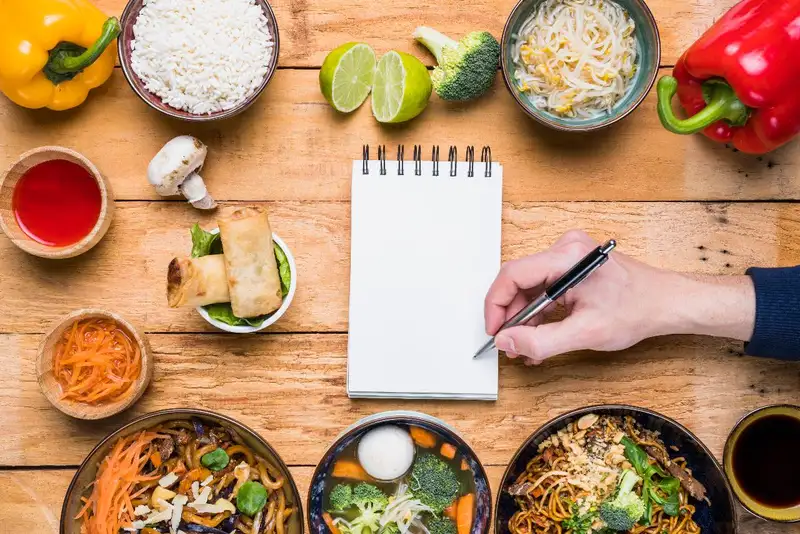
The first area these guidelines cover is receiving. Restaurants need to check deliveries for product quality, safe temperatures, intact packaging, expiration dates, and signs of contamination. From there, the focus moves to storage. This includes placing items in the correct locations, keeping raw foods separated from ready-to-eat foods, labeling and dating products, rotating stock using first in, first out methods, and maintaining safe refrigeration and freezer temperatures.
The next stage is preparation. This is where handwashing, glove use, sanitized tools, clean work surfaces, and allergen control become critical. Food handling guidelines also cover how food should be thawed, washed, cut, portioned, and assembled without creating contamination risks. Then comes cooking, cooling, reheating, and holding. These rules are heavily focused on time and temperature control because improper heating or cooling is one of the most common causes of food safety issues.
Food handling guidelines also include service and employee behavior. Staff need to know how to handle ready-to-eat foods safely, avoid bare-hand contact where prohibited, report illness, maintain hygiene, and follow cleaning and sanitizing routines. In simple terms, food handling guidelines cover the systems, habits, and controls that keep food safe from delivery to plate. For restaurant owners, understanding that full scope is the first step to managing it well.
Receiving and Storage Rules
1. Inspect every delivery before accepting it
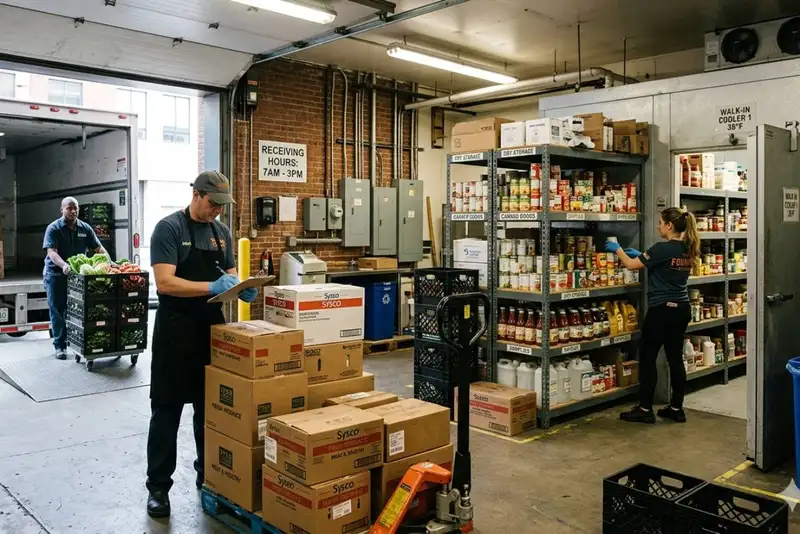
Receiving should never be treated like a routine drop-off with no review. Staff should check product temperatures, packaging condition, expiration or use-by dates, and overall quality before anything is put away. They should also look for signs of damage, contamination, thawing, leaking containers, or pest activity. If something arrives in poor condition, it should be rejected. Accepting questionable product creates risk immediately and can also increase waste and food cost.
2. Verify temperature-sensitive items right away
Perishable products need immediate attention when they arrive. Refrigerated and frozen foods should be checked quickly so staff can identify temperature problems before the items enter inventory. If dairy, meat, seafood, or other high-risk products arrive above safe temperature ranges, the issue should be addressed at the door, not discovered later during prep.
3. Store raw and ready-to-eat foods correctly
Proper separation is one of the most important storage rules. Raw animal products should be stored below ready-to-eat foods to reduce the risk of leaks or drips contaminating other items. Storage organization should make it easy for employees to follow this rule consistently, even during busy shifts.
4. Label, date, and rotate inventory consistently
Clear labeling and date marking help teams know what to use first, what is still safe, and what should be discarded. A first in, first out system helps reduce spoilage, control waste, and keep inventory moving in the right order. Without this discipline, food safety and food cost problems often increase together.
5. Keep storage areas clean, dry, and controlled
Dry storage should be organized, products should be kept off the floor, and food should be protected from moisture, damaged packaging, and pests. Chemicals must always be stored separately from food and food-contact items. These basic standards are essential because storage conditions directly affect both safety and product quality.
When food comes in safely and is stored properly, every step after that becomes easier to manage.
Elevate Food Safety, Simplify Compliance!
Experience Seamless Food Safety with Altametrics!
Safe Prep Practices to Prevent Cross-Contamination
1. Make handwashing a non-negotiable habit
Handwashing is one of the most basic food safety practices, but it is also one of the easiest for teams to rush through or skip during busy shifts. Employees should wash their hands at the right times, including before food prep, after handling raw products, after touching their face or phone, after using the restroom, and after any task that could contaminate their hands. Owners should treat handwashing as a routine control, not a reminder given only during inspections.
2. Use separate tools and surfaces for different food types
Cross-contamination often happens when the same cutting board, knife, container, or prep surface is used for multiple products without proper cleaning and sanitizing between tasks. Raw meat, poultry, and seafood should be kept separate from ready-to-eat foods such as produce, cooked proteins, sauces, and garnishes. Color-coded tools and clearly assigned prep areas can make this easier for employees to follow consistently.
3. Clean and sanitize throughout prep, not just after
A prep station may look clean and still be unsafe. Food-contact surfaces need to be cleaned and sanitized at the right times during the shift, especially when employees switch from one type of task to another. Wiping down surfaces without using the right cleaning and sanitizing process is not enough.
4. Build allergen awareness into daily prep
Food safety also includes preventing allergen exposure. Employees should understand ingredient risks, avoid shared utensils, and follow clear procedures when preparing food for guests with allergies.
Better prep discipline leads to safer food, fewer mistakes, and more consistent daily operations.
Cooking, Cooling, Reheating, and Holding Food Safely
1. Cook food to safe internal temperatures
Cooking is not just about appearance, texture, or speed. Food must reach the right internal temperature to reduce the risk of harmful bacteria surviving in the product. This is especially important for raw animal proteins such as poultry, ground meats, seafood, and eggs. Employees should use calibrated food thermometers instead of guessing based on color or cook time alone. Owners should make sure temperature checks are part of the normal cooking routine, not something done only when a manager is watching.
2. Cool hot food quickly and correctly
Cooling is one of the most common food safety problem areas in restaurants. When hot food is left out too long or cooled in large containers without proper methods, it can stay in unsafe temperature ranges for too much time. Using shallow pans, smaller portions, ice baths, blast chillers where available, and clear cooling procedures can help reduce this risk.
3. Reheat food with the same level of control
Reheating is another step where restaurants can become inconsistent. Food that was cooked and cooled safely still needs to be reheated properly before service. Warming food slowly on the line or leaving it in low heat too long can create unnecessary exposure to unsafe temperatures.
4. Maintain safe hot and cold holding throughout service
Once food is ready, it still needs to be protected. Hot foods must stay hot, cold foods must stay cold, and both need regular monitoring during service. Holding equipment should be checked regularly, and staff should know when food has been in place too long.
For restaurant owners, strong temperature control is not just a kitchen rule. It is one of the clearest ways to protect guests, reduce risk, and keep food safety standards consistent every day.
Employee Training and Manager Accountability
1. Train employees on the tasks they actually perform
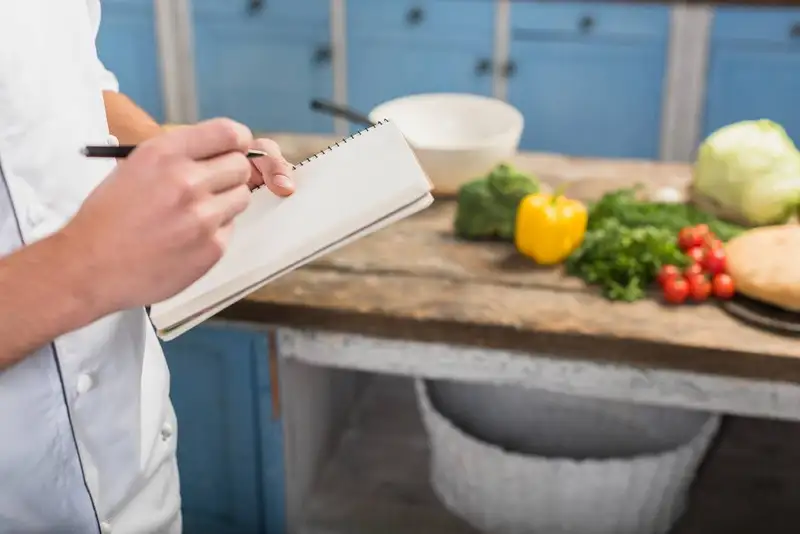
Food safety training should be practical and role-based. Prep cooks need to understand cross-contamination, safe thawing, labeling, and cooling procedures. Line cooks need to know cooking temperatures, hot holding rules, and thermometer use. Front-of-house staff may need training on allergens, glove use, and safe handling of ready-to-eat items. When training is tied directly to what employees do each shift, it becomes easier to remember and apply.
2. Make refreshers part of the routine
One training session is not enough. Employees forget details, develop shortcuts, or pick up bad habits from others over time. Short refreshers during pre-shift meetings, weekly check-ins, or manager line walks help keep food safety expectations active. This is especially important in restaurants with high turnover, where new employees are regularly entering the workflow.
3. Hold managers responsible for verification
Managers play a critical role because they turn standards into daily behavior. They should be checking temperatures, reviewing date labels, watching handwashing practices, confirming sanitizing procedures, and correcting mistakes in the moment. If managers treat food safety as optional or only focus on speed, the rest of the team will follow that example.
4. Reinforce hygiene and illness reporting
Employees need clear rules around personal hygiene, uniforms, handwashing, and when to report symptoms of illness. Owners should make sure these expectations are clear, supported, and consistently enforced.
When employees know what is expected and managers verify it daily, food handling guidelines become part of the culture instead of just a document.
Create, Implement, and Execute Multiple Daily Checklists
Streamline Your Operations with Altametrics
The Most Common Food Handling Mistakes
1. Improper handwashing and glove use
One of the most common mistakes is assuming gloves replace handwashing. They do not. Employees still need to wash their hands before putting gloves on and after changing tasks. Gloves also need to be changed when they become contaminated. Touching raw product, equipment, phones, aprons, or the face and then continuing food prep without proper hand hygiene is a common failure point.
2. Cross-contamination during prep and storage
Using the same tools, cutting boards, or prep areas for raw and ready-to-eat foods without proper cleaning and sanitizing is a major risk. Storing raw animal products above sauces, produce, or cooked foods is another frequent mistake. These issues often happen when kitchens move too fast without following station discipline.
3. Poor temperature control
Restaurants often run into trouble when food is cooked without temperature checks, cooled too slowly, reheated incorrectly, or held outside safe ranges for too long. Relying on guesswork instead of thermometers is one of the simplest but most damaging errors.
4. Weak labeling and date marking practices
Unlabeled containers, missing prep dates, and inconsistent rotation make it harder for teams to know what is safe to use. This increases both food safety risk and product waste.
5. Inconsistent cleaning and sanitizing
Wiping a surface is not the same as cleaning and sanitizing it correctly. When sanitizer strength is wrong or food-contact surfaces are not treated between tasks, contamination can spread easily.
For restaurant owners, these mistakes matter because they are preventable. The goal is building daily habits that catch common risks before they become bigger problems.
Turn Food Handling Guidelines Into Daily SOPs
1. Build SOPs around the flow of daily work
The most effective food safety SOPs follow the normal rhythm of the operation. Instead of creating one broad document that employees rarely read, owners should break procedures into key moments such as receiving deliveries, storing product, opening prep stations, cooking, cooling, reheating, holding, cleaning, and closing. This makes food safety easier to apply because the standards are tied directly to the tasks employees perform each day.
2. Use checklists to create consistency
Checklists help teams remember the details that often get missed when the kitchen is busy. Opening line checks, refrigeration temperature logs, sanitizer checks, date label reviews, cooling logs, and closing cleaning checklists all help create structure. These tools are especially useful because they make food safety visible and easier for managers to verify in real time.
3. Assign ownership to managers and team leads
Food safety becomes more consistent when someone is clearly responsible for checking it. Managers and shift leads should know which logs they review, which stations they inspect, and what corrective actions they are expected to take. Without clear ownership, even good SOPs tend to become inconsistent.
4. Keep procedures simple enough to follow under pressure
If an SOP is too long, too vague, or too hard to use during a rush, employees will stop relying on it. Strong SOPs are clear, practical, and built for real operating conditions.
When SOPs are simple, visible, and manager-supported, food safety becomes easier to maintain across every shift.
Empower Your Workforce!
Ensure Compliance with Altametrics!
Frequently
Asked Questions
What should restaurant staff check when receiving deliveries?
How can restaurant owners make food handling guidelines easier to follow?
How can restaurants reduce cross-contamination risk during prep?
What does cross-contamination mean in a restaurant?
Must-Read Content
The Ultimate Guide to Managing Food Allergens in Restaurants
Food allergens require accurate labeling, employee training, cross-contact prevention, safe food handling, and consistent procedures to protect customers and improve restaurant safety.
The Most Common Restaurant Health Code Violations
Identify health code violations across major restaurant operations and learn how consistent inspections, training, sanitation, and documentation can reduce risks.
The Complete Guide to OSHA Regulations for Restaurants
This guide explains essential OSHA regulations for restaurants, covering safety hazards, training, hazard communication, PPE, and recordkeeping requirements for owners.