What tools are commonly used for restaurant reporting?
Restaurant owners often use POS reporting, labor management software, inventory systems, accounting platforms, and dashboard tools. The best setup is one that makes it easy to see key numbers together instead of in separate systems.
Restaurant Reporting Metrics Owners Should Watch During Recovery

The Importance of Restaurant Reporting
Recovery is one of the hardest periods for a restaurant owner to manage because the business may look better on the surface before it is actually stable underneath. Sales may start climbing again, but that does not always mean the restaurant has fully recovered. Guest traffic can remain uneven. Labor costs can rise faster than revenue. Food costs can drift upward because of waste, price increases, or poor ordering decisions. This is why restaurant reporting becomes more important during recovery than during more predictable periods. It gives owners a way to measure what is really happening instead of relying on instinct alone.
In a recovery period, small changes matter more. A few stronger weekends can make sales look encouraging, but if weekday traffic is still weak, the business may not be as healthy as it seems. A restaurant may also bring in more revenue while losing margin because payroll, overtime, or cost of goods sold are increasing too quickly. Without clear reporting, it is easy to mistake movement for progress. That is a risk many owners cannot afford when they are trying to rebuild consistency, protect cash flow, and make smarter operating decisions.
The value of restaurant reporting is that it helps turn scattered numbers into patterns. Instead of asking, "Are we doing better?" owners can ask more useful questions. Are sales improving week over week? Are guest counts returning, or are the same customers simply spending more? Is labor aligned with demand? Is prime cost moving in the right direction? These questions matter because recovery is not just about producing sales. It is about rebuilding a business that is efficient, sustainable, and financially healthy.
Sales Trends
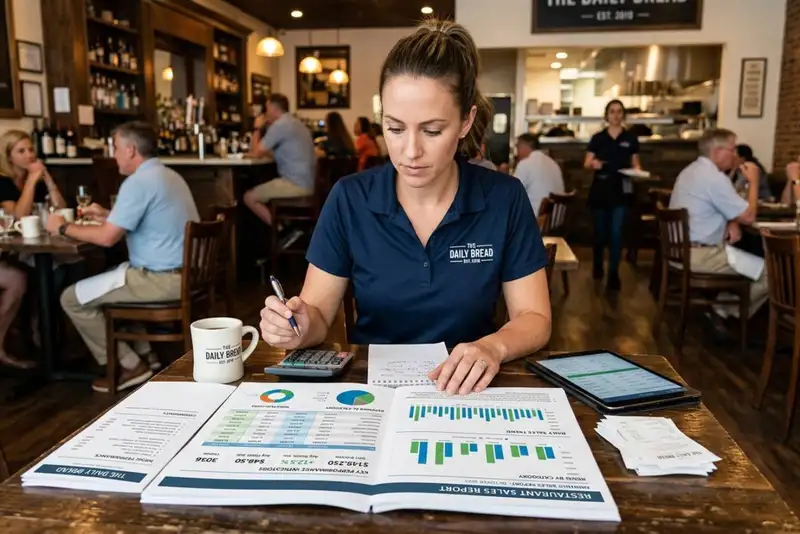
Sales trends are often the first sign that a restaurant is starting to recover, but they need to be read carefully. A single strong day or one busy weekend can feel encouraging, yet recovery is not built on isolated wins. It is built on consistency. That is why restaurant owners need to look beyond one sales number and focus on how revenue is moving over time. Strong reporting helps owners understand whether the business is truly stabilizing or simply experiencing short-term spikes.
1. Sales trends - During recovery, total sales can improve before the business is actually stable. Owners may see a temporary jump from a holiday weekend, a promotion, or a local event, but that does not always mean demand has returned in a lasting way. Tracking sales trends across multiple weeks and months helps reveal whether growth is becoming more consistent. The real question is not whether sales were good on one day. The real question is whether the restaurant is building a pattern of stronger performance that can support better planning.
2. Looking at sales over time - Daily sales numbers are useful, but they can also be misleading when viewed alone. A better approach is to compare sales by day, week, month, and even year when the comparison makes sense. Week-over-week reporting helps owners see short-term movement. Month-over-month reporting shows whether momentum is building. Year-over-year reporting can add more context, especially when seasonal patterns matter. These views help owners measure direction instead of reacting to every high or low point.
3. Total sales - A rise in revenue is important, but owners also need to understand what is driving that increase. If total sales are up because average check size has grown, that means one thing. If sales are up because more guests are visiting, that means something else. Owners should review sales alongside transaction count, average check, and daypart performance. This helps answer practical questions. Are more customers returning? Are guests spending more per visit? Is lunch still lagging behind dinner? These details matter because they shape staffing, prep, inventory, and marketing decisions.
4. Better operating decisions - When owners understand their sales patterns, they can make better choices across the business. If weekday sales remain weak, staffing levels may need to stay tighter during those shifts. If weekends are consistently improving, inventory and labor can be adjusted to support demand without overspending during slower periods. Reporting helps owners act based on evidence rather than instinct. That is especially important during recovery, when margins are tighter and mistakes are more costly.
5. Sales reporting - Recovery periods often come with uneven demand, which makes it easy to overreact. One slow day can feel discouraging, and one strong shift can create false confidence. Sales trend reporting helps owners avoid both extremes. It filters out some of the daily noise and makes the bigger direction easier to see. That clarity is what helps owners decide whether the business is truly moving forward or still operating on unstable ground.
Sales trends matter because they are usually the first visible signal that recovery may be underway. But for that signal to be useful, owners need to study it in context. The goal is not just to see higher sales. The goal is to understand whether those sales reflect a healthier, more dependable business.

Guest Counts and Traffic Patterns
Sales growth can look encouraging during recovery, but it does not always mean guest demand is fully returning. That is why restaurant owners need to watch guest counts and traffic patterns alongside revenue. Sales can rise because menu prices increased, because guests are spending more per visit, or because a few high-ticket transactions lifted the average. None of those signals clearly answer the most important recovery question - are more people actually coming back? Guest count reporting helps answer that directly.
1. Guest counts - Guest count is one of the clearest indicators of whether demand is returning to the business. If sales are improving but guest counts remain flat, recovery may be coming from pricing or check growth rather than stronger traffic. That is not necessarily a bad thing, but it tells a different story. A restaurant that is serving more guests is rebuilding volume. A restaurant that is generating more revenue from the same number of guests may still be dealing with demand limits. Owners need to know which situation they are in before making decisions about labor, inventory, or expansion.
2. Traffic patterns - It is not enough to know total guest count for the week. Owners should also look at when those guests are coming in. Traffic reports by daypart, weekday versus weekend, and hour of day can reveal important recovery patterns. For example, dinner traffic may be coming back faster than lunch. Weekends may be strong while Mondays and Tuesdays remain soft. Late-night demand may have dropped while early evening traffic has improved. These patterns help owners see where recovery is happening and where it is still fragile.
3. Traffic reporting - Guest traffic patterns have a direct effect on labor planning. If the restaurant is still scheduling based on old demand assumptions, labor costs can rise quickly. On the other hand, if traffic starts building and staffing does not adjust, service can suffer. Guest count and traffic reports help owners match labor to actual demand. They also help improve prep levels, ordering, and shift coverage. In recovery, this matters because overstaffing wastes money and understaffing can hurt the guest experience at the exact moment the business needs consistency.
4. Quality of recovery - A healthy recovery is not just about higher revenue. It is about rebuilding a reliable customer base. When guest counts rise steadily over time, owners gain stronger evidence that demand is returning in a sustainable way. When traffic remains unpredictable, it becomes harder to plan with confidence. That is why guest count reporting is so important. It helps owners measure whether recovery is broad-based, repeatable, and strong enough to support the next set of business decisions.
Guest count and traffic reporting give owners a clearer picture of what sales alone cannot explain. They show whether more guests are returning, when demand is strongest, and how operating decisions should change in response. During recovery, that visibility is essential because the business does not just need more revenue. It needs dependable demand that can support long-term stability.
Labor Cost Percentage
Labor cost percentage is one of the most important metrics restaurant owners should watch during recovery because it shows whether staffing levels are aligned with actual business performance. During a recovery period, labor can become difficult to manage. Demand may improve, but not evenly. Some shifts may get stronger while others remain soft. Owners may schedule too aggressively in anticipation of growth or cut too deeply and hurt service quality. That is why labor cost percentage matters. It helps owners see whether labor is supporting recovery or quietly damaging it.
1. Labor cost percentage - Looking at payroll alone does not tell owners enough. A restaurant may spend the same amount on labor two different weeks, but the impact can be very different depending on sales. Labor cost percentage solves that problem by measuring labor as a share of revenue. This gives owners a more accurate picture of whether staffing is sustainable. If labor cost keeps rising faster than sales, margins become tighter even when the business appears to be improving. During recovery, this is a common problem because sales often return in an uneven way while staffing decisions may still be based on guesswork.
2. Overstaff or understaff - Many restaurants recover in waves rather than in a straight line. Weekends may return before weekdays. Dinner may recover faster than lunch. Special events or promotions may temporarily increase demand and create the illusion of stable growth. In that environment, it is easy to put too many people on the schedule and drive labor costs too high. It is just as easy to understaff and create long ticket times, poor service, and burnout for the team. Labor cost reporting helps owners identify where scheduling is too heavy, where coverage is too thin, and where adjustments are needed.
3. Labor reporting - Labor cost percentage is important, but it becomes more useful when combined with related labor reports. Owners should also review total hours worked, overtime, sales per labor hour, and labor by daypart or job role. These reports help explain why labor cost is moving. For example, a labor percentage increase could come from weak sales, too many scheduled hours, rising wages, poor shift planning, or excessive overtime. Without that deeper reporting, owners may know there is a problem but not know where it is coming from.
4. Better recovery decisions - When owners understand labor performance clearly, they can make better decisions across the operation. They can adjust scheduling to match traffic patterns, reduce unnecessary overtime, and protect service quality during stronger shifts. They can also identify whether management coverage, front-of-house staffing, or kitchen labor is out of balance. This matters because labor is often one of the largest controllable costs in a restaurant. During recovery, controlling it carefully can make the difference between rebuilding profit and simply rebuilding sales volume without healthy margins.
Labor cost percentage is not just a payroll metric. It is a recovery metric. It tells owners whether the restaurant is staffing wisely for the level of demand that actually exists. When labor reporting is reviewed consistently and in context, it gives owners a better chance to grow sales without letting labor costs erase the gains.
Prime Cost
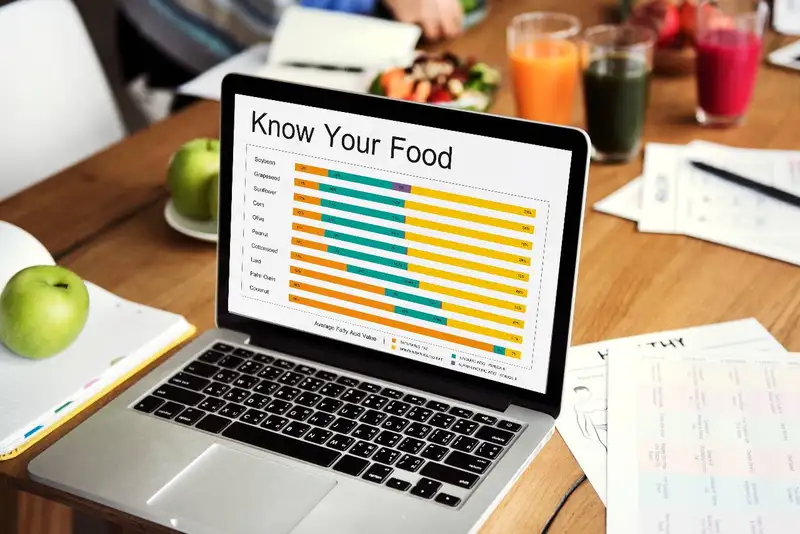
Prime cost is one of the most important restaurant reporting metrics to watch during recovery because it brings together the two largest controllable expenses in the business- labor and cost of goods sold. In simple terms, prime cost shows how much of a restaurant's revenue is being consumed by payroll and product cost. That makes it one of the clearest measures of whether recovery is actually improving the health of the business or only increasing activity without strengthening margins.
1. Broader view than sales alone - Sales growth is important during recovery, but sales by themselves can create a false sense of progress. A restaurant can bring in more revenue and still struggle financially if labor costs rise too quickly or food and beverage costs remain too high. Prime cost helps owners avoid that mistake by showing whether revenue growth is being supported by cost control. It answers a more useful question than "Are sales up?" It asks, "Are we keeping enough of those sales after covering our biggest operating costs?"
2. Labor cost and cost of goods - Prime cost is typically calculated by adding total labor cost and total cost of goods sold, then comparing that number to total sales. This matters because labor and product costs do not operate separately in the real world. They affect each other every day. A restaurant may improve service by adding staff, but if sales do not justify the increase, labor can eat into profit. A restaurant may keep labor under control, but if waste, theft, over-portioning, or supplier cost increases push food cost higher, margins still suffer. Prime cost gives owners one number that reflects how well the business is managing both sides of that equation.
During recovery, restaurants often face rising demand with unstable cost conditions. Sales may improve, but staffing levels may need to adjust quickly. At the same time, food prices may remain volatile, ordering may become less predictable, and waste can increase if guest traffic is inconsistent. This is exactly why prime cost reporting is so valuable. It helps owners see whether the business is recovering in a balanced way or whether cost pressure is offsetting the benefits of stronger sales. A restaurant that ignores prime cost may mistake higher revenue for stronger performance when actual profitability is still weak.
3. Better operational tradeoffs - Prime cost is useful because it supports real decision-making. If prime cost rises, owners can dig deeper to see whether the issue is labor, food cost, or both. That leads to more targeted actions. They may need to tighten scheduling, improve portion control, renegotiate purchasing, reduce waste, adjust menu pricing, or review menu mix. Without prime cost reporting, those decisions are often made in isolation. With it, owners can see how each choice affects the business as a whole.
A restaurant is not truly recovering just because it is busier. It is recovering when it can handle returning demand without letting major costs grow out of control. Prime cost helps owners measure that balance. It reveals whether the operation is becoming more efficient, more disciplined, and more financially stable over time. That is what makes it one of the most important metrics in restaurant reporting.

Food and Inventory Reporting
During recovery, food and inventory reporting becomes especially important because rising sales do not automatically mean better cost control. In fact, recovery can create new inventory problems if owners are not watching the numbers closely. As demand begins to return, many restaurants increase purchasing to prepare for higher volume. But when traffic is still uneven, that can lead to overordering, excess stock, spoilage, and waste. This is why food and inventory reports matter so much. They help owners make sure the business is not losing margin behind the scenes while trying to rebuild revenue.
1. Food cost reporting - Food cost percentage remains one of the most important recovery metrics because it shows how much of food sales are being consumed by product cost. If food cost starts climbing, owners need to know why. The cause may be higher supplier prices, poor portion control, recipe inconsistency, waste, theft, or weak menu pricing. During recovery, these issues can become harder to spot because stronger sales may temporarily hide them. Reporting helps owners see whether the kitchen is operating efficiently or whether product cost is rising faster than the business can absorb.
2. Inventory reporting - Recovery often creates uncertainty in ordering. Owners may expect guest traffic to keep improving, but demand can still fluctuate by shift, daypart, or week. When purchasing decisions are based on optimism instead of reporting, the result is often too much stock on hand. Inventory reports help owners compare usage patterns, on-hand stock, and purchasing trends so they can order more accurately. This matters because cash tied up in excess inventory is cash that cannot be used elsewhere in the business. During recovery, protecting cash flow is just as important as rebuilding sales.
3. Waste and variance reports - One of the biggest risks during recovery is assuming that higher sales will solve cost problems on their own. In reality, waste and inventory variance can quietly drain profit even when revenue is moving up. Waste reports show whether product is being lost through spoilage, overproduction, prep mistakes, or improper storage. Variance reports help owners identify gaps between what inventory records say should be on hand and what is actually there. These reports are valuable because they reveal problems that are easy to miss in day-to-day operations but expensive over time.
4. Inventory data - Food and inventory reporting also helps owners make smarter operational choices. If certain items are generating repeated waste, that may point to weak menu demand, oversized prep levels, or poor forecasting. If ingredient usage is rising faster than sales, that may signal portioning issues or recipe inconsistency. Owners can use this information to tighten prep planning, adjust pars, review menu mix, and improve purchasing discipline. During recovery, these small adjustments can have a major effect on margin.
Food and inventory reporting matters because recovery is not only about bringing guests back. It is also about rebuilding control over the cost structure of the business. When owners track food cost, inventory usage, waste, and variance consistently, they gain a more accurate view of whether the restaurant is recovering profitably or simply getting busier while product costs drift upward.
Profitability Reports
During recovery, higher sales can feel like the clearest sign that the restaurant is moving in the right direction. But sales growth alone does not guarantee that the business is becoming healthier. A restaurant can sell more, serve more guests, and still struggle financially if costs are rising too fast or margins remain too thin. That is why profitability reports matter. They help owners move beyond top-line revenue and focus on whether the business is actually rebuilding its financial strength.
1. Profitability reports - Sales reports answer an important question- how much revenue came in. Profitability reports answer a more important one during recovery- how much of that revenue the business is actually keeping. If payroll, food costs, operating expenses, discounts, or waste increase alongside sales, the restaurant may look busier without becoming more profitable. Profitability reporting helps owners avoid confusing activity with improvement. It shows whether stronger sales are translating into healthier margins or whether the gains are being consumed by rising costs.
2. Gross profit - Gross profit helps owners understand what remains after direct costs, especially cost of goods sold, are taken out of revenue. This makes it a useful starting point when evaluating recovery. If sales are increasing but gross profit is not improving at the same pace, that can signal product cost problems, pricing issues, or unfavorable menu mix. For example, a restaurant may be selling more lower-margin items or may be absorbing supplier cost increases without adjusting menu prices. Gross profit reporting helps owners see whether the sales they are generating are strong enough to support the rest of the business.
3. Operating profit - Recovery is not just about covering food and labor. It is also about supporting rent, utilities, insurance, software, maintenance, management salaries, and other operating expenses. That is why operating profit matters. This report shows whether the restaurant can handle its broader cost structure while demand returns. A restaurant may improve sales and still remain financially fragile if controllable and fixed expenses are not being managed carefully. Watching operating profit helps owners understand whether the business is becoming stable enough to sustain itself, not just survive one more month.
4. Profitability reports - When profitability starts to improve, owners gain confidence that their recovery strategy is working. When it does not, reporting helps show where action is needed. The issue may be pricing, labor efficiency, menu engineering, purchasing discipline, discounting, or overhead spending. Profitability reports make those conversations more grounded because they connect daily operations to financial outcomes. Instead of reacting based on assumptions, owners can make targeted decisions that improve margin without losing sight of guest demand.
Many restaurants go through recovery periods where momentum looks strong on the surface. The dining room feels busier, the sales numbers look better, and the team feels encouraged. But if margin does not improve, the business may still be under pressure. True recovery means the restaurant is not only generating more revenue, but also keeping enough of it to rebuild cash flow, cover obligations, and operate with more stability. That is why profitability reporting is essential.
In the end, profitability reports tell owners whether recovery is actually rebuilding the business or simply increasing workload without improving financial health. Sales matter, but profit is what gives recovery staying power.

Capture Every Punch with Precision
Elevate Your Hospitality Operations with Altametrics
Inventory management
How to Conduct a Food Waste Audit in Your Restaurant

Software integration
Smart Ways to Use AI in Your Restaurant

Employee scheduling
Employee Time Tracking Tips for Restaurants
Employee scheduling
7 Scheduling Mistakes Restaurant Owners Should Stop Making

Employee scheduling
Human Resource Management for Restaurants
Employee scheduling
Common Payroll Challenges in Restaurants

Sales forecasting
How to Use Restaurant Analytics to Improve Profitability

Restaurant management
The Complete Guide to Restaurant Reputation Management

Accounting payroll
Restaurant Cash Handling Procedures

Frequently Asked Questions
How does food cost reporting help during recovery?
Food cost reporting helps owners see whether product spending is staying under control. During recovery, poor ordering, waste, spoilage, or portion inconsistency can quietly reduce profit even when sales are improving.
What does a traffic pattern report usually show?
A traffic pattern report typically shows when guests are coming in by hour, shift, daypart, weekday, or weekend. This helps owners identify peak periods, weak demand windows, and scheduling opportunities that can improve service and cost control.
What is the labor cost percentage?
Labor cost percentage measures labor expenses as a share of sales. It helps owners understand whether staffing levels are appropriate for current business volume. This is especially important during recovery, when demand may still be inconsistent.
How does restaurant reporting support better forecasting?
Reporting supports forecasting by showing patterns over time. Owners can use past and current sales, guest counts, labor trends, and product usage to estimate future demand more accurately, which improves planning for scheduling, purchasing, and budgeting.